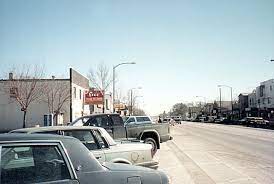
I landed in Beausejour, a timid, remote French town in rural northern Manitoba, in April of 2022. A town where the inhabitants were settlers from the 1950s, and most of the houses were old, picturesque, and French, like those from back in the 50s when the town was established first for the purpose of the Korean War.
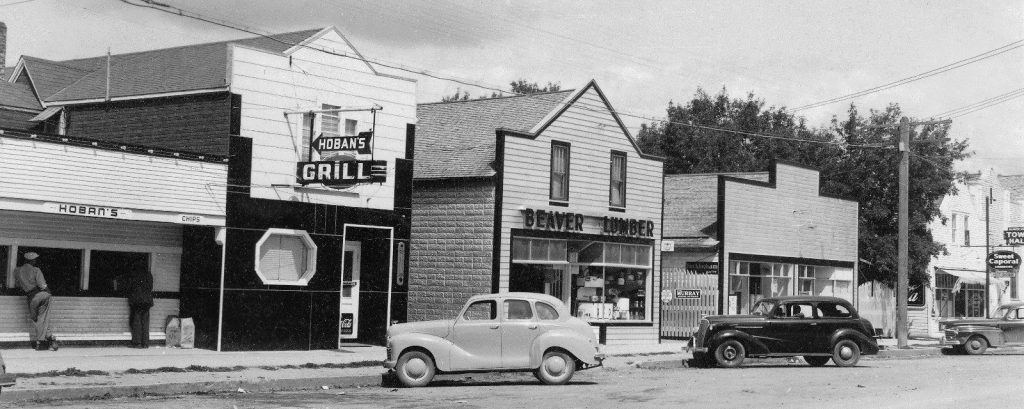
The town holding antique car shows from the 50s
My home in Beausejour – a 2 bedroom, established in the 1950s, an extremely cozy country home with a massive backyard and a detached garage. The back deck overshadowed by a massive tree, underneath which I hooked up a bird feeder for the squirrels and the birds. The home was sold to my landlord by my 84-year-old Polish veteran neighbor who spoke 4 languages – Ukrainian, Polish, German, and English. An incredible man who became my friend, taught me how to do crossword puzzles, built me a personal birdhouse for my massive yard, taught me Low German, and gave me a Ukrainian book. My other neighbor was the town mayor – who constantly mowed my lawn whenever he mowed his own yard – an absolute gentleman who did all this completely unasked.
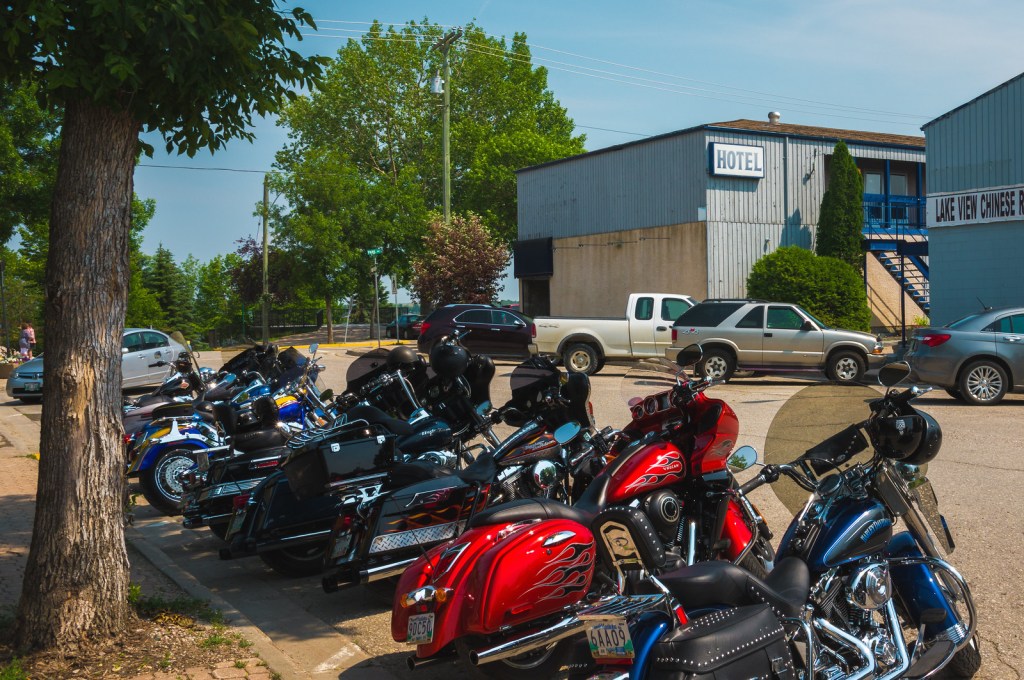
Annual bike and antique car show in town
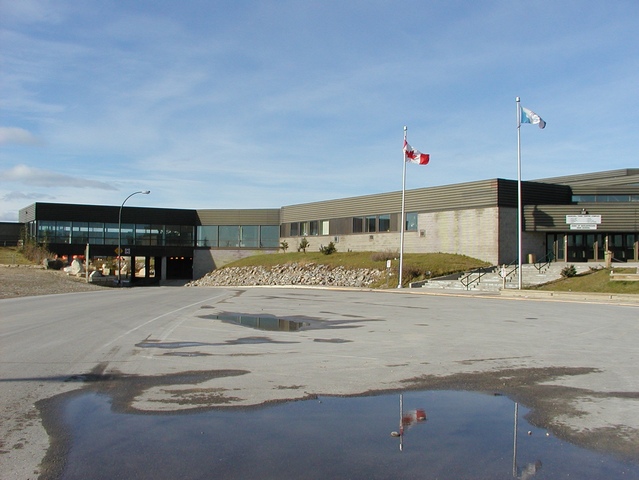
My job in Beausejour was to be the employee of the only government building in town, which was the main employer of most of the individuals who migrated into town. The rural northern provincial building – a massive beast set in the 1970s, with basement mazes underneath it and housing multiple antagonistic yet “we live together” government departments within its premises, such as Justice, Families, Wildlife Conservation (a big one for Canada), Probation, Employment Income, and the Police. A creepy, mysterious maze lingered underneath the old provincial building, and to discourage clients from getting lost in the maze, staff put out tapes on the floor directing people to their way out in case they thought they were about to encounter the Minotaur.
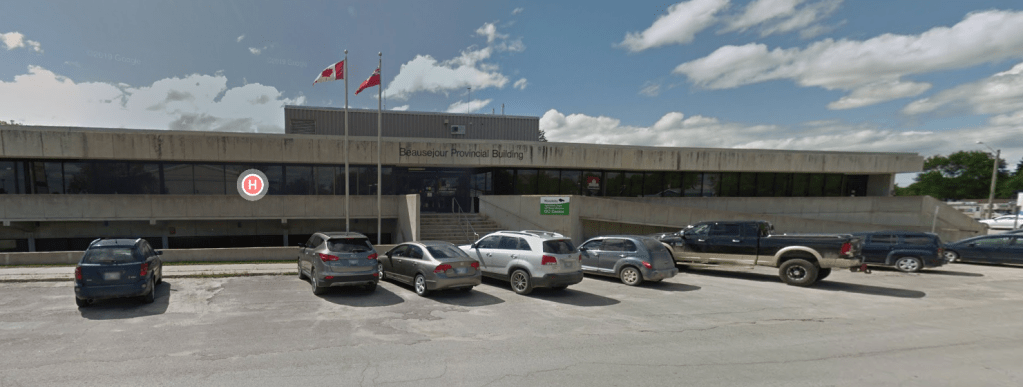
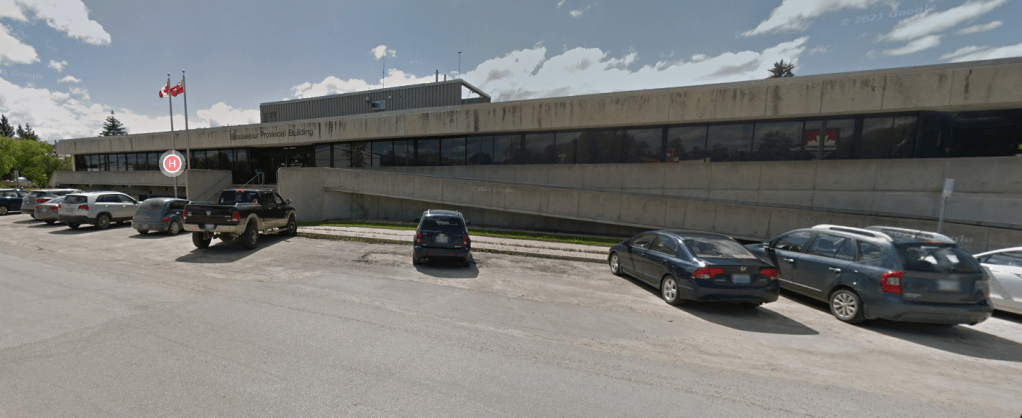
The rural north provincial building. A google street view. My office on the left wing basement on the other end of the canadian flag. The administrative officer of the building is Edwin Greenberg who welcomed me on my day 1 (the son of Dave Greenberg the founding father of Manitoba’s foster care system)
For most unfamiliar – the Canadian government is such a beast and so rabid about its employees’ health and well-being that if you complain about “mold” in the building (I was guilty of complaining but was not the cause of the actual reconstruction) – the government will go on a psychotic drug-induced haze of a million-dollar “reconstruction” project lasting about 8 months where it will tear down the entire left wing of the building and rebuild it once again. This may sound like hyper-effort for something like “mold,” but it did occur. Unfortunately, when I came around after the massive reconstruction phase (unaware that it had already taken place) – I again complained about “mold” in the building…. I was told to be patient now as those massive “drillers” outside were for the purpose of “getting rid of the mold,” and the building manager was astounded yet firm as “we were all in this together” now – the fight against the mold.
Beausejour being a French town – the energy of the town was cozy, neighbourly, a town where everyone knew everyone. This was a far cry from the German town Steinbach near it which housed me previously for the Southeast Manitoba government. The rivalry between the French and the Germans and their antagonistic cultures is apparent even in the Canadian prairies where German towns have been established post WW2 in the southeast and French towns take up the area in the rural north. The German towns (Steinbach, one of which I was employed previously with) have an incredibly different air of coldness, indifference, aloofness, reservedness and an overall “not much to do with you” vibe. The French town (like Beausejour) is an opposition in culture, behaviour and warmth levels – consider them nosy, warm, chatty and fluttery in behaviour. For a person like me from India, I would liken the comparison of Beausejour to very much being in an Indian neighborhood with almost everybody in everybody’s business – all the time. This was never the case in a German town – where even your daddy’s business was not your business and appointments are required for dinners with parents (being mindful of the parents’ time, age and energy). How these two countries came to be actual neighbors is a historical conundrum in itself.
My new arrival in Beausejour as the only person of color and an employee of the government quickly became well known and attracted immense curiosity and joy from the local natives. People wanted to know who the new “import” in town was and what the historical background was. All kinds of rumors swirled about the ethnicity of the new import – from half Italian, Indian, half Spaniard to a South American Ecuadorian, exemplifying the lack of connectivity of the local French population to the gentry living across the ocean.
The thing about small towns is that you don’t need to make too much effort “to make friends” – you are friends by virtue of being an inhabitant of the small town – as long as you act like you live in the small town. My 84-year-old neighbor was the first to introduce himself on the first day of my moving in; he reared the spare tires of my car and put them in the garage aptly without being asked. So began our friendship lasting a good 2.5 years, during which I had the privilege of barging into his home unasked, and he helped me around with the town gossip and also minor construction materials.
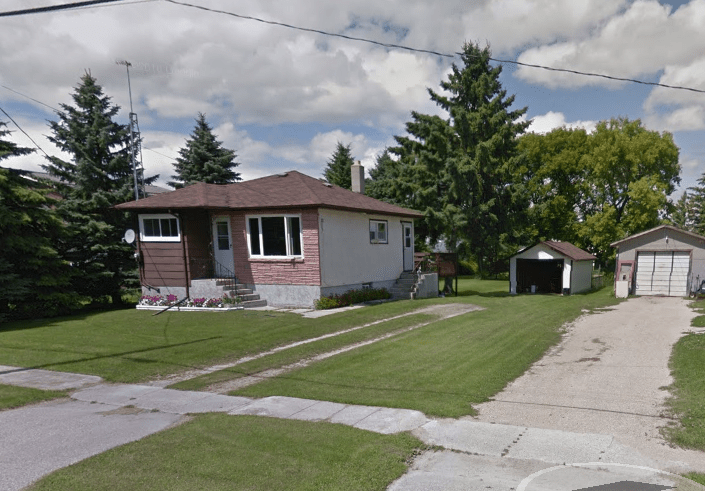
My home, a redone and maintained 1950’s French construction with an old geyser in the basement and handmade wooden hangers from the 50s’. Appropriate area for a bonfire used mostly in the summer time right in the backyard.
My workplace was a 5-minute walking distance from my beautiful home. The home, a sprawling 1950s construction, had lots of green yard around it and a back deck with a barbecue on board. Fortunately, the landlord took care of snow shoveling and also grass mowing of the massive area during both winters and summers. My routine consisted of getting inside my Lexus in the early morning hours and driving to the only coffee shop in town – Tim Hortons – and ordering a large coffee with 2 creamers. Sometimes I grabbed a few more cups for colleagues. Tim Hortons is Canada’s answer to America’s Starbucks, and for the unacquainted, it is better tasting coffee than Starbucks and seems to fuel every Canadian’s morning blood circulation to face the blasting winter outside…
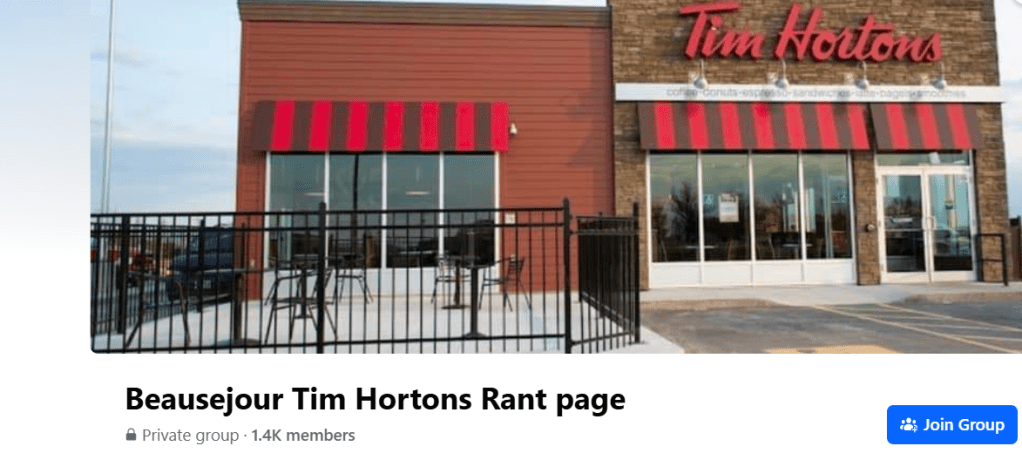
For the outsiders, let me mention that the service in this particular Beausejour Tim Hortons was so bad that the locals dedicated an entire private “Tim Hortons Rant Page” to bashing the local Tim Hortons shop. Complaints encompassed all kinds of things – and the staff appeared to take revenge by drawing weird faces on cookies that were supposed to be smiling cookies.

Needless to say, once I settled in – I too was welcomed with arms wide open into the town’s private rant page. A loving and growing community of about 1.4k town ranters. Must I disclose more? What happens in a small town stays in a small town..
Town politics aside, I was welcomed at work by the administrative officer of the building, Edwin Greenberg (the son of David Greenberg – the founding father of Manitoba’s foster care system), and the leading practice specialist, who showed me around the old, maze-like Provincial building and also conducted the orientation at work after transitioning to the rural north area. I would be in charge of the Pine Falls office now, another remote town up north with a massive indigenous population of Cree/Metis and Anishinaabe. Keys were provided for the office up north in Pine Falls, which would take up my Tuesdays and Thursdays. My year would include occasional flights to Churchill, the polar bear capital of the world, up in the northern terrains, where the only inhabitants were the native populations of First Nation individuals of Canada and occasional tourists who flew in to witness beluga whales and polar bears. “Here are your keys for the Pine Falls office, this is your laptop, and this is your cell phone, and here is the code for the Pine Falls office along with your keycard and your ID card,” said the leading practice specialist.
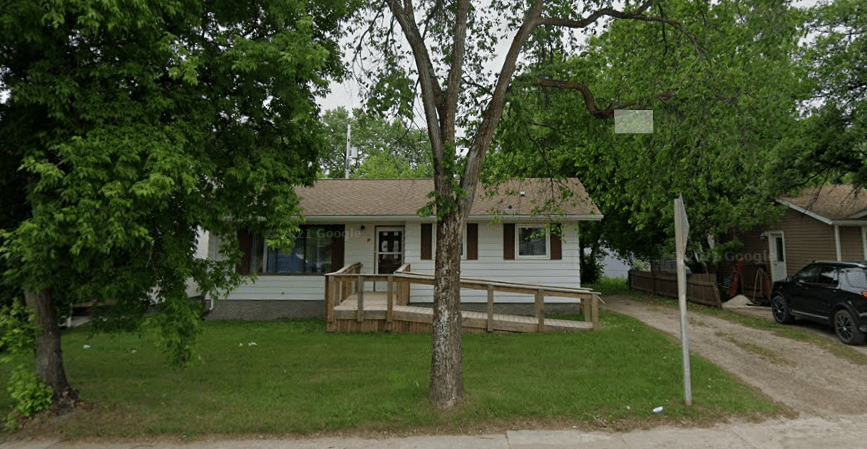
The above is not a random “house”. It is a house bought by the province of Manitoba and converted into an office for the town of Pine falls. The “house” is equipped with first grade security equipment to protect data privacy and call in the cops incase there is a break-in within an astounding 5 minute window. The town being very remote and not having access to any normalized large buildings , this was the only option for the province. My sitting place for every Tuesday and Thursday.
The town center of the province for Churchill Manitoba, the polar bear capital of the world.
I took the keys, thanked “Dave” or “Davie Berry” as we liked to call him, and ended my first day at the office. Back in my new home, lying in bed, I reflected. So here’s my journey – born in Ranchi, India, a remote town. I grew up in the remote mountains in the north in another small town. I did some schooling, completed an engineering degree, moved to Canada, changed my stream, and got employed by the government of Canada. Tumbled to a German town and then onto a French town. Here I am in rural north Canada, the only person of color in a small 1950s French town, the only woman of color to work in Churchill on behalf of the government, about 65,000 miles away from home (a town accessible only by railroad and charter planes and plunging to -50) and handling a position of another remote town, Pine Falls. Working with the First Nations community of Canada (a community and culture I knew nothing about) – there were too many “I know nothing abouts” and “first time arounds” here – the French, the Germans, the First Nation Cree/Metis/Anishinabee, – and me. It doesn’t sound or feel so different, does it? – why? In a way, it does – in a way, it doesn’t. I dropped the schema in my brain and realized I never really even think about these things – it makes me surprisingly simple-minded and also incredibly adaptable, almost malleable as that of a slice of tin.

 BeyondTheMargins
Leave a comment