Im a newbie homebuddy, back to India, after 10+ yrs in Canada serving the northern territories and being one of the only Indian females to be in this role. Using this blog to share the experiences of the dramatic differences of temperatures, terrains, people and climates
FYI this blog has no use of AI. This work is my own, no stealing of original content. thanks
“Success is born out of arrogance, but greatness comes from humility” – Marco Peirre White
I have this strange penchant in me, a penchant that likes adventure and exploration. Ever since the province positioned me in Churchill the polar bear capital of the world, i developed an addiction. An addiction that doesn’t like comfort, seeks adrenaline in -30 degrees, seeks physical activity and energy, be it winter sports, water sports, running, or exploration of remote locations that not many people have been to. No wonder immigration suits me. I like the idea of people overstepping boundaries, leaving their comfort zones, stepping into lands unknown and integrating with the unknown, saying yes to new things with eyes full of curiosity and intrigue. Sometimes in life you know you like adventure, but you just don’t know how dominant that part of you is until you go all out exploring and then you discover that you would rather have worked for Nat Geo and done just fine …
The Island is a highly protected UNESCO biosphere reserve off the coast of the country (location and name undisclosed), so we’ll just call it ‘the island’. It is known for its coral reef reserves and sea life and remains cut off from the rest of the world, residing in the southern hemisphere of the world. It’s a perfect and coveted spot for scuba diving, snorkeling, shark exploration, and the exploration of rare sea life. It resides about 40 nautical miles from the mainland, and just one speedboat at 8 am every morning makes its way to the island. Oftentimes, if you miss the speedboat due to the weather, you are likely not to find any other conveyance to the island. The availability of the speedboat each morning is highly dependent on the sea weather conditions, and the dock is littered with locals. Sometimes, if storms make their way to the island, you can forget about the speedboat for a good duration of time.
On your way to the island from the mainland, the appearance of the island is often prehistoric and eerily untouched, as if taking you back to the age of Jurassic Park. One would have the perception that one is entering uncharted, untouched, and unfiddled natural territory with minimal human interference, if at all, for ages. “This is protected land,” as the dock guard would say as he scanned your luggage onto the speedboat for even one single bag of polythene or chemicals that could pollute sea life. The speedboat accommodates just about 30 people at a time, mostly locals.
Once on the island, you wake up to this each morning.
The Island, a mountainous archipelago off the mainland, had ‘two sides to the story,’ as they would say. It felt like being on the hills in India, with every road steeping upwards and winding around, but on an island and with the most crystal clear water around you.
If you were fond of hiking, you could trudge your way across the island on a good 20-25 km hike, and I mean a 25 km “hike,” not a regular walk.
If one wanted to witness the sunrise each morning (which we never did see in our time there because we faced west of the island), one had to trudge the opposite side of the island early in the morning or on a scooty as early as 5:30 am to witness the sunrise. The mountainous side of the island had no beaches and had a sharp fall into the abyss and blazing sea, with the most spectacular views and a gorgeous lighthouse.
This side of the island had a side to it during storms and the road to the part of the island is an ever winding road
Safe to say, at the time that we were on the island, it was inhabited by the local people—a handful of just about 200 individuals who were local fishermen and just about only 5 foreigners, excluding us. It meant that we basically had an entire island to ourselves, with beach after beach, untouched, crystal clear, and left to our personal devices for snorkeling, scuba diving, and sunbathing. Our time on the island meant walking up to the one local bar each evening to witness the sunset, chat with the locals over a beer, and also meet the remaining foreigners who searched for ‘others like themselves’. On the platoon were a Russian Moldovan geologist with his photographer wife and an East German couple. Evenings consisted of long joint walks across the island with torchlight headgear on us and a ‘puppy rescue’ mission where a litter of puppies on the west side of the island was rescued by the ‘foreigner team’.
The food on the island consisted of daily changing menus of freshly caught sea fish, and I witnessed a freshly caught shark for the first time in my life. For those wondering— i did not have it!
And I am pretty sure nobody on the island ever suffered from cholesterol, heart disease, stress, or obesity considering the lack of stress in daily life, the remoteness, the beauty of the location, and seafood availability.
Needless to say, the sunset, the water, and the beauty of the place, along with the evening beer, gave us life.
And sometimes mingling with the locals
we stayed at an accommodation owned by a local family on the island beach facing.
Our schedule for leaving the island was 15 days later; however, a storm struck the island, and the speedboat taking us out of the island remained out of sight, extending our stay by 7 days more. In the last few days of our stay, we gathered on the dock every day to see if the “boats would return,” as they would say, only to be told, “no boats today.”
The sea during the storm is something like this, a rare beauty that held us at its limitations.
By day 22, the island had now become a sort of family. The foreigner team had infiltrated each other’s Instagram’s and each other’s Facebook accounts and kept tabs on each other throughout the island. We were isolated from the world, and we had only each other, and in some way it was a beautiful existence that took us back in time. We bonded without fear and limitation and the slow pace of life settled into our nervous systems. The ever unnatural need “to do” was gone. The need to “just live” settled. Our islander team, who saw us every day and had beer with us every evening, were on our Instagram feeds all day. We were all buddy buddies. The hospitality of the islanders, needless to say, and their protectiveness towards us was something to mention. We were looked after like children.
On the last day, we were shipped out on a different boat to avoid delays, bypassing authorities on a local boat. The boat ride this time was a longer 2 and a half hour ride to the mainland, sneaking its way in. Our foreigner team was altogether, and suddenly the island was bereft of every foreign identity. The sun shone brightly in the middle of the sea, and for the first time in my life, I experienced a foreboding I had never felt before. The sight of endless water around me in every direction, blazing under the sun, was striking. There was something about this that people said, if you are not used to it, do not look around you 360 degrees, especially if all you see is the sea and the sea and just the sea. Midway, we were asked to move into the boat dungeon downstairs via a small set of stairs, and all 7 of us made our way downstairs and sat quietly. In between, we took pictures of each other and uploaded reels onto our Instagrams, in case people knew exactly where we were and kept quiet. Three hours into the journey, we were plopped out onto another dockyard and finally onto the mainland.
Needless to say, this was life-changing, this was a once-in-a-lifetime experience, this was what not many people ever actually get to do, and we came in as just individuals and left as unforgettable friends! Cheers!
This is one of the questions i have been bombarded with since time immemorial and i don’t want to answer it because frankly i do not know how to answer in a short answer format or explain the agenda about it…People have asked me why I am in the rural north and not in Toronto or Vancouver or Edmonton and why not work in a large city.
To answer this question, especially since there’s not a lot of people who would go for the rural north (but maybe after this post they probably will), I will have to give an account of the lifestyle required and financial breakdown and government benefits. Also, keep in mind that if you can’t handle isolation, the breaking cold, and are unable to adjust to very different cultures and communities, the rural north should be your last holding ground despite the money.
The deal with the rural north is one that you don’t make in big cities. Let’s take the example of big cities like Toronto, Vancouver, and Edmonton. There are a few things in big cities that people are attracted to: more opportunity to socialize, more things to do, more places to eat out, and more activities to engage in. In terms of being a professional, the sky is the limit. You can be as good as you think you are, but you will never be the top 1%. However, you can hang around the top 1%, or you can be a shrimp in a large ocean, if that helps. If that’s what you are looking for or is important to you, then kudos to you, but that shouldn’t be your only criteria for living in a location. For example, in cities, individuals definitely make more money (above a 100 grand is minimal). However, to be fair, this is quickly dissipated by the cost of living. For example, if you lived in Toronto, your monthly salary could be $10,000; however, your monthly rent would be for a two-bedroom apartment about $4,000. Fifty percent of your salary going into rent is a pretty bad idea. Add to this your cost of groceries and co-curricular activities, which are generally more expensive in larger cities. I would also like to add that so far in your budget you do not own a car and do not yet pay gas or car insurance. If you did live in the city, you would pay a lot of car insurance, lots of money for gas, and you would pay a lot for parking space as well. It means your mobility is limited to the city area without a car and is generally constricted, and you basically aren’t saving as much as you think you would. I have not added the utilities to this, which include your gas and water payment, your internet and phone plan payment and other things like health insurance. Apart from this, I wouldn’t know how helpful individuals in cities really are, but I don’t hear a lot of supportiveness in the network of large cities from friends in Vancouver and Toronto areas. The vibes would be quite different too if you worked for a private company, with more demanding hours of work and money being your number one criteria.
However, the things that people do, just because everyone else around them does it…
Anyway, moving on, the rural north is like a strange time hole that doesn’t operate like other places .. lets use this analogy ….are you ready to walk in through the worm hole? have that pill?
Seamless travel through a wormhole through time and space filled with millions of stars and nebulae. Wormhole space deformation, science fiction. Black hole, vortex hyperspace tunnel. 4k animation
(Wormhole time lapse)
In the rural north, you live in strange communities, in strange lands with strange people. If you are a person of color, you might be sometimes the only one of your kind in the area. Regardless, your best case scenario for surviving in the Rural North is to take the help of the biggest giant in the room who has your back no matter what, namely, the government… In effect, I would argue that if it wasn’t for your relationship with the government, then you had absolutely no business locking horns with the rural north or even thinking about it ever. You are better off in that case, living in a city where you would be confined to the general types of restrictions or hobbies mentioned earlier for the majority of the population. It is obvious that bustling cities are covered by entrepreneurs and businessmen, so the government toggles down into the rural north with different projects. It means if you dont work for the government then – DO NOT ATTEMPT.
After you enroll in the government as an employee and begin living in one of the communities in the rural north that you are transferred to, the lifestyle change and the economics of the situation can be a bit like 2 + 2 = 4, but it’s actually 2 + 2 = a 7 or a 9? – this takes time to discover.
For example, your salary on paper for a 9 to 5 job would be around 100k a year. You would be expected to cover large expanses of the area via a vehicle, either your own or a government fleet. This means a great car in the breaking winter is a compulsory asset and a necessity. As you will live in the rural north with limited populations, your probability of being hit by another car, or having your vehicle stolen would be minimal, which means your car insurance would be very low. In Canada, the rural north is generally ridiculously safe. Gas is another matter – one can argue that one may break their bones paying for gas if they were in a difficult-to-get-by location. However, at this point, the government, your main employer, comes to the rescue. For example, my Lexus gave me 19 cents of gas per km covered; however, the government reimbursed me 59 cents for every km covered as a set standard. It means you could either drive a gas-guzzling Ford Truck or you could drive a Mini Cooper or an EV; you would receive 59 cents for each km covered. In more remote areas like Nunavut or the Yukon, the government reimburses $25 per km covered. Yes, you heard that right… It means every km driven for the government is profitable. There is no loss as such… The government, when sending you into weird and strange places which at times felt like walking through a time lapse, also paid for your daily lunch, supper, and breakfast. If you went to Churchill on behalf of the government, you would not only have the opportunity to look at polar bears and beluga whales, but would be sent there by the government on a charter plane with $3000 paid in full and a conveyance fleet in Churchill, and then after an accommodation in a hotel paid for by the government. It means that despite the biting cold at -50 degrees outside in Churchill, you notice nothing because nothing really hurts.
Federal employees who travel overseas for the government get even more excellent perks. An uncle who is a business immigration officer arrives in India for work in New Delhi and lives in these
(The Taj New Delhi, India)
And gets driven around in the city in these
(a mercedez and a chauffier in New Delhi, India)
But hold your horses – that is the federal government of Canada and that one is a tougher nut to crack than the provincial government. Often takes years to get in..
Regardless, lets get back to the Rural North and the provincial governments of Canada.
Every month or maybe biweekly in the rural north you receive your monthly salary which was part of the agreement. But if you travelled around for the government and covered large areas of the province, a separate cheque comes in the mail which is your ‘expense and mileage claim’ and this is usually often 1/3 of your monthly salary and sometimes 1/2 of your monthly salary cheque. It means you were obviously making far more than what you made on paper.
Now lets get to the expenses.. The government provides you a cell phone and a laptop, sometimes people don’t even have to pay for any of those services depending on the regulations or rules of the province that hires you. Some departments are lax and others are stringent on your use of these. Extended medical insurance is covered by the government which includes silly things like the massage therapist, chiropractor, physiotherapy, holistic therapy, acupuncture. The government puts in money for your retirement as well into a fund for you. The retirement benefit is probably the number 1 reason for most Canadians to stick to a government employment.
Let’s get to the rent. As mentioned above, big cities have incredibly high rents, which are often at least 1/3 of the paycheck, without the addition of car expenses or grocery expenses. These are often small, choked-up apartments where space always needs to be used mindfully, or you need to think a bit before purchasing the next item. That is not the case in the rural north.
My rent for my accommodation was often in total just 1/6 of my income and sometimes 1/7 when considering the lowest of the low without the hydro. Accommodation in the country is not as expensive, and you often rent an entire house with a massive backyard, a front yard, a garage attached for your car, a big deck, with trees in the backyard, and a minimum of 2 bedrooms and a basement. If you want to count the grocery costs for one person who isn’t a big eater, that is really just not about anything at all. For maintenance of my home in Beausejour, I even had a cleaning lady coming in on a weekly basis and I barely lifted a finger, let alone I wasn’t even home most of the time.
For those unacquainted, I have a poor history and habit of not locking my front door, and this habit only escalated while living in the rural north. For one the rural north is too safe. Second, it is very difficult to steal something from someone who lives in the rural north. You would at least need a massive trailer to haul all that stuff out of the home and transport it to wherever the hell you were going to take it to. Thirdly, the community is often very tight-knit. It means people keep watch over each other, and even if you did acquire a trailer to haul in the stuff, the moment you parked that trailer onto the driveway of the house you wanted to rob, ten eyes would lock on you and take you out before the cops would get there. Add to it – who keeps money in the home nowadays anyway? Everything is via the internet and online bank accounts. It means even if you did succeed in getting into the house after all that effort, the odds of you finding anything worthwhile were completely nil. Bottom line – really and truly not worth the effort of thieving anybody. In short, in the rural north a thief is usually considered a low IQ nut wit or an idiot. You are better of selling drugs than robbing houses..
Not only that, I once took a 2-month trip to India and left my entire house in the country open while my neighbor watched over the house. People have a country charm in the rural north and quickly become your friends, and safe to say I made friends with the community. It meant during summers my neighbor mowed my massive backyard lawn for me, and in the winters, the snow on my driveway was already shoveled by my landlord, who did it for me for free. These are one of the most basic beauties of the north; if the community you live in takes you in, half your work is already done. People are trustworthy, simplistic and overall gentle.
(My favorite treed deck in Beausejour)
As the rural north is beautiful and you get transferred from place to place, its safe to say sometimes you live in locations like these.
(Saskatchewan)
and sometimes you lived in locations like these …
(Kenora MB)
If you went more and more remote into the uncharted territories of the rural north, for example the Yukon or the Nunavut, the government covered your housing and you lived in furnished paid for subsidized housing for government employees. I did not go here, but a friend i know works for the federal government of Nunavut.
(Government employee subsidized housing in Nunavut)
If that happened, then that meant that now you did not even pay your rent…..
(Nunavut government housing – as you can see, this is not bad, even compared to large cities..)
(Churchill Government employee subsidized housing)
Adding to this, the job is often straightforward 9 to 5 with incremental value for overtime. Infact in Nunavut and the more difficult communities, employees cycle to and from the work place in 6 weeks and back and forth.
If everything combined and turned into the most extreme format of the rural north employment structure, you might end up in the northern most areas, paid for by the federal government in high dollars, but cycling back and forth on charter planes paid for by the government, and living in subsidized housing when up north and in turn basically paying nothing for it. If you ended up in the Nunavut scenario, then you would be under the class of federal employees who worked for 1-2 years and took the next 1 year off.
Add to all of this, the protection by the labor union, job security, standard in the society you venture into, the high level of individuals you met and befriended as government employees filtered through by the government, all these things combined meant something like –I know its -50 degrees outside baby, but right now, i don’t feel it at all.
Regardless of your income, the income to expenditure ratio is almost always pretty high, and if you have a partner in the same department, you can make some great bang for your buck while maintaining a work-life balance and without the headache of worrying about your job security. It means, if you have the appetite for it, and if you are not afraid of the north, and you like freedom and spacious areas and are open to meeting new and diverse communities, then the rural north, tamable only via the might of the government, is your friend. If you stick around long enough, you might retire as a director or the minister. Regardless, I made it far enough to walk into government buildings in the designated areas and not be asked for my ID card anymore because I was known enough.
I was having coffee with some friends in India, and this just came up that I should post about my time in the town of Steinbach, predating my time in the French town Beausejour, when I was first posted for the government for the southeast designated area. It is notable to note that this era was filled with all kinds of “awkward” developments in my life due to the onset of COVID-19. In 2019, I started working in the small German town of Steinbach in Manitoba. This would make an exciting post because it seems that in 2 years, along with the culture shock of serving some Germans, and being in a lockdown and moving into an unnecessarily large country home on a whim, I was breaking personal barriers.
Steinbach is a German town in the southeast designated area of the government, mainly comprising Germans who immigrated from Germany and Russia and set up various companies in the area, mainly related to chemicals, pesticides, farming, 100-acre large-scale farming, trucking and logging companies, and large-scale housing rentals, etc. For the record, I still use Steinbach Credit Union, which is used by many millionaires in this area, and it offers me the highest interest rate than any other bank in the province. As hard as it can be to believe, Steinbach is home to many Germans who are rich and reside under the radar in the country. To be fair, Steinbach looks like this.
( Above the government building in Steinbach or my work place)
Working with this community in Manitoba is a challenging task. If you’ve read my previous post on Muraveinik, then it’s good to know that many German Russians settled in Steinbach and made a lot of money and set up companies. This is a strong “builder” variety type community, and they run large-scale operations in the small town of Steinbach. Steinbach is dominated by the German community, and as you walk the streets, you can sense it and feel it to the point that if you ask somebody a question, the response will be “ja” in German instead of “yes.” For the unacquainted, the community is exceptionally introverted, reserved, hard-working, disciplined and hard to break into in the initial stages. You are expected to know the language, and even knowing the language would only get you so far. As a rule, they are complainers and don’t take well when a government official does not do their job properly or they detect inconsistencies. In short, you better shape up or go home; the community puts a type of pressure on the person who resides, forcing them into a gradual and ruthless readjustment phase. (Of course, as you know, this is completely different from the later described French community of Beausejour, and I doubt these two communities even talk much to each other due to their differences). Alternatively, staying around them for too long means they start rubbing off on you, and you start becoming like them: introverted, reserved, efficient, and a workaholic complainer with high standards. Life can become a case of self-inflicted brutalism. . .
For the unacquainted, despite the “brutalism” and “savagery,” I have to just say it, everything that this community does is flawless and almost perfect in design and architecture. They have money and they have a brain, but they also don’t seem to care all that much about anything at all.
For the record, once I got a government job I relocated from a small apartment in Winnipeg 90 km west to Steinbach. I was so stuffed living in an apartment in the city that I just could not wait to get a more open space in the country. In came my German landlord, who was friends with a friend and owned the best-level construction company. My landlord owned about 35 houses, and the one he offered me was a massive 3-bedroom home in the country with an attached garage, a large backyard, and a front driveway. The house came with heated floors for the winter, which meant you roamed around in -30 degrees being barefoot inside your home. I wanted to experience the level of spaciousness, the experience of having a massive home in the country, and just took the home without much thought. At the time i had bought a nice luxury car, acquired a competitively held government job position and safe to say i was feeling confident about life in general. This house was close to the workplace, and I wanted to live a little big just this time..
The home was a 3-bedroom, two-story house on the right side of a duplex. The home had 2 bathrooms, one on the top floor and one on the ground floor. On the bottom floor, it had an open-concept kitchen with a massive living room, a separate mechanical room for the heating equipment of the house, and another storage room on the bottom floor. The house had an attached garage right in the front, a driveway, a side yard, and a massive backyard. The enormity of the house meant that although the process of moving into the house was very exciting, once I was settled in, my mind did a little bit of an ‘oops.’ Pretty soon after moving in, COVID-19 hit the world, and Canada went into lockdown, and the ‘oops’ turned into a larger ‘oops.’
(My driveway with the birchwood hybrid Lexus replacement for a week)
It meant that I was going to be working from home, and while the delta variant ravaged the planet, southeast in Steinbach only had just about 5 active cases in the entire city. However, the Canadian government is rabid about its public health policy, and that meant that we were still in lockdown despite only just about 1 or 2 cases of COVID-19 going around… Meanwhile protests took over the United States when people refused to wear masks and we watched our neighbor country with covid cases in the hundreds of thousands on tv beating each other up over masks and storming the senate …
In 2 years I saw the landlord probably just around 2 times – at the time of moving in and at the time of moving out. It did not matter if the doorknob broke, or the microwave broke, or the house caught fire; the general response was something like “I have 35 houses, I don’t have time to come out there and look at everything, buy it yourself and replace it and send me the receipt.”
Safe to say, this was probably the best landlord I had in my entire life. i had never seen anything like this before. He never bothered me with anything at all; in fact, he himself did not like to be bothered. If we were going into the territory of sheer negligence here or what were we doing exactly was hard to assess…. its not too often you find a tenant complaining that the landlord was just not bothered with the house at all…..
It meant that when the microwave did not work, I replaced it and sent him the receipt; if the side pipe burst, I had a handyman come in and sent the receipt, the fridge gave up and i had an entire fridge home delivered and installed and had the old one thrown out by middlemen and the landlord looked at the pictures and receipts and replied with a “YA.. OK” . – Seriously what is this guy?
I was becoming more and more industrious now doing stuff on behalf of the landlord while sending him receipts of everything that i replaced… I figured out how the heating and vent systems worked in the home and hired someone to shovel the snow and mow the lawn.
(The backyard mowing in progress by the mowers)
By the way did you know that if you did not mow the yard before spring time, the by law officer would knock on your door and hand you a bill as failure to mow can lead to different bacteria breeding in the yard and cause a community issue? – well neither did I!
During Covid 19 one of my neighbors suggested i should make use of this large backyard property and grow some trees. So i grew a bunch of these…
When winter hit in the dead of Covid 19 and the Delta variant just started ravaging India right in the beginning of the year, the lock down caused a very deafening silence in the community which brought out these guys right outside my window, completely unshaken and fearless..
(the effects of Covid 19)
Apart from that, Covid-19 and working from home meant the introduction of another item in my life: an Akita, a dog breed that I had never owned in my life. If you are unversed on the breed, then it’s safe to know that the Japanese Akita is one of the most intelligent breeds in the world and also very hard to pin down due to its rarity and expensiveness. For the record, Superman actor Henry Cavill owns an Akita and takes the dog everywhere with him.
(actor Henrii Cavill with his Akita)
The Akita is supposed to be a companion and guard dog. The closest bet to the dog is the movie Hachiko by Richard Gere on the Japanese Akita and its loyalty towards its master. An Akita is famous for its loyalty to the owner, and its high intelligence in the dog department. The dog comes with double layers of fur, which means that it likes the snow and the negative degrees. It suffers in the heat and the sun…
The dog is recommended only for advanced dog owners and not the intermediate or beginner types… It means shelling out 3 grand on an Akita might seem a lot for a dog, but well, first times for everything in life: an unnecessarily big house, an expensive car, a good job; now that we were in over our heads and everything was exploding, why don’t we just go in for the kill and chew more than we could handle?
It meant the dog arrived like this …
and turned into something this…
for those wondering what i was doing outside in that snow – i went snowboarding.
that and when i could i went snowmobiling. . .
and that dog came with me.
During the lockdown the dog did everything with me…
Every morning, the dog plopped into the Lexus with the owner, just before work and we drove 15 km to a coffee shop to buy a large mug of coffee with 2 Cremer and a small bun for the dog, no matter if it was the snow or if it was the summer, this was our ritual.
My mother jokingly commented that the owner of the coffee shop laced the coffee with “aphim” or “opium”, because no matter the weather, if snow, a storm, the bright blazing sun or a torrid rain fall – we went for that coffee….
No matter how you look at it, the Akita has an instinct to protect the owner and the home. It meant that around the 1-year mark, I stopped locking the door of my 3-bedroom house simply because I could not be bothered to replace it… Of course, it should be noted that the landlord himself , was the last person in the world to be bothered with the broken front door knob. …Its safe to say that a once in a 100 yr world pandemic came and went and couple of door knobs broke in the process and the landlord never bothered me at all…..
I became so lax with the presence of the dog in my home and the general lack of accountability that I left the door unlocked with a Lexus sitting in the attached garage of my house and went cycling or something….. When the front door completely broke and fell off and there was no way to get inside, I just started using the back door of the house to get in.. It wasn’t like I was having any guests over during the COVID lockdown. For those unfamiliar, if one violated a COVID-19 lockdown and visited people during lockdowns in Canada, one would have the police at the door, asking questions about who, where, what? certain to say – we were not Americans….
The dog had his own full time career which included guarding the house …
inspecting the car and making sure no intruders were present in the garage…
Going out on long walks with the owner…
waking up the owner in the morning for daily coffee…..
Inspecting the garden tomato yield and making sure adequate quality controls were in place…
being a support animal…
It meant the relationship between the dog and the owner turned into a ‘bff category’ now, just like Henrii Cavill and his dog…
Soon Covid-19 ended, and I accepted a position in a French town in Beausejour with an entirely different subset of responsibilities and dealing with completely different populations. This time it was not the nonchalant Germans, but the French, the Cree, and the Métis. Plus, it would be Churchill and Pine Falls this time, meaning since the pandemic was over, the car would be put to good use. I learned from my mistakes and overconfidence and moved into a much smaller accommodation rather happily this time around in Beausejour. My German ex-landlord gave me raving references and reviews as a tenant for putting up with his bullshit and his absenteeism. I questioned if he was an absentee father as well… but from what i gathered he was a very dedicated father, just a workaholic… He told me that I was the best tenant he ever had, and I told him that he was the best landlord I ever had…. As we haggled on the last day, we wondered if we should give the dog some credit too for doing so much work around the household too? because why not and Afterall? …
For the curious individuals, the dog did not move to Beausejour but moved into a German friend’s 100-acre farm land. He’s living there, taking on the responsibilities of the farm for now and pretending to be a sort of a king. He might show up, if possible, if government regulations don’t hold him accountable for being an Akita.
This is a topic I’ve been wanting to write about for the longest time, but I have been in deliberation due to its nature. But the 13th of November is approaching, and I have made up my mind to write about it on a 1-year term. This is my way of saying – the assignment is completed, odds are defeated, in writing, signed.
On the 13th of November last year, I was out for work to a place in the rural north called ‘Stonewall’. This is an ironic thing because out of all the places I write about in the rural north, I had never visited Stonewall during my time in the government, and that was the first time I was supposed to visit that location. It was a new area; I grabbed a coffee, and on our way, we went.
At the time, I owned an incredible vehicle – a Lexus ES 350, year 2015. The vehicle was my second car after my beloved navy blue Volkswagen Jetta. My Volkswagen Jetta was my first car and cost me about just 5,000 Canadian dollars. Let’s just say I loved my Jetta and even nicknamed it. Bessie already had about 140,000 km on it; however, I drove it religiously every single day to university, to the research center, and to almost anywhere else. A few snapshots of Bessie.
On the day i bought Bessie, around 2017, from Provencher auto.
For the record, Bessie was a second hand and Bessie was not a looker, she already had lots of km on it and she was just a 4 cylinder German made Volkswagen.
Bessie also was driven a lot, and in very harsh climates, and because Bessie was my first car. Bessie could ‘endure’ a lot, and here is a picture of her odometer taken, in -33 degrees Celsius on a January morning.
If there was a saying ‘drive a car till it breaks’ – then I might have done it twice already in my lifetime.
Bessie finally gave in when her transmission blew up, and the cost of repair far exceeded her value. Believe it or not, I still sold a lifeless Bessie to somebody for just about $700. It was fun but emotional watching it getting towed away.
After the goodbyes to Bessie, my father put pressure on me to invest in a sturdier, better car for the Canadian winter. I had saved up money from my time as a behavioral analyst, and I decided, well, was I going to burn it? The culprit in the purchase of the Lexus ES 350, which was completely opposite of Bessie, was an ex-boyfriend who owned a Lexus RX 350, an all-wheel drive, 6-cylinder SUV. After Bessie passed away, I gave his SUV a test drive. I remember the garage door opened, and there was 2 feet of un-shoveled snow right outside the garage on the driveway. Normally, any car that would go over such snow would get trapped. However, those were not things that happened to this car. At about just 10 km/h, the car went right through the snow. If one sat in the driver’s seat, one would not even realize that the car just blasted through a mountain of unshoveled snow. It left such a mark that I made up my mind and purchased a Lexus. It was also beneficial that Lexus was the only car that almost never depreciated in value (do your market research). Which means your Lexus returns on resale would be quite a bit. Which means sometimes you buy an expensive car, but pay nothing for it in net after resale.
So came a Lexus ES 350, a 2015 model, a white sedan, just perfect for me, paid in full for a full $33,000.
Above, on the day I purchased it. This one was named Princess due to its attributes that were in complete opposition to Bessie. Princess only drank premium fuel; I mean, it could drink regular fuel (if it wanted to), but its owner provided only premium, had 6 cylinders, heated seats, heated steering, a sunroof, a built-in GPS, and a remote start for tardy winters when the car would warm itself and plop you in a nestled warm car straight from your house in -30 degrees outside. The point is, +20 degrees or -30 degrees, Princess took care of you.
Sometime with me and Princess.
if you think about it, choosing the right car was like choosing the right life partner – you wanted to invest in something well made, sturdy, reliable, preferably a six-cylinder from a company with a great reputation signifying pedigree. You wanted to make sure looks did not exceed quality and that the car was unbreakable in different terrains. Co-existence should be dependent on each other, and most days should be smooth and full of mutual love. Most of all, parting with the car should never result in unnecessary damages. Then you would know you invested in a great car. This would be in quiet contrast to a cheap bright red-colored Chevy which would look great and eye-catching for five minutes on the road in public, but would give you grief every single day in damages, repairs, unpredictability, and the attention required to maintain it, and the parting would be nothing more than poor quality control covered by bright shades of red – you could pay with either losing your life or losing a lot of money.
Anyway, as my work in the government required me to cover rural north and long distances, instead of taking the government fleet, which was highly equipped by itself, I preferred taking Princess due to the comfort level. Princess went with me to Pinfalls, Winnipeg, and all surrounding areas of Beausejour for court purposes except Churchill and Bisset, and it ran literally every single day incurring about 100+ km and never flinching in negative degrees. I owned Princess from 2019 till November 13, 2024, and it reliably ran with me every single day in all climates until then.
Back to the day of November 13th 2024…
So i was on my way to ‘Stonewall’. It has to be known that in the areas between locations in Canada, the speed limit is 100 km/hr and sometimes 110km/hr. As i drove about 50 km from home base, i encountered a four way stop.
These country four way stop overs are tricky because the speed limits of all parties before approaching the stop sign is about 100 + km / hr. By logic all assumptions of the other party stopping are made in true faith. One just assumes that when it is your time to go, the party approaching on the right would stop as they have a stop sign. Until it doesn’t – faith – is such a funny thing. As i waited on the stop sign , there was a red sedan on my opposite stop sign who arrived right after me. On my right, i noticed an SUV approaching, a bit far away. It was understood, he had a stop sign in place and it was my turn to go. As i approached the road slowly accelerating at 10km/hr i was T-boned by the SUV at about 120 km/hr.
This is a T bone.
For reference, A 5,000lb SUV at 40 mph, can exert over 41,000 newtons of force at a stationary vehicle. A 5000lb SUV at 3 times the speed would exert about 123,000 newtons of force at a stationary vehicle. If the stationary vehicle is not at rest and is slowly accelerating forward at about 10-15 km/hr then this number goes up a bit. 123,000 newtons of force would be considered equal to the force required to move about 12.3 metric tons of weight at an acceleration of 1 m/second square. A Lexus ES 350 with a sturdier made bodice, weighs about 1.67 metric tons. A lower grade car like a Honda civic with a poorer construction material weighs about 1.2 metric tons. The car on my other end, a red Pontiac sedan weighed about just 1 metric ton.
It meant once the collision happened, the SUV hit the right engine side of my sedan with a force of about 12.3 metric tons. Pretty much enough to send the car flying and rotating due to the impact and all the way to the opposite side of the four way at lightning speed, on to the red parked Pontiac sedan weighing about just 1 metric ton and flipping it sideways in the process and then ending up in the ditch – on the other side of the four way.
It resulted in this.
If anybody has ever been hit by a vehicle with a force of 12.3 metric tons, then i have a few things to say about that. Your car drivers seat is like a cockpit, but as the collision happens you can see the car crushing inwards on you. The air bags come out, the smoke starts coming out and the doors break on the inside and become crooked. Your body has this incredible mechanism of sensing that something is wrong far before your brain has time to understand what is happening and it releases this mind numbing dosage of adrenaline reserved only for such special times. It means if you dislocate a body part due to impact, or fracture something, you probably don’t have a clue. As i got out of the car, i felt numb. Noticing smoke coming out of the SUV’s car, I tried to open his door, it didn’t open so i went around the other way and tried it there. We haggled a bit as passer-bys stopped by to help and 911 was called in 5 minutes. Our driver was a 25 something, a little high, a not completely right, young Canadian male. Our other driver in the red Pontiac was a 40 something absolutely stunned man. He climbed over the top side of his flipped car and his only words were ‘what happened’?. Our young 25 yr old Canadian male, looked at us and said ‘sorry’, I looked at my car and said nothing. We all said nothing. People just looked at each others faces for the longest time.. Nobody blamed anybody, and no single instance of crap throwing occurred. paramedics arrived and asked me if i was hurt, I said i was not and i was ok – i wasn’t. I had a mild shoulder dislocation and went home in a sling. On the surface however – everybody looked fine. We thought we made it well and thank the lord for that.
There’s this thing about accidents – they tell you whose your friend , who will stand by you, who would take a bullet for you , and who are just overall dirty people. Accidents will tell you exactly whose who in a very raw format. Accidents reveal these things in a very nonchalant way. If you let people know you had an accident, majority of people empathize and offer support. There is this small subset of poor; charactered individuals, their mind works differently, they shrink from you if you had an accident, as if it was something that could never happen to them, and often in splits of seconds you read their entire character through small gestures. Small gestures and their timing are a very dangerous little thing, they tell you who is ungrateful, who is generally stupid, who is deludedly arrogant but in reality is good for nothing, what is the standard of the character, what is the mindset.? Accidents can make assholes and their feminine counterparts unforgettable in the mind and built with a negative reputation that is very hard to break. Accidents also tell you, via who you chose to call right after the accident, when immediately out of your car, who you actually trust the most but thought that you did not. These lessons don’t come by easy and its not easy for the reveal to be so easy.
There’s another thing about accidents – when you sit in an object and get hit by a force of 12.3 megatons. You think you are ok and everybody else is ok, you think you are lucky and you’re very happy about that. But your body absorbs the kind of shock which – lets just say it normally does not and has no business absorbing on a regular basis. After a few months, even though you thought you were ok, the aftermath starts coming out.
There’s a third thing about accidents – If you are not a person of faith, it has an incredible capacity to restore faith and create inner strength. Intellectuals like to think faith is for stupid people. In my experience, via both scientific theory as well as experience with individuals, that is one of the greatest generational lies. Faith is the absence of secondary thought, which means it is a form of effortless concentration. Nobody ever beat a brutal addiction without faith; nobody goes to bed at night without having faith that they will wake up the next morning. People go to work every day because they have faith that today will be like all the other days before it, and if you think that your father is your biological father without any evidence of it, then that is faith as well. The first native premier of Manitoba, Wab Kinew, was a raging alcoholic in his youth with multiple DUIs; he reformed his life, went to college, and became the first First Nations premier of Manitoba. ‘Ando pawachige’ in native Cree Ojibwe – find your vision’ which means, find your faith.
This is a true paradoxicality of nature. One might assume, on the externalities, that accidents are an ‘unfortunate thing’ to occur. But unfortunate things are unfortunate only as long as they exist in the mind. There is far more misfortune in the minds of regular people with great lives than individuals who encounter accidents or break bones or die in wars. Accidents are not one of those man-made misfortunes of the mind. It is a real external event of great physical shock value, which one has no control over. When one faces the fact that one survived by a hair’s breadth, you can understand you have more business to do in this world. Ironically, mind-made misfortunes of the human mind have more power than 12.3 metric tons of physical impact, just enough to make people jump off balconies without having any accidents at all. The paradoxicality of nature is that you could meet people with very hard lives and great responsibilities with their heads completely sane sitting between their shoulders, while you could find individuals with absolutely no problems in life willing to throw themselves off cliffs. It makes one wonder, man is built to carry the burden, and man carries the burden through the power of faith. If man does not carry the burden, his mind suffers; if man does so without faith, he obliterates.
There’s this thing about Canadian car insurance – it’s easy, they care about you, although we mostly like to think they don’t. The love is often in the form of a reimbursement of a written-off car’s full market value.
Post the accident, I visited the car yard to retrieve objects out of my Lexus. I was surprised to see the car bent and turned in different directions, but not a single part of the car’s body was actually torn apart. In sum, this was a detail in the car’s construction. Since the car’s body was sturdy enough to take the damage, the car spun around after the impact and landed on the opposite side. If the car’s body had been weaker, like a Honda Civic or generally 4-cylinder cars, then the impact would have torn the body apart, dragging it along with it. Makes you wonder – spending that money on a Lexus was probably worth it.
Aftermath, Achievement and Self discovery. .
Within 2 weeks of the accident, I changed an entire country. I had a few plans in the process, and I chose two things which appealed to me: short-term integrated effective therapy and law. Both are opposite to each other and equally demanding in nature. Although opposite to each other, I felt like the combination ‘completed me’. After all, this is what I did in Canada.
One morning around the 7 month mark i went to take a shower, as i came out of the shower, i experienced a shock and fell on the floor, this time unable to get up due to pain. _Accidents, interesting unpredictable little things.…_As family members haggled and took me to the hospital, what resulted in was a mild nerve dislocation due to the physical shock on the body enough to put someone on bed rest. Fortunately nothing more. However, An accidental x ray on the way back home which i was vehemently resistant to brought into light a hair line fracture right below the nose. Could anyone possibly roam around for 8 months with an invisible fracture on their face? Was this even a reality? apparently yes. The air bag that came out was the culprit. We were looking at 3 months of bed rest and a subsequent bone grafting surgery for the fracture. I had commitments, I was on a leave, I had to build something, i cared about my time, i did not know how much i cared about my time….
When things like these happen at a continuity, and you have demands to fulfill, there is a fulcrum point in the psyche that is reached; it is described as the void. Your conscious mind does not know who you are, a treacherous amount of pressure pushes you towards the void. The fulcrum void is imagined to be in the shape of a tetrahedral triangle. On top of the pyramid is a tipping point; from the tipping point, the psyche turns into unknown directions based on unknown powerful unconscious forces. I like Jordan Peterson’s quote on this ‘you are NOT who you think you are, the world is not what you think it is’.
When you hit the void, behaviors don’t go the way you thought they would. Human beings are bad judges of predicting their own behaviors. For example, you can be a preacher of humanities, liberal arts, and women’s rights, but when a riot erupts and you hit the void, you might be the first one to run away while stealing someone’s purse. You might be quiet, docile, an emotional person, but if you faced bullying circumstances and by chance you hit the void, you might evolve into the greatest nastiest bully in the schoolyard. The tetrahedral pyramid shape deferred the unpredictability of which way the psyche is going to swing. Sometimes, severe drug addicts who rolled and fell into ditches at night hit the void, and transformation occurred. Carl Jung, the greatest psychologist who ever lived, called it the dominatrix power of the unconscious mind. He described the unconscious as a void where strange chemical reactions occurred. Love, friendship, hatred, were the results of powerful reactions within the unconscious. It was like we went post to post in life, touching everything around us, and in turn, it touching us, and both changing in the process and creation was an unstoppable dynamic process happening in nature in real time.
Hitting the void meant a few things. It meant waking up each day, fastening the belt, and sitting down for what was necessary. When the surgeon asked when you wanted the operation, you picked the earliest date—not because you liked the surgery, but because all you could think about when he asked you that question was the deadline. To you, surgery was just like going to a car mechanic and getting a tire change: it had to be done, so you went in and came out. Right after surgery, you stopped by at the photostat shop to get copies of the required papers on your way home. You’d seen this side of you before—working in the rural north in -20 degrees, ice froze on your Lexus windshield; you opened the windows and drove the car to the nearest gas station to buy antifreeze so you could go back to work. This is who you were. You were some type of a white unicorn workhorse, the one with thestylish mane.
The slogging meant – changing a country, completing 1 complete course in a full night shift, applying to Queens but not really giving a shit about it because, well, you were a workhorse. All you did was click * click * click * and voila after that, it quickly emulated into something like ..well – whatever. All this in just 10 months with accidental increments of the accident that you had mostly completely beaten. Now you were suddenly in class with some really smart people including a Canadian diplomat; the view was astounding for a bit, and you were making friends with incredible high achievers of the federal government. You still had the imposter syndrome, but the diplomat who you thought was smart told you that he too had the imposter syndrome…
Meanwhile… you have many plans, this, that, and Nunavut (someday). Your mother doesn’t get you – got into a Canadian Ivy only to want to go back to the rural north – is this some type of come/go psychological derangement syndrome?
Meanwhile …at work ..
In these times of professional oddities and recession, if you hand in a resignation and the employer responds with something like the above, it can lead to a reaction that is something like this..
you want to respond with something like this –
Listen – ‘Lainy’ ………I aint comin back!
Apart from that, from a unicorn’s point of view – that was at least what the view was. In less than a year, within 9 months of changing countries, the horse had 1 thing in the pipeline and another thing ongoing, was actively working towards getting back on the treadmill and recovering, and was beating all the odds, paid for school, rent and was not going to need any help for setting up a business either because everything was lined up. The unicorn did not bother its parents for one single penny or any decision. The unicorn was going. No matter what the weather. The horse was running. People stopped by on the way and complimented the horse, its uniqueness, its humbleness, its strength, ability to ride through; they were seen as passersby. It did not touch the horse, it was going….
Back in 2019, there was a game released by Rockstar Games in the United States that made a billion dollars. It was titled Red Dead Redemption 2. The protagonist was a criminal outlaw named Arthur Morgan in late 1800’s America. Morgan was an outlaw, and he had an all-white horse with a beautiful long white mane who he had tamed in the white snowy Appalachian mountains.
(Arthur’s horse from RDR 2)
Morgan committed heinous crimes all his life; along the way, he contracted tuberculosis, which was deadly in 1800s America. It was then that Morgan decided to change his ways. The game title sums it up.
Arthur Morgan is committing crimes, so he is Red.
Arthur Morgan contracted tuberculosis, so he is Dead.
Arthur Morgan decides to turn it all around, so he is in Redemption.
Red. Dead. Redemption.
It’s a story about faith and personal transformation through oddities. Morgan rode into the sunset in his last days on the wild horse he found in the Alapacean mountains. At the end of the sequel the wild horse gave in loyal to its master and the master had to do it alone.
Arthur died on top of the tallest hillside overlooking the most beautiful sunrise in the game. After of course, he fixed all that he could fix.
One could think that one didn’t ride because one had to smell every rose on the way or hold every vision that passed by; that wasn’t the purpose of life. One rode because they had blinders on, something had to be done, and it made every rose on the way and every view in the path seem frail. You could stop by for a few seconds to take in the view, but you couldn’t stay there forever. There was some place you were heading to; you didn’t know where to, but you knew it would be grand. Sure, you had desires here and there, but that’s not where you were heading to. If there wasn’t much to think about, then Wab Kinew, the first native premier of Manitoba, summed it up when he beat his addiction that left him with nothing – Ando Pawachige (find your vision, find that faith).
This is going to be a splash of color amongst the dark blue, dark grey, white snowy hue, and often green color palette of the rural North. I am headed to Malta for about a bit less than a month. Also, for those wondering – this blog is still dedicated to the Rural North.
(Malta is going to have something separate dedicated to it where it will go in with all the other stuff).
If you’re interested in history, architecture, and cultural paraphernalia, then Malta should be your go-to. Malta is a fortified island in the Mediterranean that has been invaded by almost everybody in town around Europe. From the Phoenicians in 800 BC, then after that the Romans from Italy, with Napoleon Bonaparte setting camp in Malta, to the Arabs, then the Ottomans during the Byzantine Empire, the British Empire which fortified it, making it a colony, and ultimately the Germans in WW2 via Adolf Hitler. If anybody’s wondering where half of Europe went in the past five thousand years, then you guessed it, everybody stopped by in Malta.
(image courtesy google)
Apart from that, if you enjoy rich history, architecture and culture then Malta is your thing.
The mantle of the ultimate kings and queens of the rural North is awarded to the “psychedelic living on the edge” category type, who get hired by the Yukon Government of Canada — or the dreaded but “do it just once in your life because you’re an untamed beast at heart” — Nunavut.
For those wondering, the Yukon Government is well known as the best socialist provincial government of Canada, with incredible perks for living, medical care, and salaries. It prides itself in taking care of its employees, and life is described as whipped cream under the province’s wings.
Above, a close-up view of the Yukon bordering on Alaska and British Columbia and other territories.
In 2019, I was selected for a panel interview by the Government of Yukon for a position. The offer was extremely enticing, with accommodation and a monthly allowance for living expenses plus a generous salary. Perks were iconoclastic in nature; you could drive your way to the Alaskan wilderness and get in touch with the Kodiak bears and be a part of the avant-garde of the “few people who’ve done it.” The Yukon was described by those who visited as being very scenic. If you read my previous post on Bissett and its untouched beauty, then the Yukon was described by a friend who visited as Bissett times two. One would be exposed to a kind of beauty and experience that one can witness only once in a lifetime.
(Above – five finger rapids Yukon . Courtesy Google)
However, I had never worked for the government at the time and was expected to stay in the Yukon for a good 2-3 years. I also had no experience working for Rural North at the time and had no experience working with different First Nation ethnicities, let alone the rural unreachable areas encompassed by the government.
At the end of the interview, the interviewer asked me if I had any questions. I asked the panel one question and that was, “What is your life and experience like living and working in the Yukon?” The interviewer responded that although everything was great and you were ‘mothered’ by the Yukon Government, you had to drive to the nearest town for work about 100 km every day, and in between there was a long stretch of road where the phone service went missing and there was no internet as well, which meant that you were technically ‘off the grid’. Satellite phones were provided to everybody. A 100 km road in the dead of winter at -40 degrees and no network, and I visualized my car going into a slump on the side of the road in the winter with no network connectivity. Suddenly, no amount of the offer was enticing enough, and neither was I going to do it for a good 2-3 years. How about 2 terms? How about more money? I haggled. The answer was a bit like – we are giving you everything, people make money in the Yukon – NO. If anybody has ever tried negotiating with the government for more money (it is a feat few ever really try and even fewer ever achieve anything in) – then let me tell you, it is like pulling teeth straight out of the mouth of a giant walrus. The walrus will eventually roll over you, flat on its back in the process of negotiations while it bakes itself in the sun, and you might die of suffocation underneath it. It sounded like a deal with the devil, and I backed out. However, as I gained experience working for the Rural North, my thoughts and views changed and so did my experiences.
If the Yukon came with a – here’s a ton of money but hey you’ll stub your toe on the side of that table…. then Nunavut came with a – here’s lots and lots of money, you don’t pay a dime, no taxes either, but hey you’ll stub your toe on the side of that table AND you’ll get punched in the gut at the same time (do you like it) ?
This brings us to the ultimate challenger and mantle holder in the competition – the government of Nunavut and the territory of Nunavut. Below in the map, one can see that Nunavut sprawls all the way across to Greenland. This terrain is where the British expedition of Terror and Erebus, or the Franklin expedition, stranded itself and disappeared while finding its way across the channel. It is reported that the sea froze for a straight 3 years in 1845, freezing the ship on its path across.
Below, a still from the Prime web series Terror and Erebus on the Franklin expedition by Sir John Franklin.
The sea remained frozen for three years as the ship stranded on the frozen ice. Initially, the crew, unaware of the land, attempted to break the ice around the ship but eventually gave up and tried to make their way inland towards warmer lands.
As food resources ran out, members of the expedition met local nomadic Inuit people on the way and asked them for help. However, negotiations were thwarted due to language and cultural barriers. The Inuit, being nomads and natives to the land, had limited resources for the expedition and, for the most part, had never encountered men on large ships and in strange uniforms.
Back to 2025 – Apart from history and being one of the most unfriendly terrains in the world, Nunavut is Canada’s unacknowledged pride and glory. It is home to an enormous amount of minerals and earth metals, including an uncharted and unaccounted for amount of uranium in the Thelsin Basin. This is where the federal government sends some of its finest mining engineers, geologists, researchers, and oil fracking engineers. Nunavut is also home to the original First Nations population of Canada – the Inuit. The Inuit are native to Nunavut, and today they reside in Nunavut’s capital city, Iqaluit. Nunavut is under the jurisdiction of the federal government of Canada directly from Ottawa, and the native First Nations language Inuktitut is a second language of this territory.
Below is a government job advertisement. This is not Egyptian or Arabic; it is the local official language of Inuktitut in the heart of Canada, and a job posting by the federal government for a position. All government documents are transcribed in local Inuktitut. Needless to say, learning Inuktitut and interacting with the original Arctic nomadic culture is considered a once-in-a-lifetime opportunity.
Working for the federal government in Nunavut defers a title of exclusivity. In Canada, being considered indispensable as a government worker means having the ability to demonstrate excellent professional skills but also a level of mental and physical fitness which demonstrates adaptability in difficult terrains. Not to mention, the rural north government employees not only have impressive resumes but are also physically and mentally fit, some going to the gym twice a day. It often means you work with smart, professionally able, mentally resilient, but also very fit, dedicated individuals. The demands of the job and the climate mean that without a full circular system of stability one cannot perform. You’re considered exclusive if you worked for the government in remote lands; however, if you have just 1 year of experience working in Nunavut, then you become part of a club where someone might just pick up your resume and almost always mention, “you worked there?”. One must show that one is ‘unique’, is professionally capable, and one can do what others cant. Nunavut is part of having an experience that is not obtained elsewhere and in a terrain not experienced by majority, which confers a title. After the title is conferred, getting other government jobs is easy as you transfer within the branches, and getting private jobs is more easy than anything.
Coming back to the ‘stub your toe and get punched in the gut at the same time’ part. Nunavut has a strong native demography inclined to self annihilation. The Inuit population did NOT adjust generously to the Anglo Saxon invasion of the land and the adaptation to the capitalist culture of great Britain. Inuits – native to the land, spent a lifestyle that was nomadic, building igloos and using it as a hut and whale hunting. One might read in the lost Franklin expedition and remember that the crew had to ask the nomadic Inuits for help in the terrain, who were – at the time – doing just fine. The induction of the western lifestyle meant a sudden shift from a biological legacy of a thousand year old adaptation of survival in the harshest climate in the world. This led to suicide rates soaring with the government trying to maintain composure. No matter how reputed the job profile as a federal employee, one would be exposed to some form of destruction. temperatures dip to – 40 in winters with minimal sun time. As a result, the government hires professionally adept people, but will not offer permanent positions to anyone who is not native to the land or who is not Inuit. As a federal employee in Nunavut, one is hired on a contract basis, and one is shipped in and out, with no long stop overs to prevent one’s mental health from heading into arrears which money cant fix. This rotation applies to all employees, from geologists, engineers, to managers, directors and chief of staffs.
Many wonder why someone would be drawn to working in Nunavut? The checklist is very very long. Nunavut provides its government employees with the highest amount salaries and the maximum amount of perks which are unattainable by any other government. Accommodations are covered, including flights in-home and outland, tax-free high salaries, allowances for personal expenditures in thousands, full medical coverage and flexible contract basis work. Employees work for 6 weeks and take 3 weeks off when they are shipped back to the inland into warmer areas for relaxation by charter planes. The usual style for Canadian employees is to work for a total of 1 year, out of which work is carried out for 6 weeks intermittently in schedule with a 3 week break in between. Most people work for a year, and take the next consecutive year or two off due to the income they make often in 6 digits of savings for a roughly 6 month ‘active’ work of very straight-forward 9 to 5. One builds a brand befriending the most hostile environment, making one unique and having contacts with the most isolated cultural population in the world. Apart from that, one is exposed to a second culture shock where one witnesses Inuktitut in local stores and shops, and encounters a completely different ancient culture of Canada.
There is one more thing that draws most government employees who already have experience in the rural north here…rural north is addictive. Something about the lifestyle of harshness, the need for extreme physical and mental fitness, and working with the best in the government makes people want to come back to it. They want to stay a bit longer and leave for their ‘normal lives’. Some explain that ‘normal life’ feels far more sweeter, with small moments savored in-depth after experiencing the frazzled delirium of the rural north, which is described as rewarding. Needless to say, the gym is your friend, so is a vegetarian diet and vitamin D capsules, and a quiet corner in your room for updating your studies. For 1 year, all you do is ‘work for the government’. Nonetheless, when the 1-year mark is off, you return a new person, perhaps like the members of the Franklin Expedition – but having conquered the terrain.
Immigration is an ever changing law field in todays world. What i like the most about it – is that it is a “dynamic” field of law field unlike civil and criminal law. When i say ‘dynamic’, i mean to say that it is the most malleable and ever changing field of law which can be amended and altered almost overnight by a federal government as long as the rules align with certain third parties like the international law or the charter of human rights. In todays world where immigration has increased at about 3.6% globally primarily consisting of students and working class individuals, the knowledge of the ever changing landscape is ever more important. This landscape consists of many branches, trade, business, relocation, education and accommodation.
The north American system of immigration law operates similarly although Canada and the united states appear different outwardly on the surface however, they have similar origins of constitutional law and do follow each other when it comes to immigration law. Immigration law appears more stringent in the united states primarily due to its need to regulate high population of immigrants and its own high inland population.
As we become more globalized and connected via the internet and social media platforms , it is imminent there are individuals who wish to do business and the approach is likely to be intercontinental . The international business law is a part of the continuum of the soft policy era as i like to refer to immigration law. Data privacy law: risk, regulation and compliance and trade law, which deals with the essential changing environment of tariffs and taxations by the USA and Canada are an essential copartner of the greater immigration landscape as it is a part of overstepping borders. I’m going to be writing about all of these three in my second blog more focused on Immigration to Canada, business in Canada, and the data privacy laws in North America. Linked to the new blog titled “Beyond Borders” this time – https://journeybeyondborders.co/ your one step gateway to the simplest breakdown of immigration trends.
What we’ll be talking about:
Immigration law (Canada) and the parts of it synonymous with the U.S. immigration laws. A broad topic taken step by step due to the fluid, ever-changing, and interchangeable nature of immigration laws – ‘soft laws’ as we like to call it. Immigration laws can be changed overnight through ordinances in both Canada and the United States and do require a ‘keeping up with the Joneses’ approach.
The changing tariff environment: where things stand and how they are likely to change, in both the U.S.A and Canada.
Protecting businesses from tariff risks, including best practices for drafting and negotiating contract terms. This applies whether you are a Canadian wanting to do business in the U.S.A or if you are not a part of the CUSMA, i.e., anywhere from China, India, or Europe depending on the international agreements.
The shifting rules on how goods are classified and valued for import and export, including how to determine the “origin” of goods affected by tariffs keyed to their point of origin.
Sanctions and other restrictions on exports in the context of geopolitical conflicts and great power competition.
Foundational principles and terms, and the legislative landscape of privacy and cybersecurity in Canada and internationally. We will consider the parts of U.S.A which are synonymous to help our US based readers.
The intersection of critical infrastructure (essential services) and cybersecurity, and what to expect from the newly proposed Bill C-8. We will look at a synonymous Law of the USA to assist our US based readers.
The practical application of norms and “soft law” in the absence of firm regulatory frameworks. How the ‘soft laws’ change your life overnight, your business overnight, and your income overnight.
Talking about the most uncertain trade environment – changes in U.S. policy and those of its second-largest trade partner, China.
During my time in rural northern areas, I met people from different cultures, including the unique German Russian communities. Most of these individuals were ethnically German but were born in Russia. When they returned to Germany after the fall of the Soviet Union and the Berlin Wall in 1985, they were called “home comers.” They were neither fully ethnically Russian nor fully ethnically German. You might wonder, “Aber was ist das problem?” or in Russian, “no v chem problema?”
For those unfamiliar, being a German born in Russia and identifying as “German Russian” creates a complicated cultural mix that can be hard to understand.
If you’re not aware of history, World War II was very brutal, as was World War I. Both world wars were started by Germany. Germans have a strong work ethic and a daft resilience that helps them recover from the hardest blows. They face reality bravely and accept it rather quickly, which is similar to Russians. The ability to look at the world a bit darkly and yet to be on the borderlines of depressiveness, ingenuity and hard work. Historically, Germany has had a significant influence over Europe, both economically and through military power. While Mahatma Gandhi is often credited for India’s independence, understanding the context of World War II and events around that time might lead one to consider Germany and Adolf Hitler’s role in shaping India’s history.
In today’s politically charged environment, it seems unlikely that certain changes will occur. India owes some of its situation to the Germans, who aggressively challenged Great Britain to the brink, forcing them to retreat from their colonies and focus on protecting London from the Nazis. With their home base under threat, Britain had little time to manage India and its other colonies. During World War II, Germany had invaded much of Europe; countries like Norway, Scandinavia, Poland, Italy, and France surrendered, while Britain withdrew from its colonies. The German Nazi Empire stretched into North Africa, defeating Britain in the first round under commander Erwin Rommel aka ‘the dessert fox’. One could say that the German war machine was on the path to world domination, as Hitler had planned. Nothing seemed to stop them, and America was hesitant to help Britain and had refused to enter the war. It was clear that things were going well for Germany… until…
Hitler made a decision to Annex Soviet Russia…
It can be said that to have the sudden flashing inspirational idea of “annexing” Soviet Russia, one must be under the influence of some kind of psychedelic drugs…
In comparison the size…
A map of the USSR and the countries it entailed at the time.
Not ignoring the obvious size of ‘Mother’ Russia – for those who aren’t familiar, Germany is called ‘Father’ Germany, but there is no feminine term for ‘fatherland’ as in India and Russia, – where the homeland is called a feminine ‘Motherland’.
Another issue was that, besides the size, the USSR was led by this person.
Joseph Stalin, was the dictator of Soviet Russia, and he was initially Hitler’s ally – until Hitler decided to invade Russia. For the unversed, Stalin was known to be an equally fierce dictator just like Adolph Hitler, and has been accredited with over 50 million deaths in the USSR and the injunction of labor camps called “gulags” in Siberia for the mining of precious metals sped by Germany’s annexation of Russia.
Although native towns were set up in Siberia to discover rare minerals from Russia’s depths in the north of Siberia and many died mining in -50 degrees in the 1940’s during WW2, it is important to know that today Russia uses a nuclear powered ice breaker to break the ice all around the year in its northern hemisphere and mine uranium and minerals. Needleless, to say, the “mining towns” or gulags were set by Joseph Stalin during WW2 to counter Adolph Hitler’s invasion of Russia, where reportedly every 15 meters in – 50 degree, one miner fell while building a road to Siberia. One of those native gulags is ‘Norilsk’ for those interested, still operational.
Today:
The Russian nuclear-powered icebreaker works all year round, 24/7, breaking ice in Siberia without sleeping, refueling, or emitting pollutants.
Tomorrow:
Apart from Joseph Stalin, ruling Russia , if one brings in a third death blow to all the factors in the mix, then one can make a very poor decision to invade Russia in the depths of the winter…. .
This way, one can confirm that Adolph Hitler was quite the enthusiast when it came to drugs. Reports later revealed he was on a cocktail of methamphetamine and heroin, courtesy of his doctor. Back in the day, meth was the “it” drug. Soldiers and politicians were on methamphetamine and it was popular due to its ‘magical’ powers that made them feel invincible, albeit with wild fantasies of grandiosity accompanied by a lack of sleep. Methamphetamine could create the grandest case of narcissism with a sprinkle of psychosis—perfect for any dictator
Today methamphetamine leaves people something like this …
From a “Fuhrer’s” prescriptive drug which ended WWII, to a mass societal epidemic which is uncontainable… history has come a long way…
Regardless, Germany was badly defeated by Soviet Russia, leading to the invasion of Berlin by Russia, where Berlin was destroyed. A Jewish soldier raised a flag with the ‘Star of David’ on the Reichstag, sewn by a Jew, symbolizing the freedom of the Jews from Nazi persecution and the end of World War II.
The flag – a matter of great pride for Russia is a part of the Russian army parades even today. It is worthy to note, that Russia is known for and prides itself, on the sacrifice, courage and bravery of its men and women both in war and in the construction of gulags in the north of Siberia. Leading to most of its male population having been wiped out as a result of WWI and WWII causing a higher proportion of female to male ratio. The tales of Russian courage, bravery and sacrifice are one of the most sought out of in novels and story telling’s in the world.
Back to the topic at hand, ever since before WW2, when immigration rules were more lax between USSR and Germany, some Germans emigrated to the USSR from Germany and settled there. These Germans however, preserved their native German culture and married other German’s in Russia thus being part of an iconoclast society of Germans in Russia who did not comingle with the traditional Slavic culture of Russia. During WW2 and Hitler’s invasion of the USSR the German’s suffered from persecution in Soviet Russia under Stalin’s rule leading to events, such as mysterious vans appearing in German towns, and people never being seen again…
These German’s having no partaking in Germany’s history of the Nazi regime, and having no ancestors who partook in the persecution of jews became part of a particular sect of the Germans – one that bypassed one of the biggest blows of fascist world history and genocide.
In 1985 when the Berlin wall fell, and Soviet Russia relaxed its emigration rules – one does not simply just “leave” communist soviet Mother Russia……Germans were allowed to finally leave Soviet Russia after 150 years.
This small pocket of Germans who had bypassed history somehow, now made their way back to “Father Germany” – now being called the “home comers”. The home comers now, spoke not only German but also Russian, ate not only German but also Russian, possessed not only German reliability but also Russian courage, but being back in Germany, meant not sharing any of the generational traumas, the curses, the pain of the Nazi regime so central to Native Germany with peers, and not having grandparents who coalesced in Jewish persecution due to the regime, leaving one feeling alone, misunderstood and with a sort of identity crisis. Regardless to say, having immigrated from a country which defeated Germany and ravaged it in war, meant that you were now somehow a “Russian”. Much is not spoken about the racism suffered by Home comer Germans at the hands of their own Native Germans on account of having just “lived” in Russia and having immigrated from Russia. Indeed, Racism maybe does not even know skin color, it just only needs a ‘reason’.
Regardless, the German Russians, endured, just as they had endured Stalin’s persecution in Russia, now enduring a different kind of rejection from native Germans. Racism at school through teachers, being called a “Russian” and being left out of groups, it did not matter if one was blonde and blue eyed just like all of the others. By virtue of not sharing a common history, one was left out now. One can firmly say that racism, is not just skin color. It is the false perception of some unnecessary insurmountable difference perceived as concrete by some fools. The German Russians tried to adjust – Afterall this was their home country, and they were ‘home comers’, albeit they were treated poorly. How strange was this world?, where one had no partaking in any persecution and neither in any lawlessness, a mere bystander, yet one was somehow a target – this world was unfair.
Leading to the entry of another great Country into the mix – A country which gave everyone a chance regardless of who they were.
Thus began the second round of emigration for the German Russians from Native Germany now across the Atlantic ocean…
The German Russians now settled in Canada, a country with a completely different mindset, a different psychology. This country prided itself on concepts of personal freedom and rights as demonstrated by The Charter of Rights. It had a history with its native aboriginal population which it attempted to reconcile through the process of ‘truth and reconciliation’. The truth and reconciliation started by Nelson Mandela was a new approach to enable the abused or traumatized to have a peaceful union and capacity to ‘live’ with the perpetrator without the gob smearing of hatefulness and vengefulness . Canada was a pioneer in the enactment of world-class truth and reconciliation public policies with scientific modularity’s behind it.
It is noteworthy to say, some German Russians settled in South America, Paraguay as well. But many settled in Manitoba, the Prairies, British Columbia, and Alberta as provinces. Many integrated and took up jobs in big cities, and many owned large acres of land of few hundreds for personal farming and agriculture. A personal fest called the German “Oktoberfest” was celebrated every year in the German Russian communities. Needless to say, there were some who were native German beer drinkers, and some who brought in their strong Christian Protestant family values from Russia and said no to alcohol, cigarettes, cannabis altogether. Regardless to say, if one had the chance of befriending the community, One had the chance of indulging in both German cuisine and native Russian cuisines. A strange acumen towards engineering, chemicals, chemistry, existed in the culture. Regardless the community excelled in chemistry, Automobile engineering, house building and selling. These were not the best “business men” or “business type people”, – you could see them buying 5000$ coffee machines almost stupidly because they wanted “good coffee”. But these were sort of the “builder” variety types.
They set up construction companies and built houses and sold them, often having great attention to detail and quality. You would find them building cars and their children working in automobile companies. Engineering was a commonly accepted trade. The whole ‘mania’ of ‘building’ things, led to building chemical equipment’s, pesticides, some working in pharmaceutical companies and industries. There was a common saying – if it can build ingeniously and perfectly, and if it wastes money on stupidly stupid things, it is probably a German Russian. Such was the strange diametric relationship between great scientific ability and good engineering capacity and stupid investing, that one could argue, the person was compensating in stupid spending what he/she was achieving in creativity. Sometimes, the creativity also went the other way. I knew one who worked in a big industry, but came home bred tiny poodles and sold them all over the world and paid off his house mortgage of about 300k$. It was one of the moments where i just had to ask him “so you paid off half your house mortgage by selling dog puppies and shipping them all over the world?”. He nonchalantly shrugged his shoulders and told me “yes” like it wasn’t even money i was talking about. It became evident, that obviously what ‘money’ meant to one person was completely different than what ‘money’ meant to somebody else. What was I missing in my life?
Its safe to say, being in your own community means fundamentally acquiring the same set of “ideas”. and the development of unconscious mental maps. The more one goes out into the realm of different and dimetric different communities, one is encountered with very different perceptions and ingenuities. Often we make things hard for ourselves. Regardless, I was offered one of my favorite Russian cuisines for dinner that evening with some coffee.
Hola friends, it seems this is one of the only appreciation blogs for the Rural North and it seems to be picking up speed pretty fast. The public is appreciating the beauty and strangeness of the Rural north and all the odd unknown places located in the Rural North Manitoba, i.e., Pine falls, Winnipeg, Churchill, Beausejour , Bissett (my favorite) and we haven’t even got to the impressive stories of the department yet and the Steinbach Mennonite communities, which is going to be a whole different ball game and so much fun! Not to mention the family and court system dramas and the provincial drug testing facilities of Manitoba…. the Fun has not even started yet! It seems we are picking up speed on this blog and the likes and referrals are coming in fast particularly from all the Canadians and the Americans who don’t live in the rural north and some people from India who have never seen these things before!.
Whatsoever, I am glad i was first hand able to bring this to you!.
Meanwhile I have been busy or rather might be busy next couple of weeks so the posts might be slow but rest assured, they will come originally all from the source itself …
Due to my association with the family and criminal court systems in Canada , particularly my routine of seeing a provincial judge about 4 times a month, I’m sort of busy with one university currently.
For anyone whose interested a boring Solus account of Queens Canada. Discussions after discussions, where the professors expect you to already have read the materials before class and have yourself prepared before class. The professors Harvard Emeritus do not let things slide, a bit of and a lot of reading materials pre class and lots of challenging discussions which require research with real world scenarios and clientele and getting your socks extremely dirty.
Meanwhile the Queens Solus portal is confusingly full of applications. There is nothing that is lacking in the Queens solus portal, the Smith school of business and engineering is apparently the top 10 of Canada a sort of Ivy league of Canada. Queens is pretty much up there and full of it and she believes she deserves it – my my.
So far, the staff at Queens has been highly attentive, very helpful, the system has been attuned to the students and helping them succeed and the professors are world class. The getting in criteria is always real world experience and ingenuity and sort of an Avanti Garde “what did you do out there in your life that makes you special?” which I’m sure many can get there hands on. .
Whatsoever, I wholeheartedly attribute Queens to be the beautiful gift of the Rural North, a place I cherish and feel a commitment to. It became clear, though, that even Queens had a profound love for the Rural North!, and I found myself swept away in that fervor.
Although the population of Canada is a mere 40 million people spread over a large area of land, they still seek even more privacy and seclusion. This leads to conversations with colleagues and friends during the summertime resulting in something like this.
“So where are you heading this summer?”
“Oh, we are heading to our cabin in the remote wilderness. We’ll light a bonfire there; there will be no internet or TV, and we are going to stay there for the rest of the summer now!”
It boggles the mind why anyone would want more “remoteness” and “privacy” when already there is so much privacy in this country? But that’s the Canadian mindset for you.
Privacy, seclusion, and safety…
It results in building houses in strange and unreachable locations like this.
Privacy, seclusion, ‘safety’..
Or this,,,
…..Privacy, seclusion, ‘safety’….,, ‘safe’ …..must feel ‘safe’ at all times….
This search for ‘privacy and seclusion’ leads many to live in an almost unreachable untouched place in the remote wilderness like Bissett, Manitoba.
Further away from the remote town of Pine Falls, about 4 hours more, is Bissett, Manitoba.
It would be right to say that if Pine Falls and Beausejour and Churchill were the Rural North, then Bissett was so far up east and into the isolation of the green Canadian prairies that getting there was quite the work.
If Winnipeg’s population was a little less than a million, Beausejour’s population was about 5,000, Pine Falls housed around 1,400 people, and Bissett housed around just 100 people.
The San Antonio School in Bissett had only 6 children in total, and there was only 1 principal who also served as the teacher for all the children plus 1 administrative clerk.
At a distance of about 400 km from the Rural North provincial building, you could either drive to Bissett or you could fly there through small planes.
Bissett, Manitoba, is so remote in the prairies that it is difficult to drive there with your own vehicle. The government provided with a fleet vehicle, which was perfect for a long trip to Bissett—a large Ford Explorer SUV well equipped with all the GPS, up-to-date computational systems necessary, and a satellite tracking system. As mentioned before, the Canadian government is rabid about its employees well being and security—you don’t go to Bissett in a substandard, not well-to-do vehicle.
As one approaches the settlement, the road becomes a lot like the roads in India: ill-maintained, narrow, and broken apart, and one starts getting in touch with the “untouched” flora and fauna of the great Canadian prairies. Wild animals are easy to spot, roaming about without fear or disturbance, and come out into the open to interact.
Needless to say, Bissett was one of my most favorite places to visit for work.
One had to actually witness the beauty of Bissett in person to really believe it.
There are lots of beautiful places in the world, but untouched natural beauty with very minimal human involvement or interaction is not the easiest to find. The water is different in color, the air feels different, and wildlife is more transparent and out of hiding.
One of the my favorite birds to encounter is the Bald Eagle, and in Bissett you will find ample nests of the Bald Eagle. These nests are not made of small twigs but massive branches and often 2 mtrs by 2 mtrs wide. Bald Eagles mate for life and are monogamous, indicating higher cognitive functioning and personally to me nothing compares to the site of a Bald Eagle on the road in the wild . The most majestic breath taking bird on the planet.
Above a bald eagle nest Bissett.
Another animal that is a common sight is the Beaver. A beaver is a natural engineer who can build dams which obstruct a lot of the water flow through the use of twigs and debris. Needleless to say the Beaver is pretty smart with a large head to body ratio , indicating higher cognitive functioning and a rich social life.
Although living in rural north can be isolated living. But as i heard the government had 1 position tentative opening up for Bissett with just 1 employee for 100 residents of Bissett and it was in the “maybe phase”. I began to wonder that i could do this, and i would absolutely love that position. Afterall Bissett was a dream natural location.
Bissett was 2 hrs. away from the local police station, and that meant no accountability. People drove around their big trucks and vehicles with no number plates on them and no insurance. This was a free man’s land with only miles and miles of untouched nature around and nothing else. It was as if you went back in time to the 1950s in the rural north with nobody bothering you about absolutely nothing and no concept of time, and no rush at all. Civilization, the concept of existence and the world as we knew it came to a stand still and a stop. It meant that living in Bissett, “life” meant something different. Some people had satellite phones to talk to their relatives in the cities and otherwise large dishes to get that internet running. Occasionally Bissett was inundated with geologists and students of geology and meteorology studies. A gold mine existed in Bissett which employed about 20-30 gold miners. Below the Bissett Gold mine.
Fyi a couple of years back it was on the news that a geologist was looking for rock samples at night in a cave. Two residents of Bissett got drunk and approached him at night in the forest. Bissett being so isolated and with only a mere 80 – 100 people living there, the student had a massive panic attack and ran across the woods terrified only to later figure out the intruders were local residents roaming around the forest a bit drunk if anything…. His Panic attack at the unexpected sight of another human being was so voracious that it made it to the Winnipeg news.. Regardless a small beautiful shack existed for government employees in Bissett – incase somebody wanted to crash. It looked a bit like this.
Another one looked a bit like this
I thought to myself, if anything if it was Bissett, then i could do this for a long time….
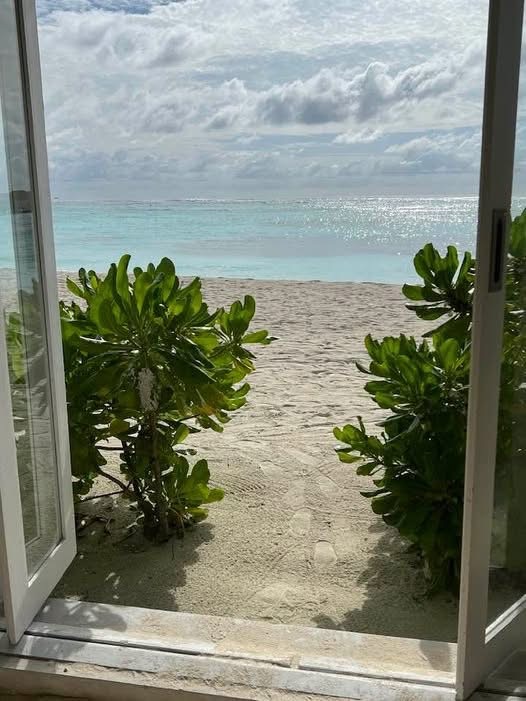
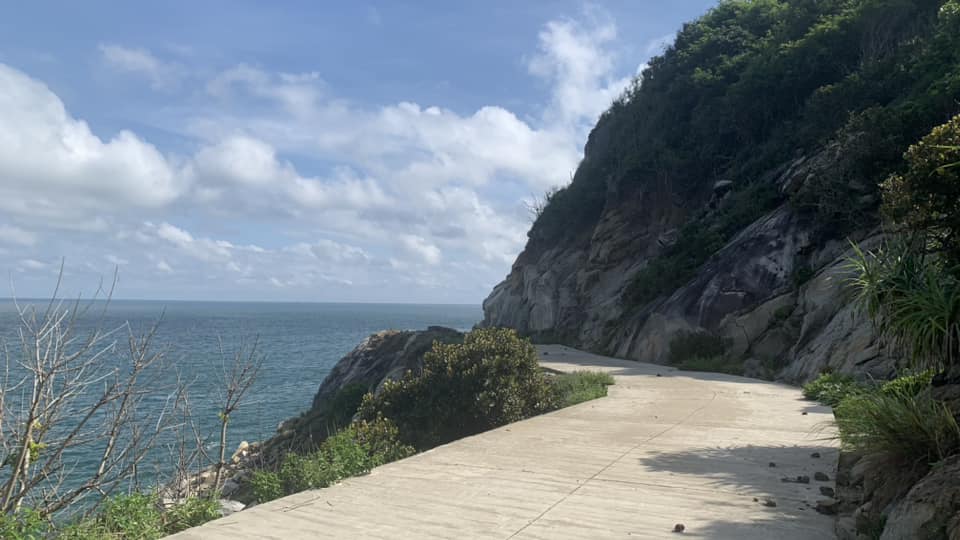
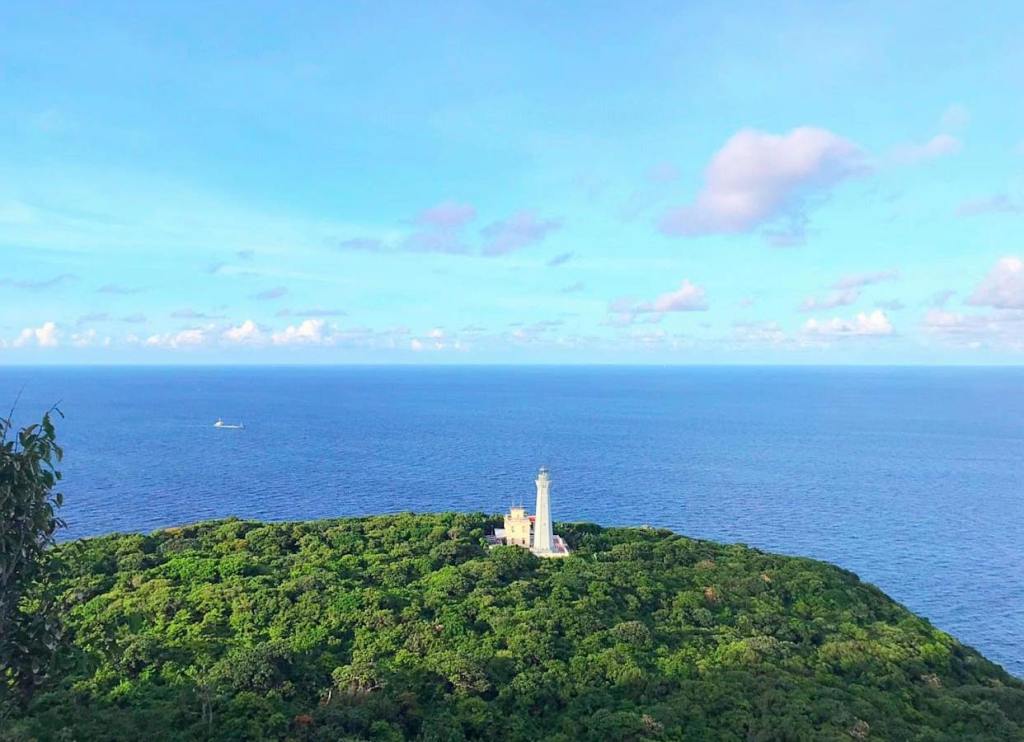
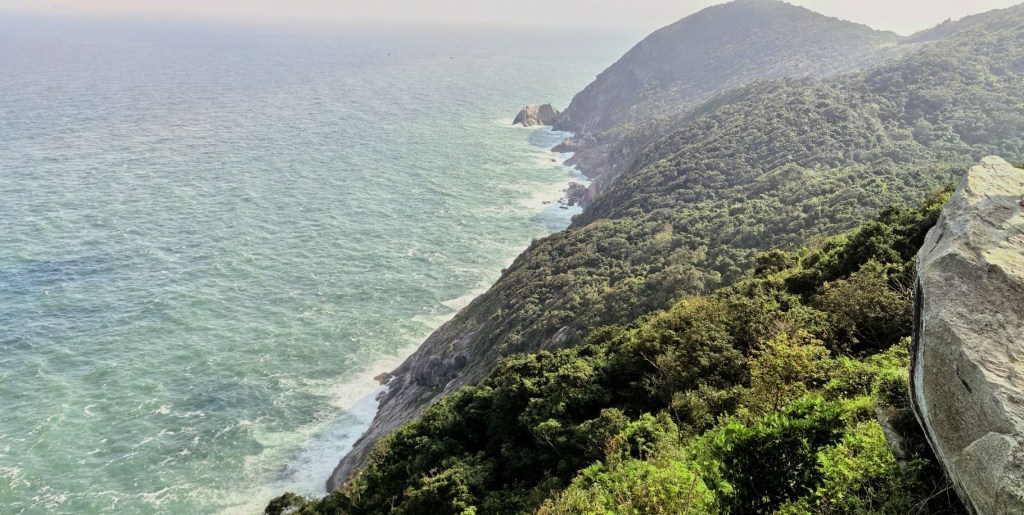

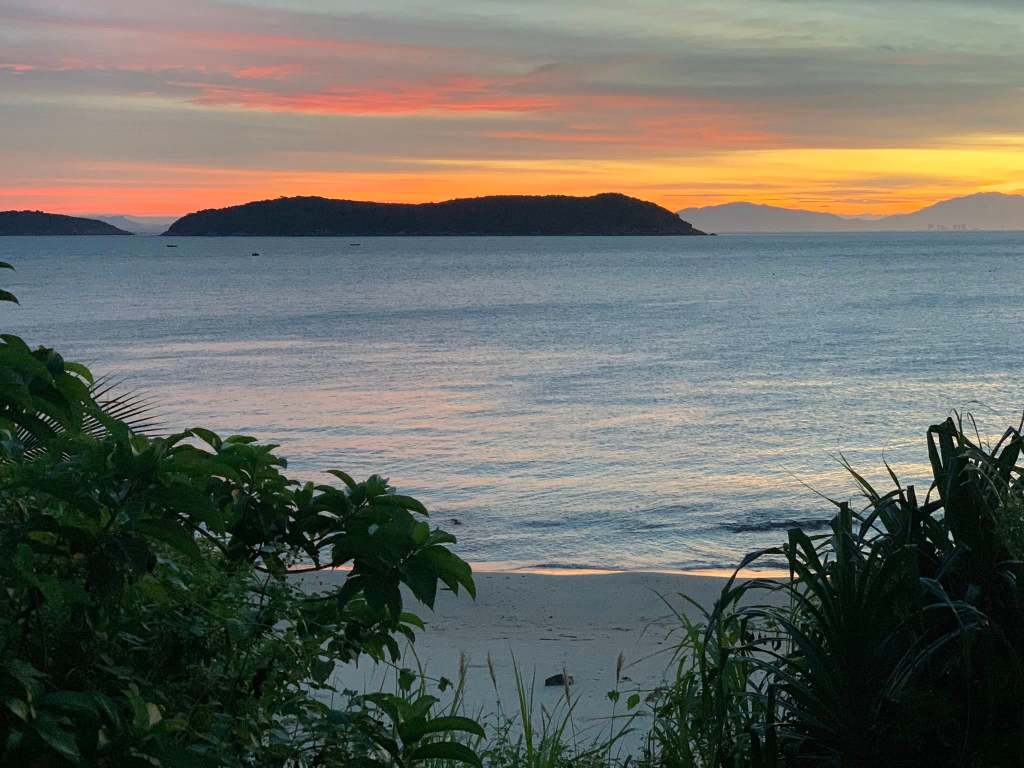
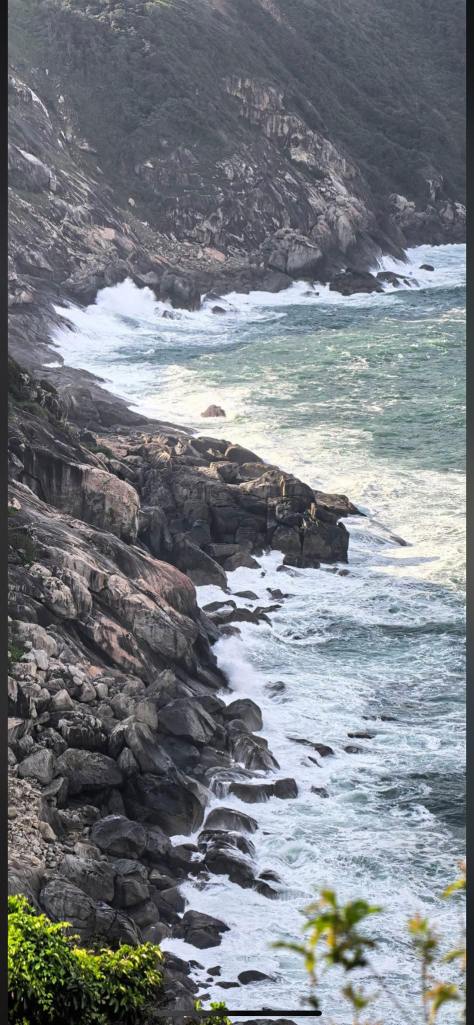

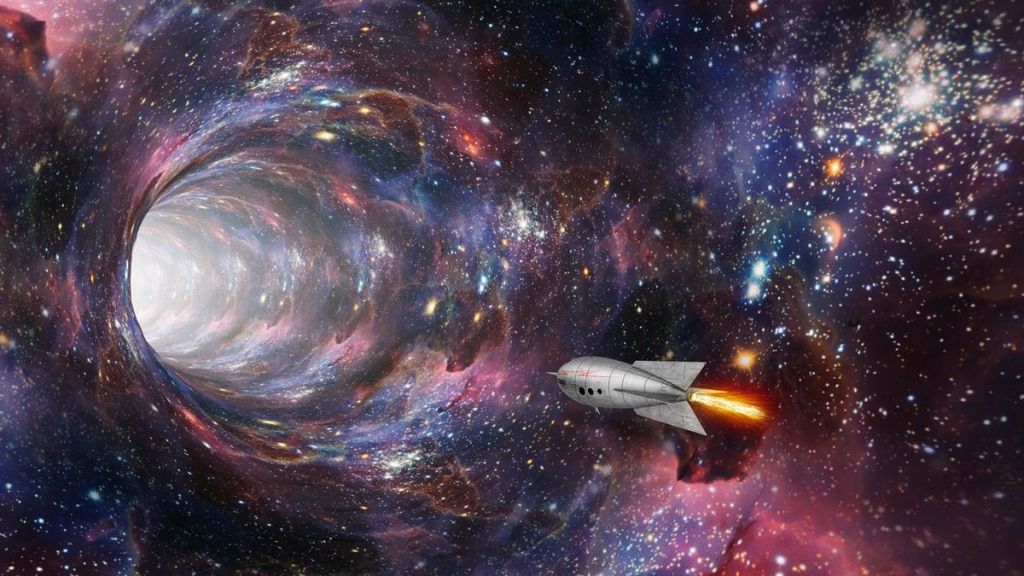

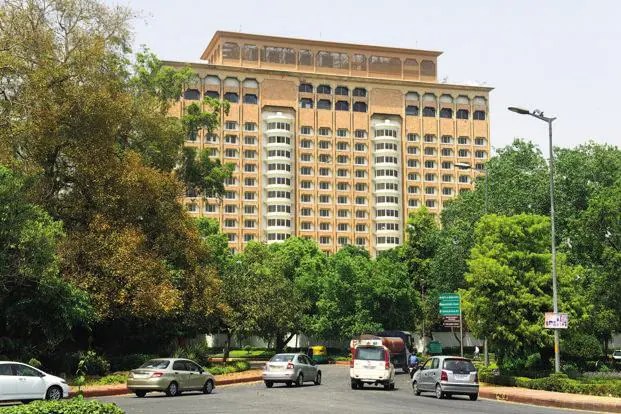
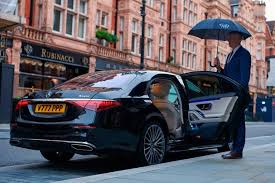
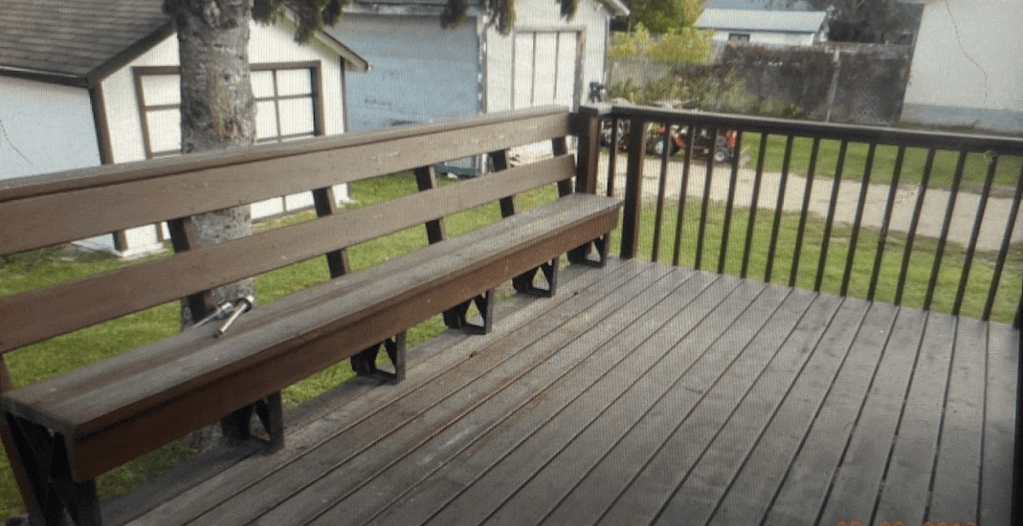
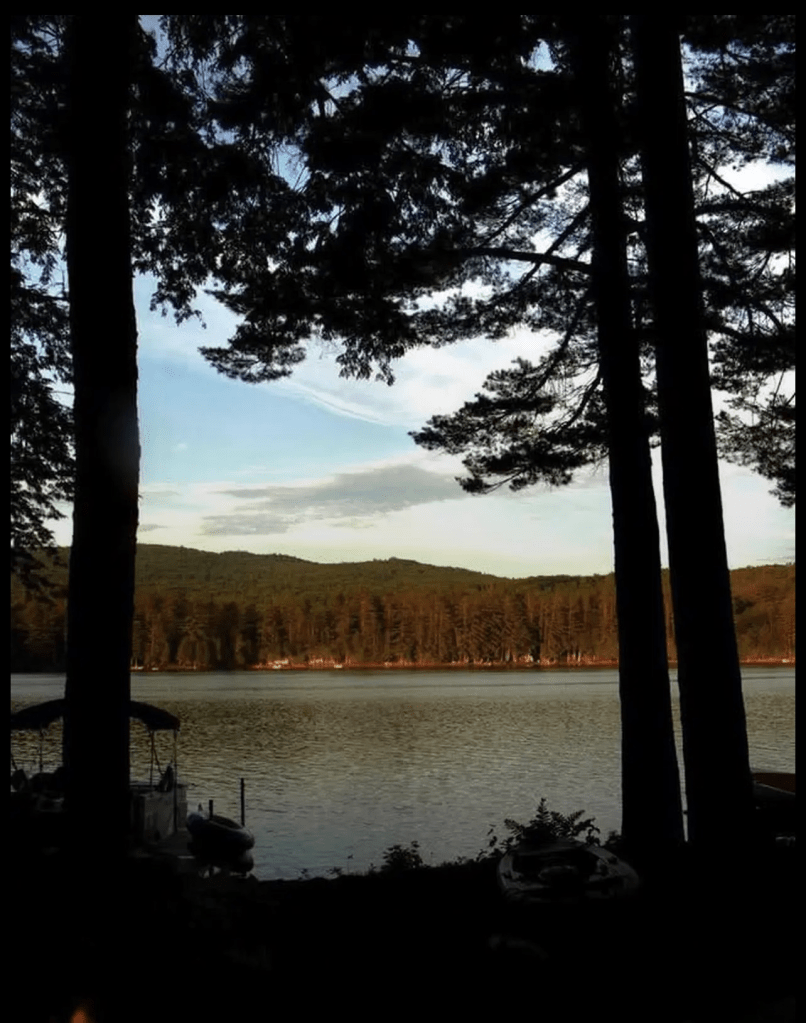
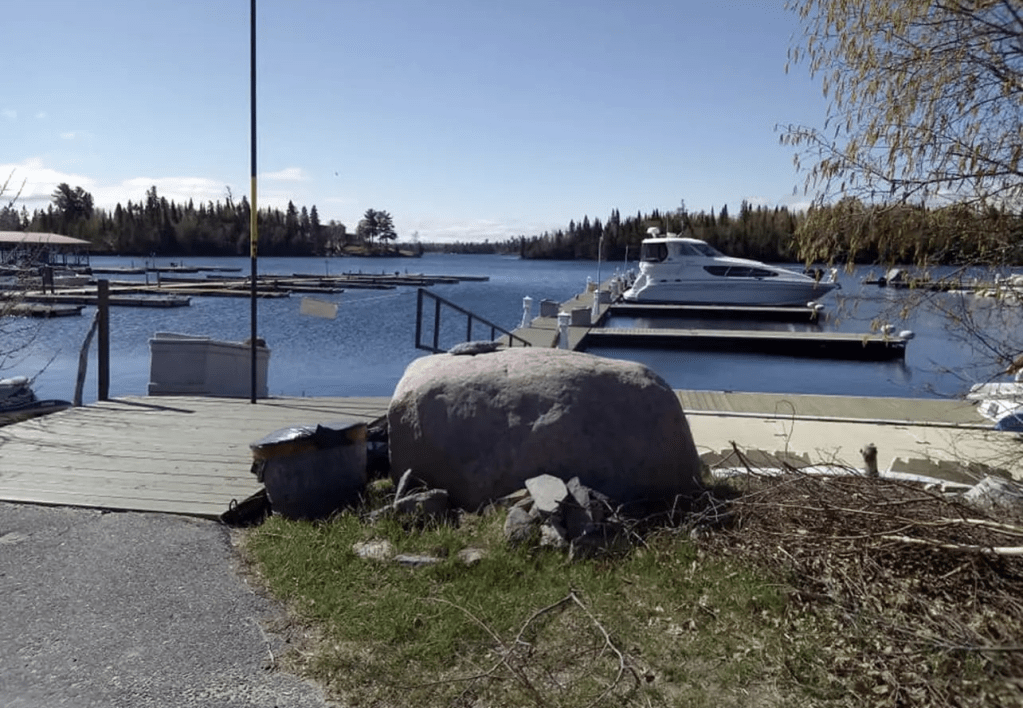
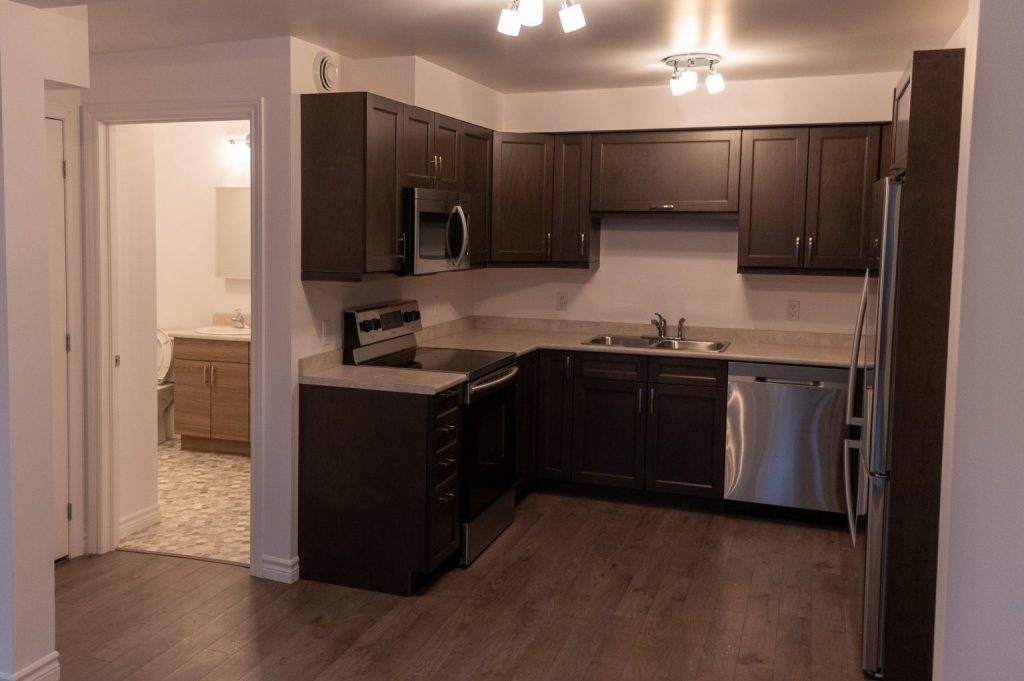
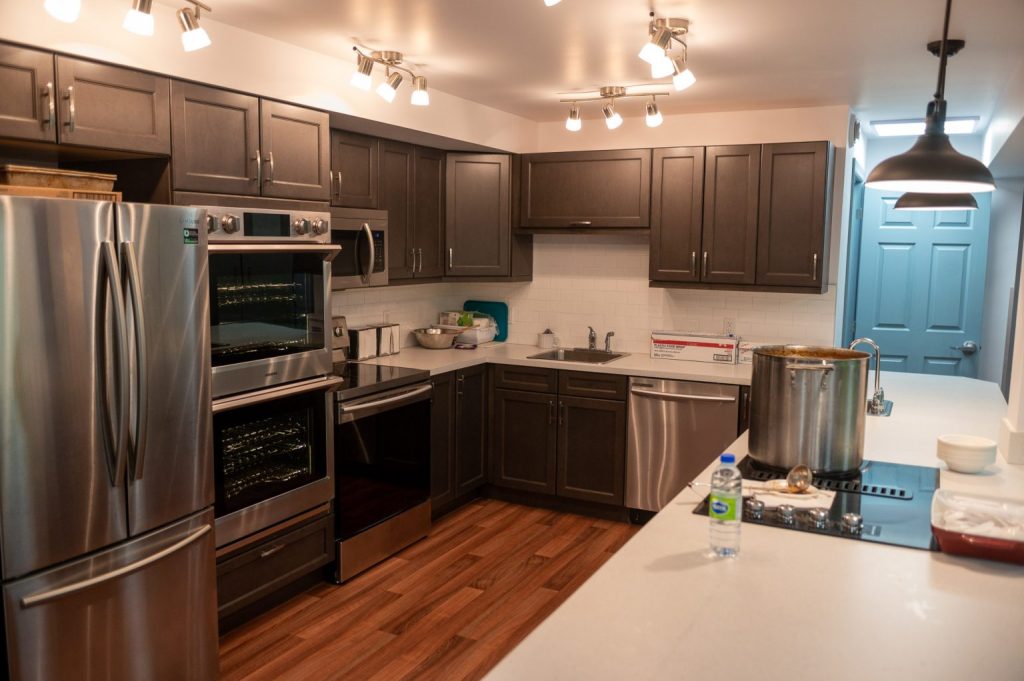
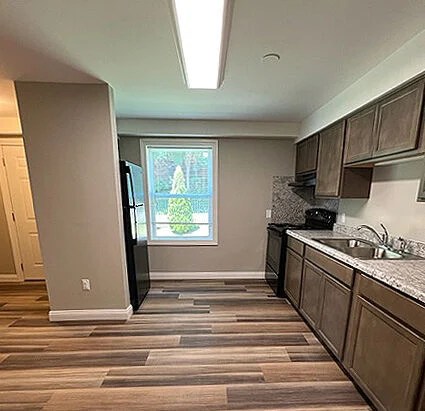
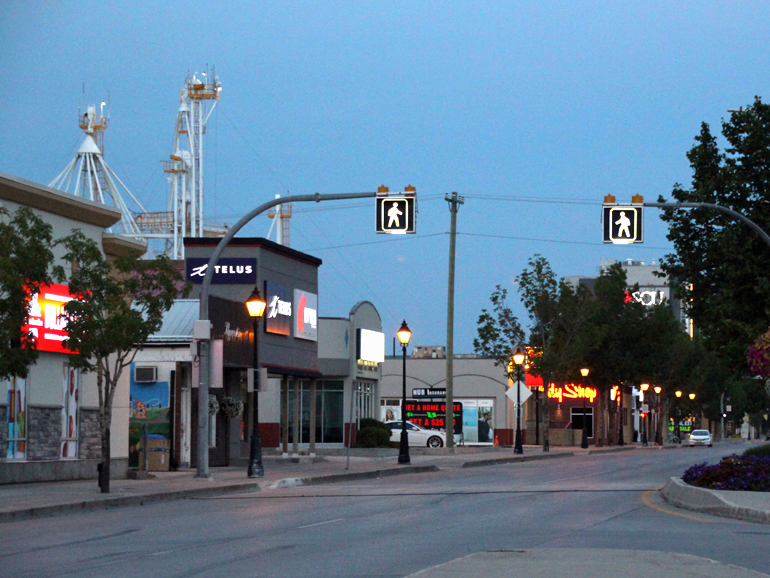
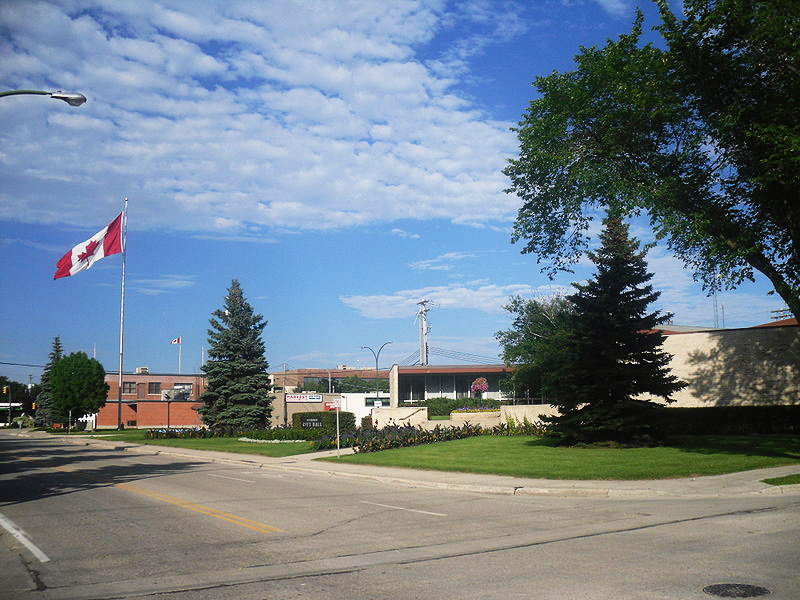
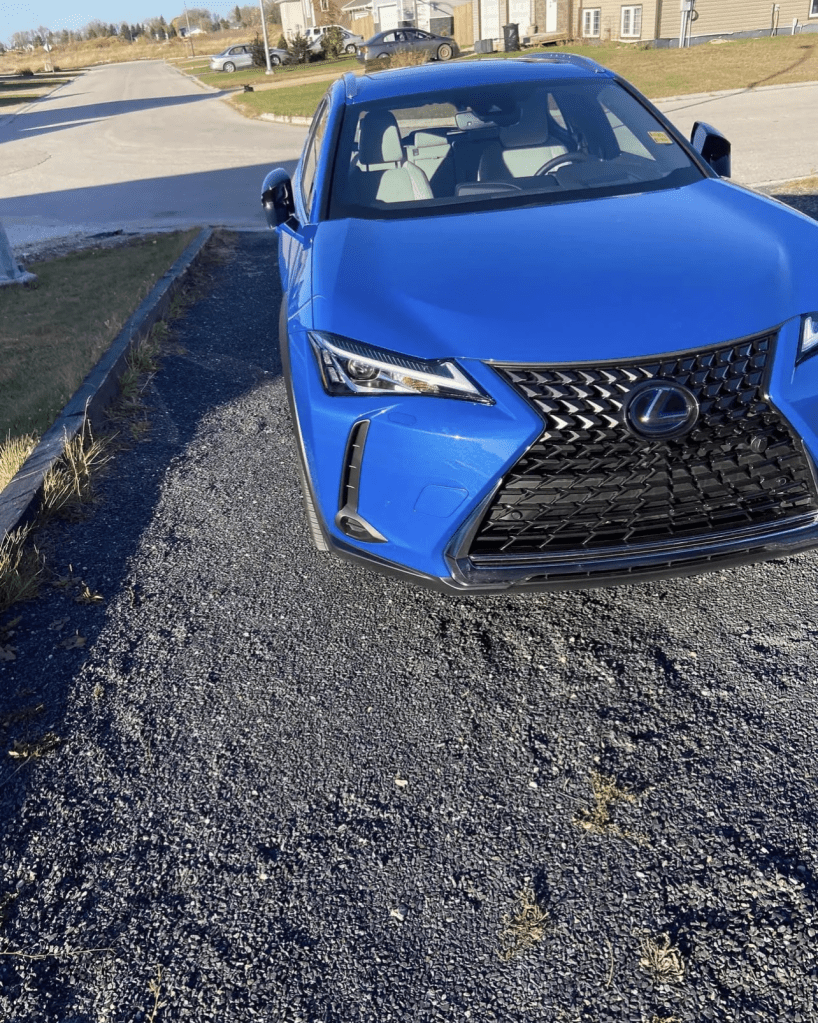
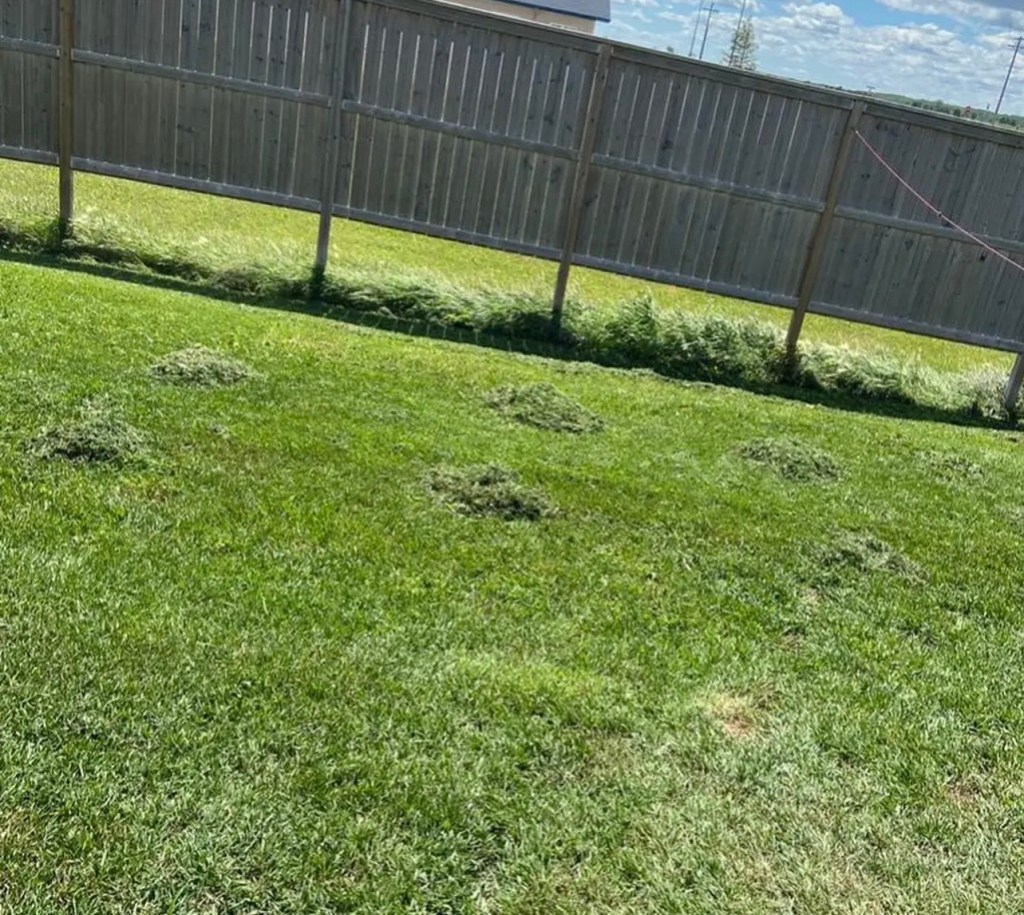


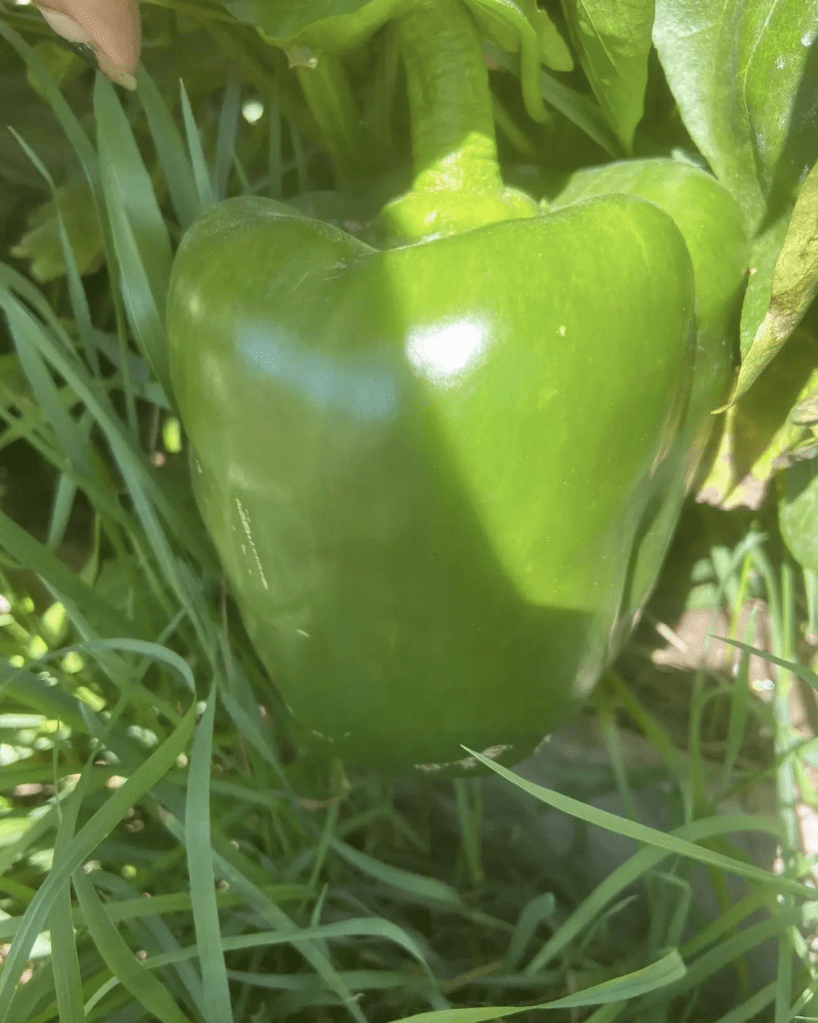
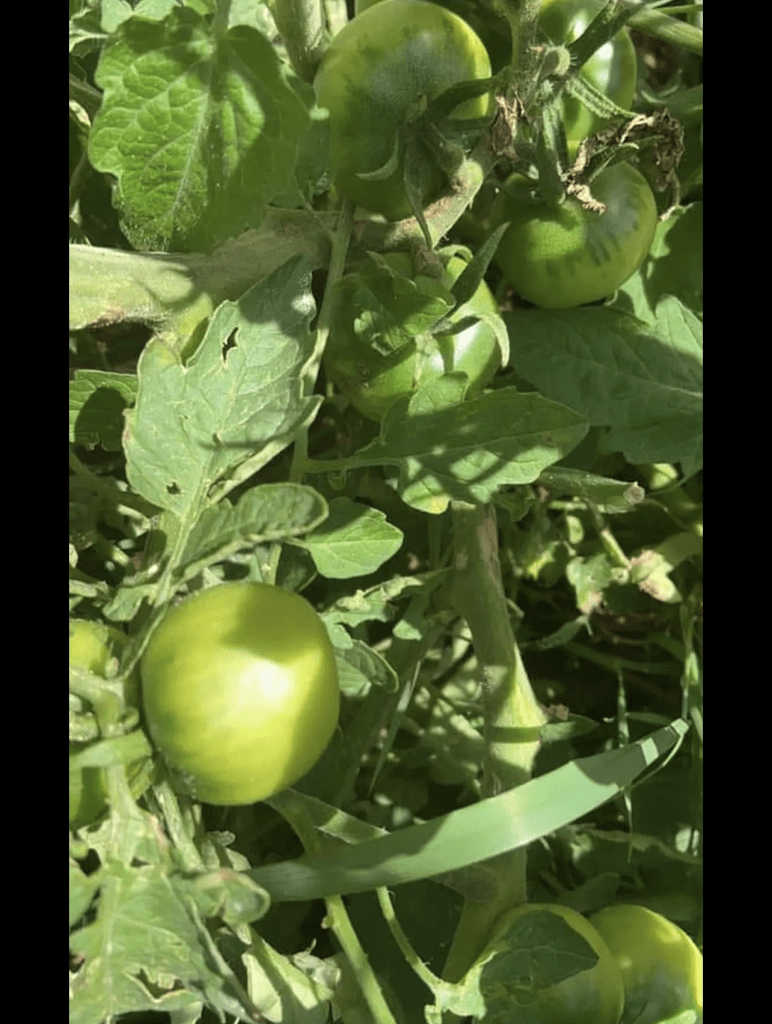
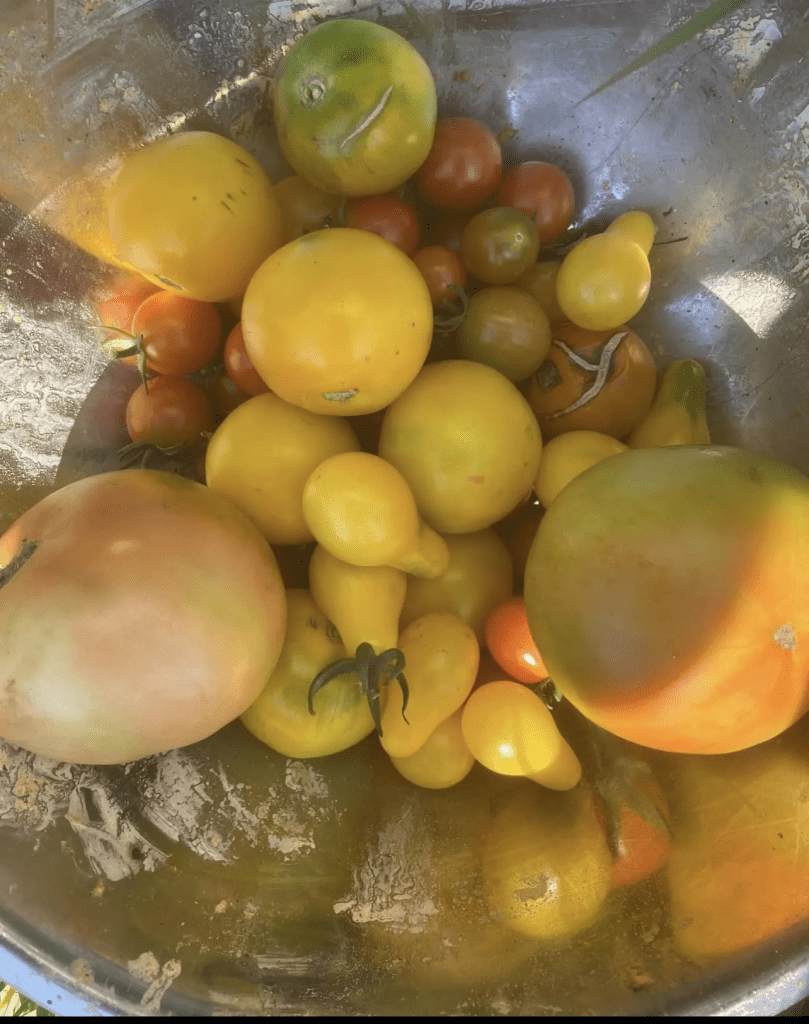


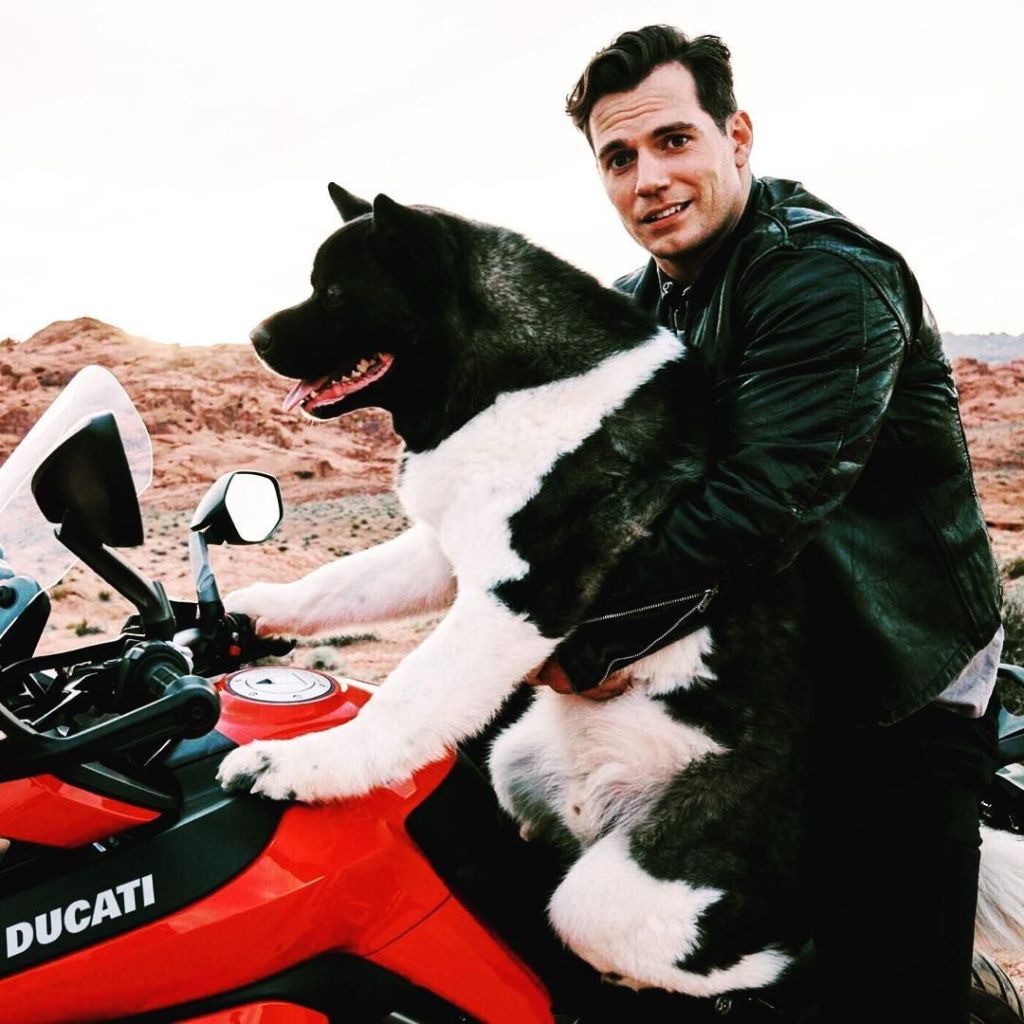

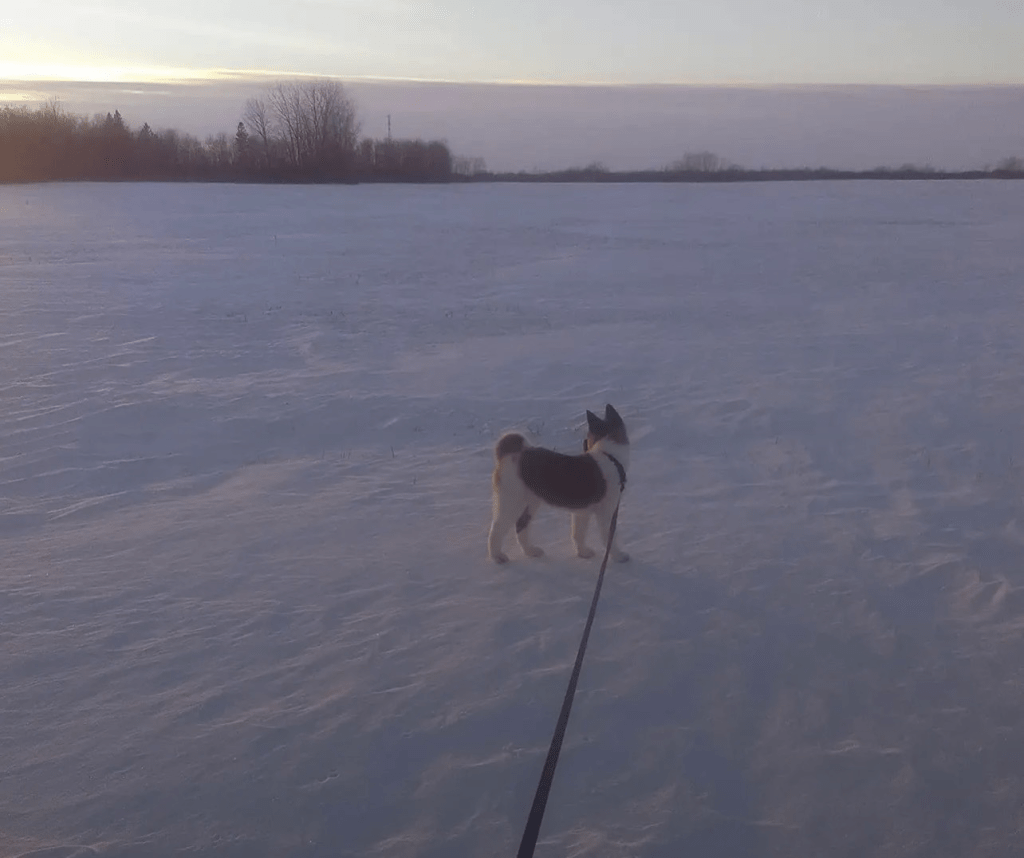
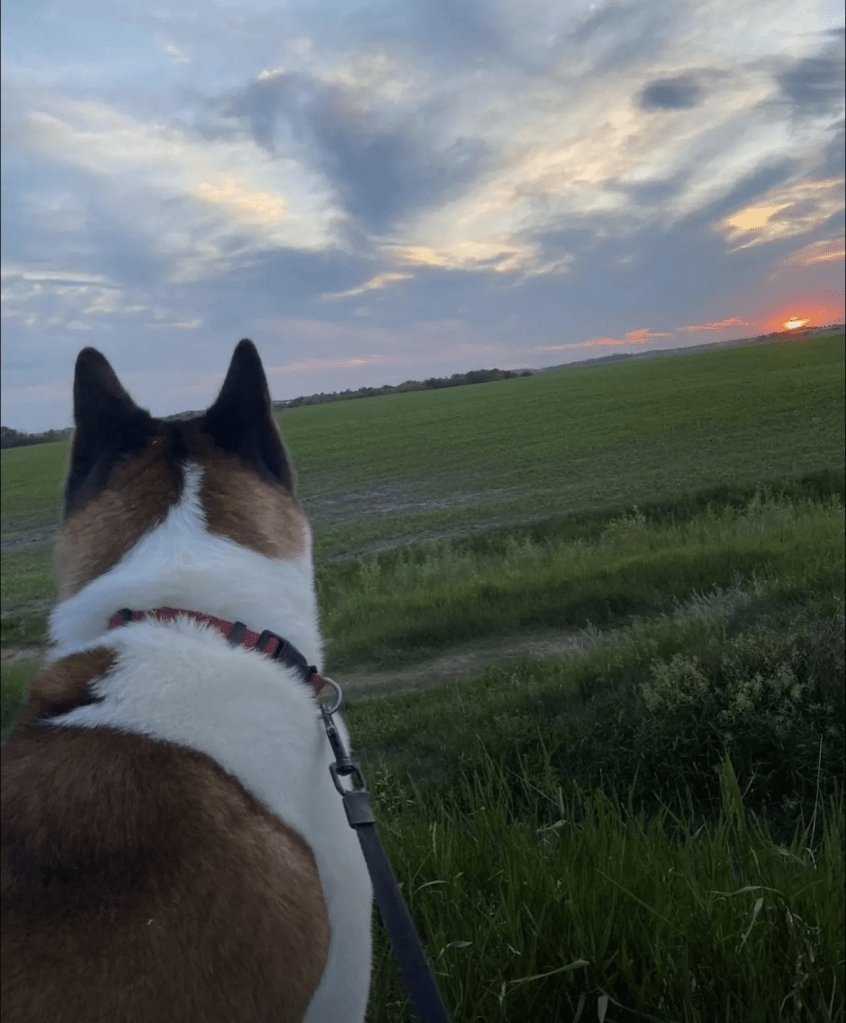
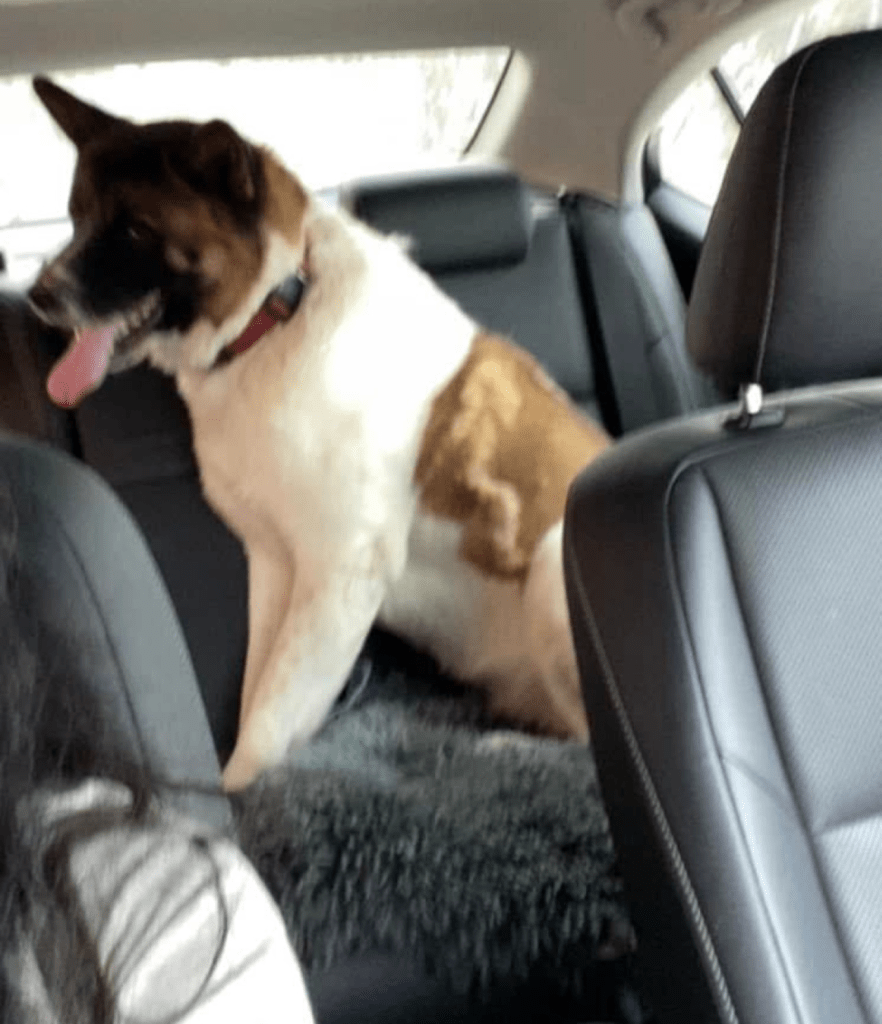
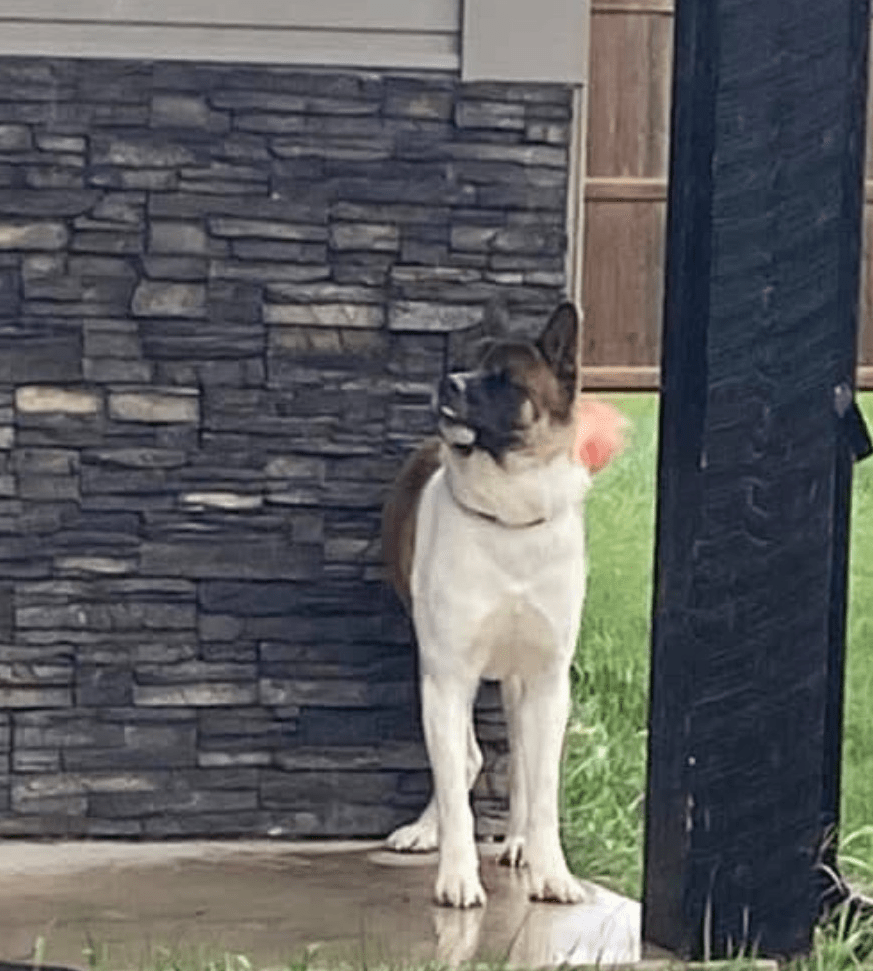

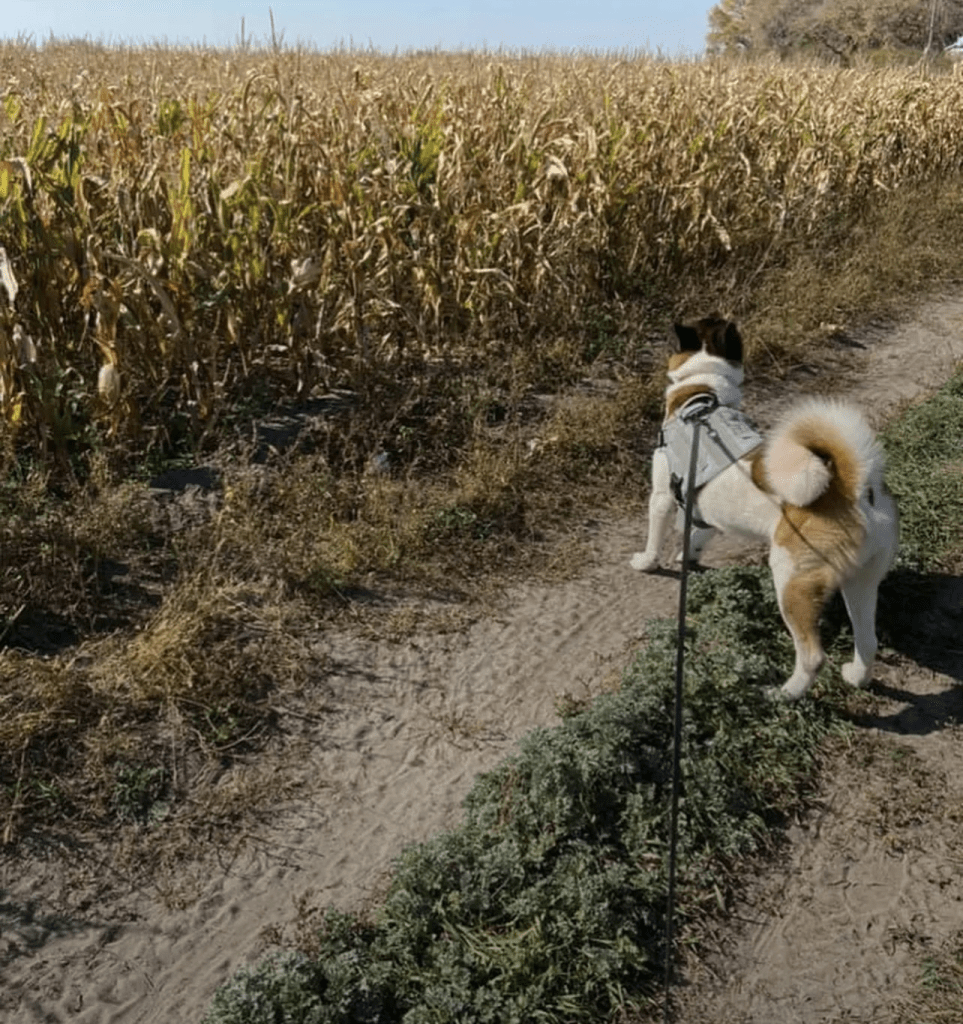
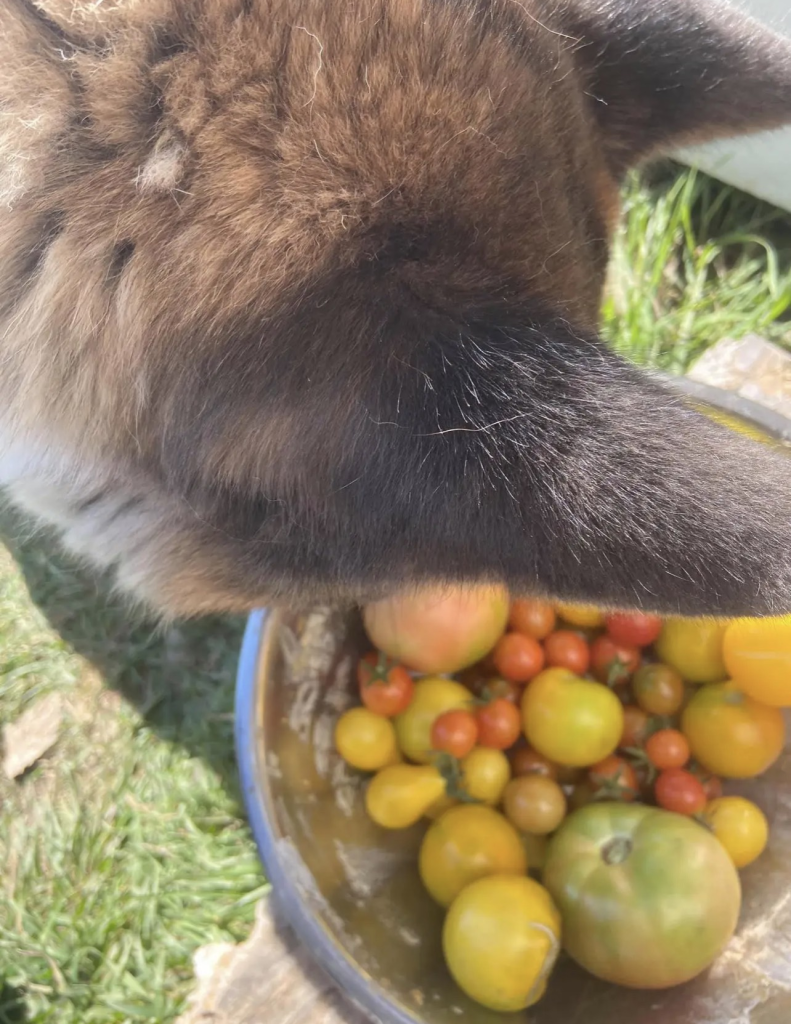
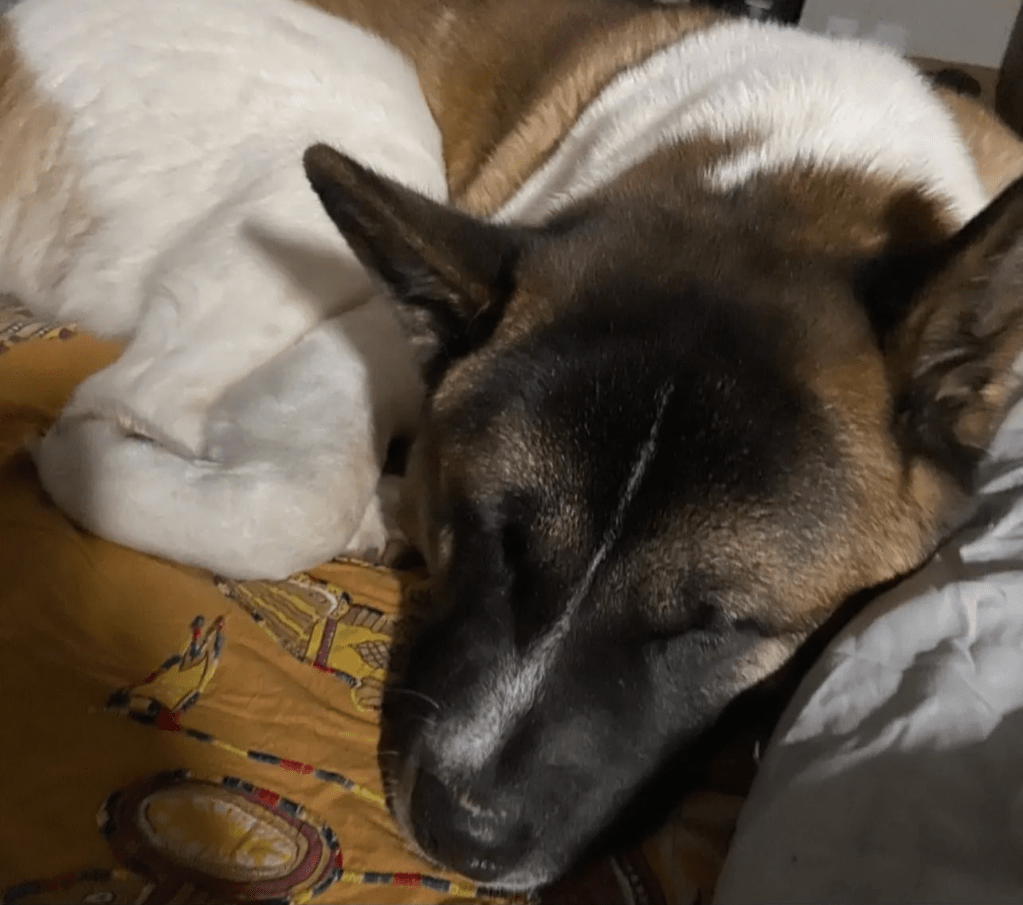

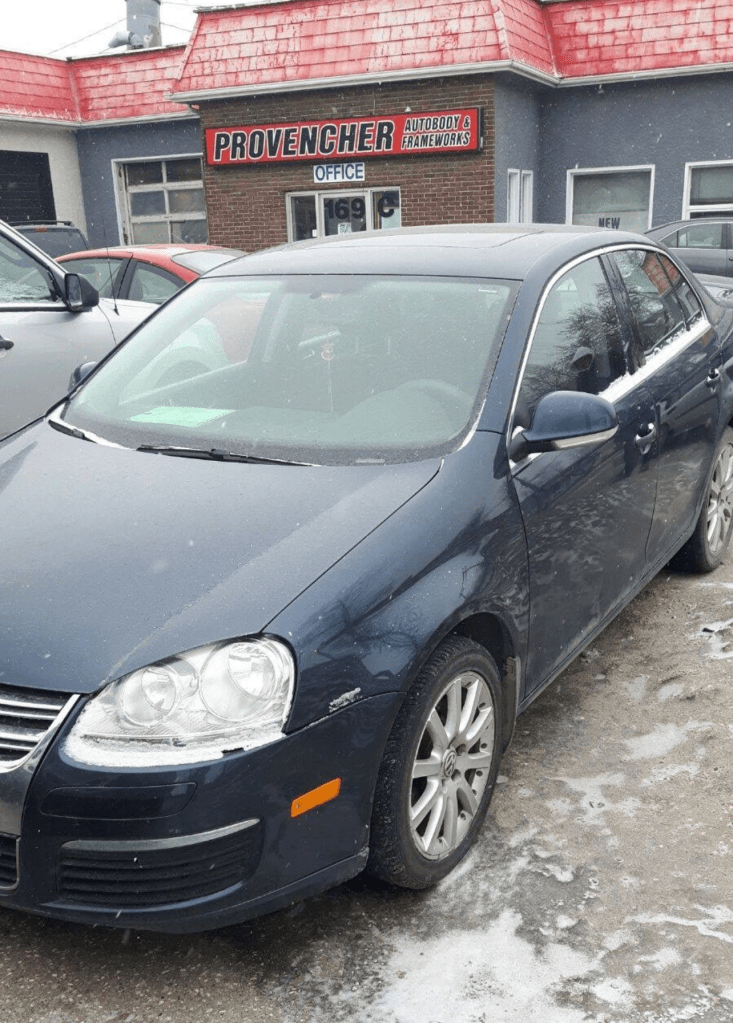
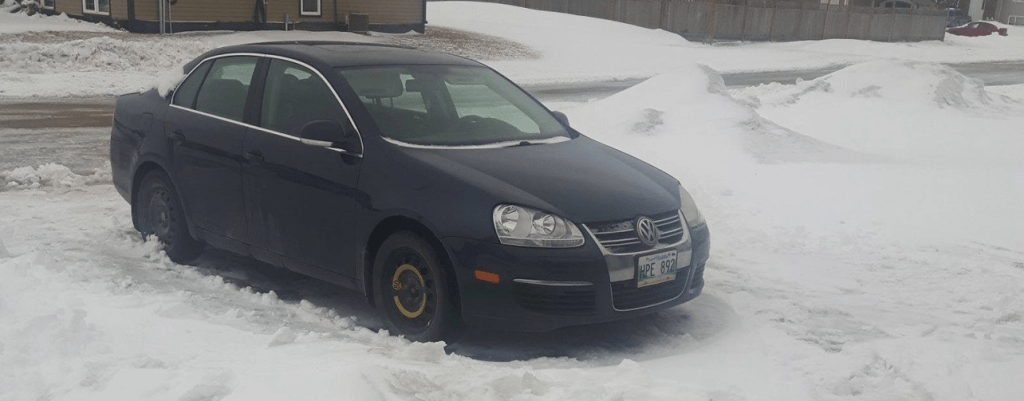
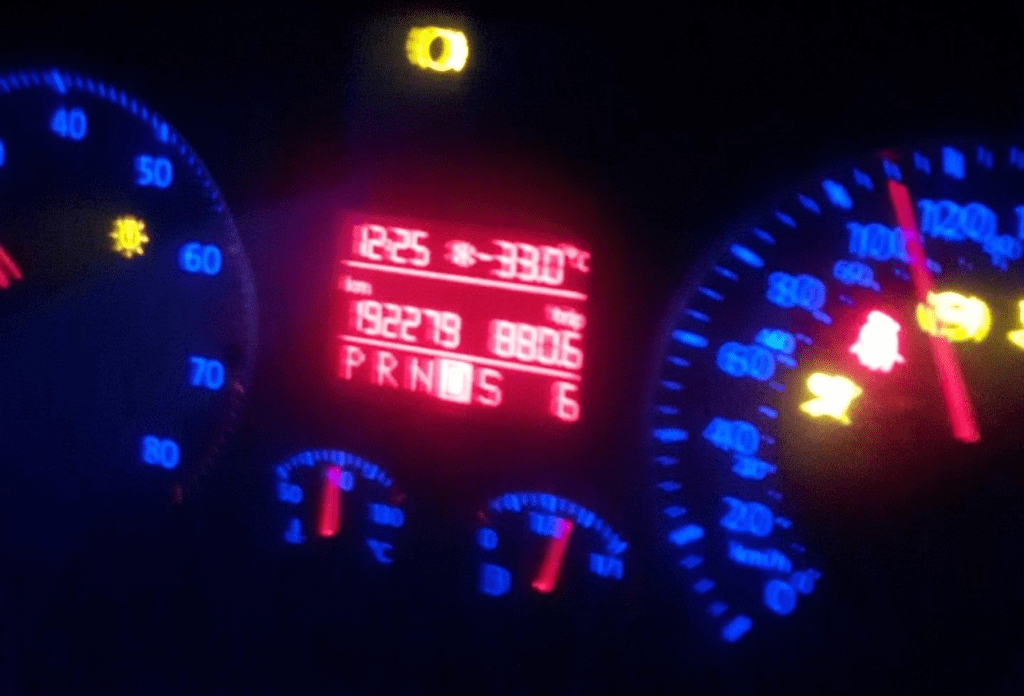
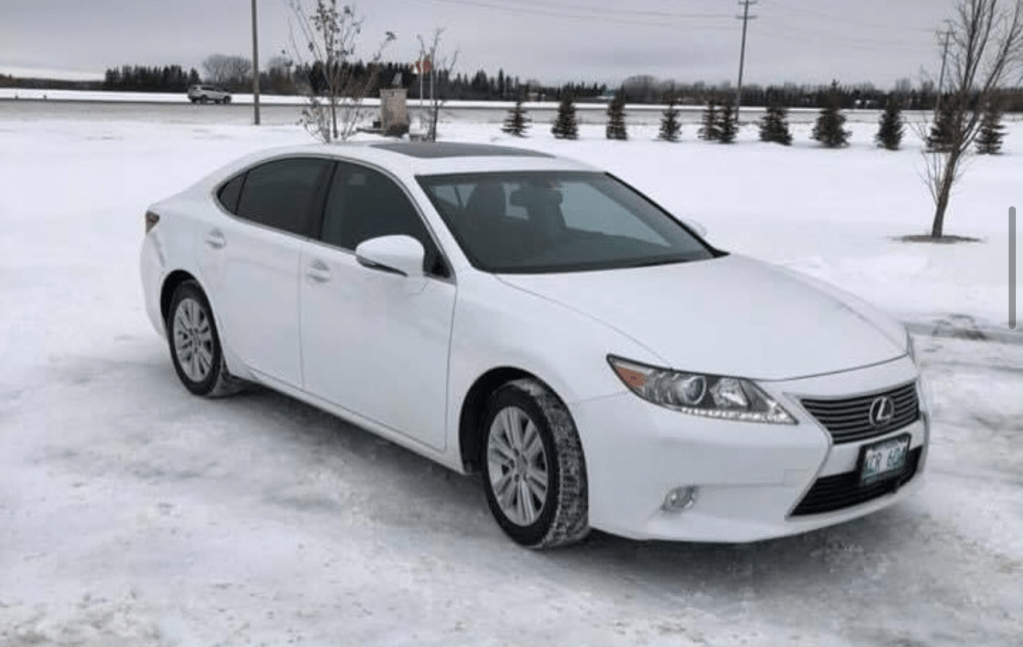
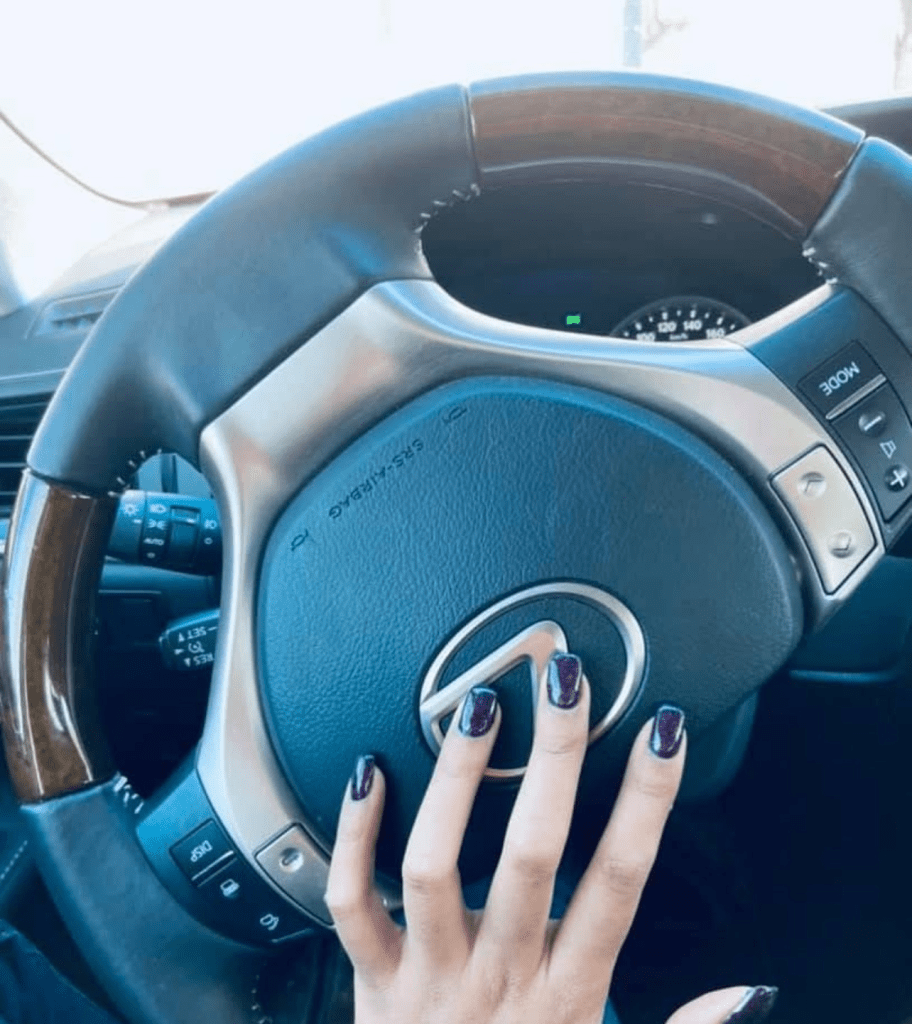
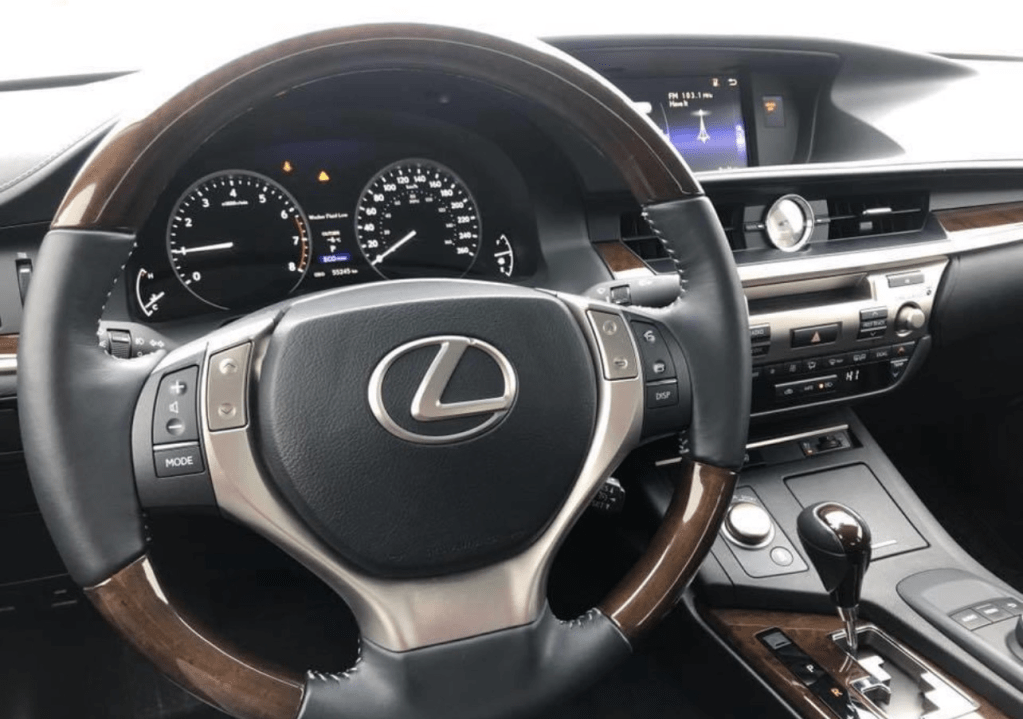
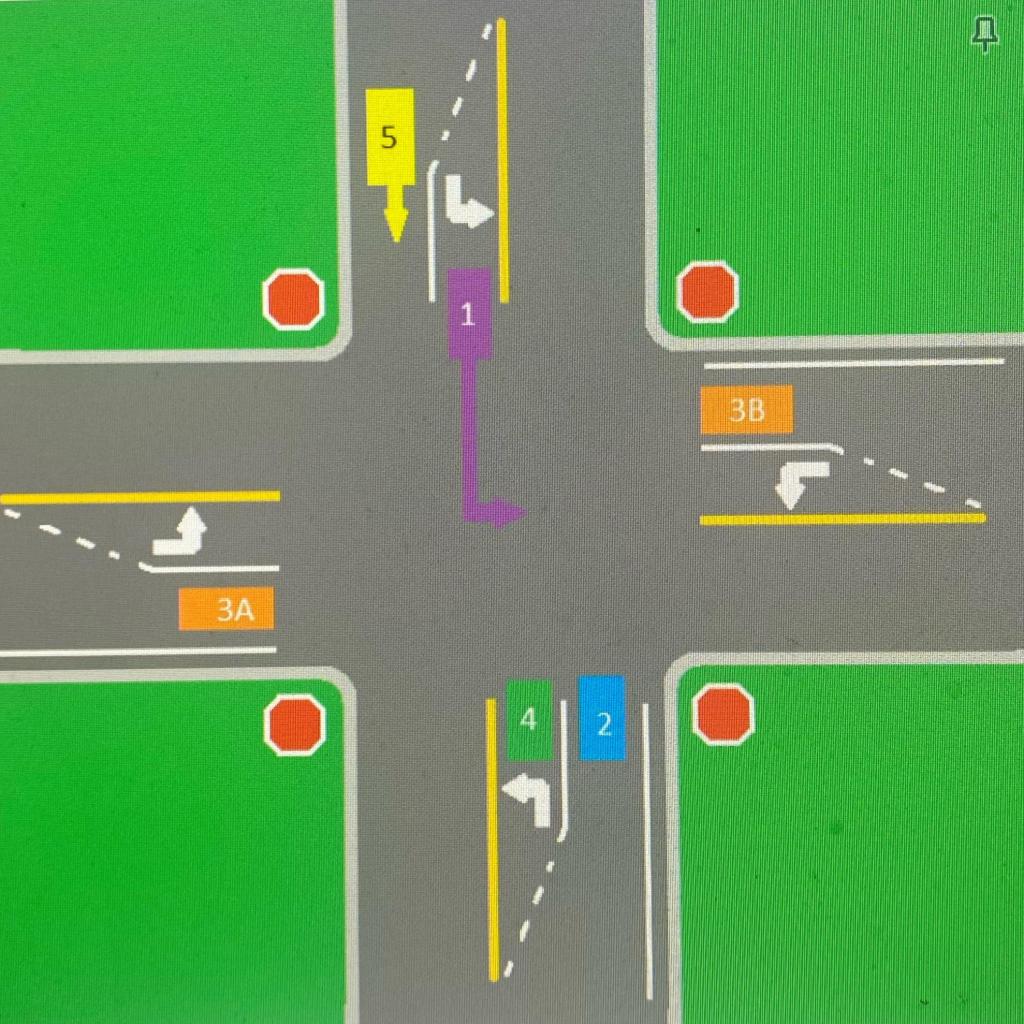
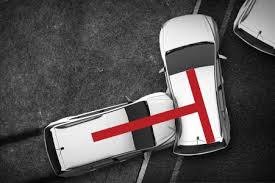
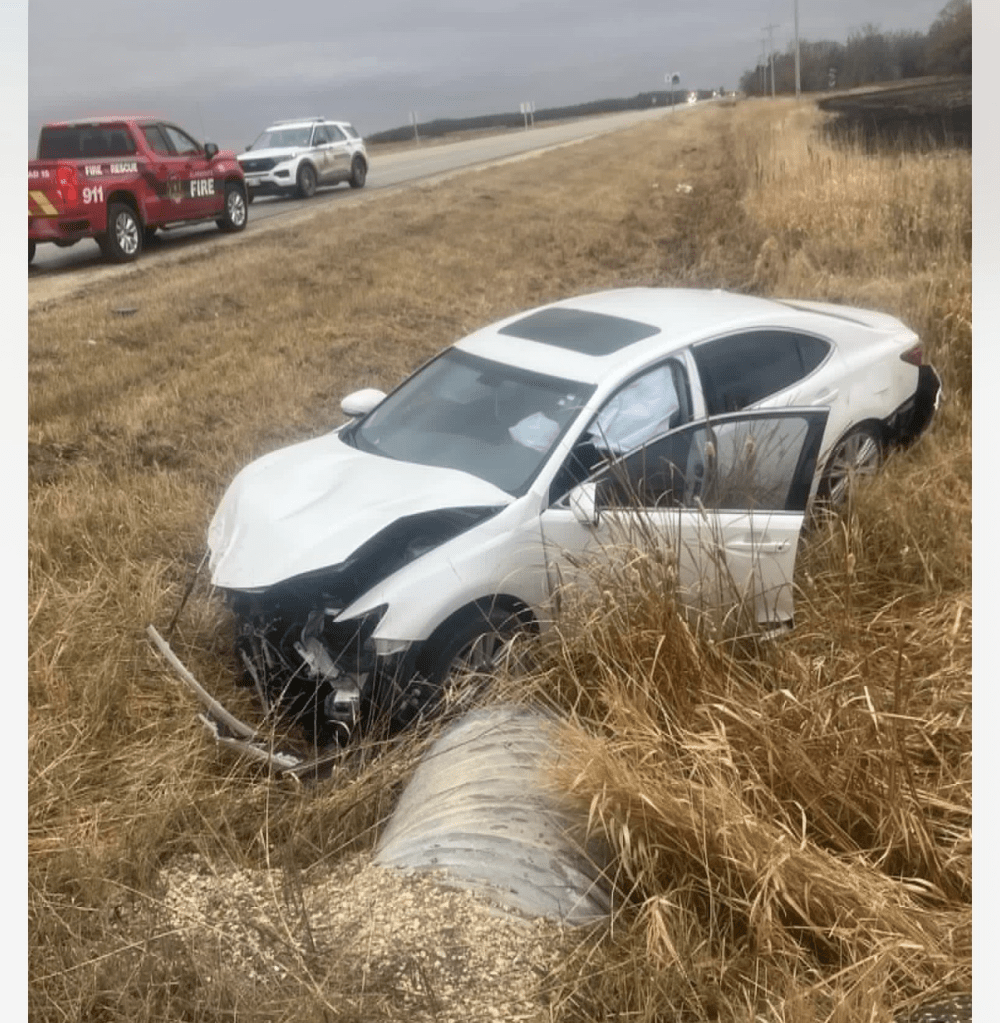
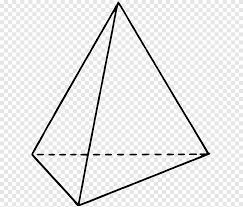
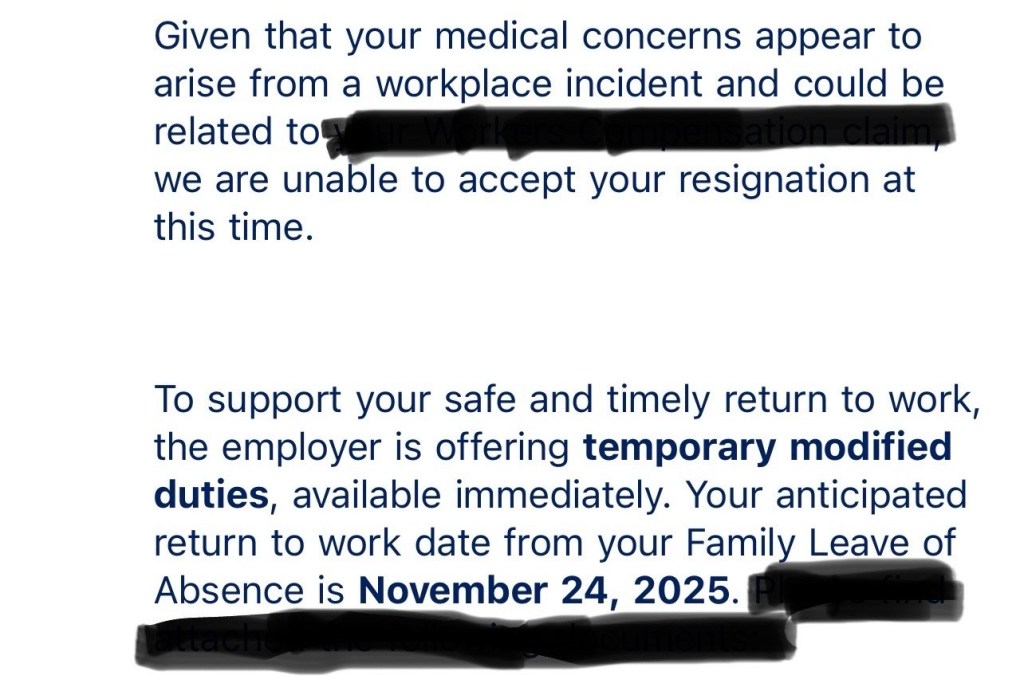
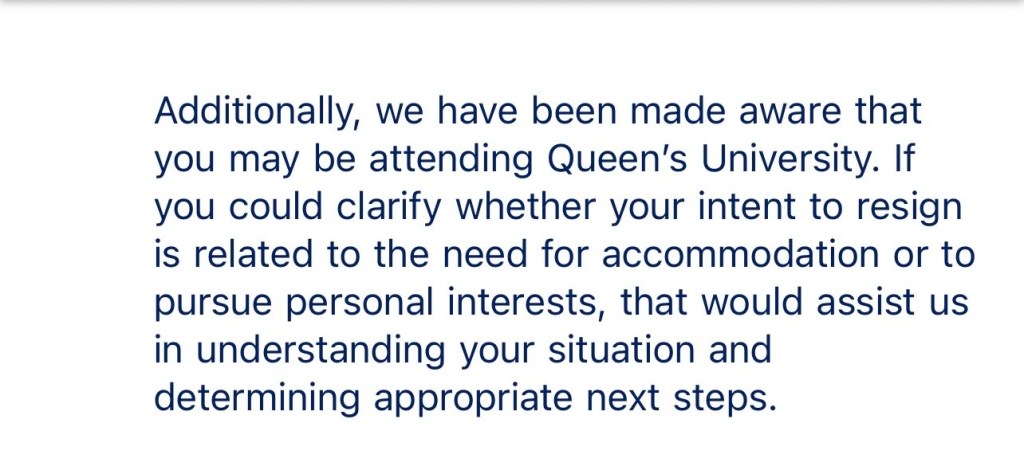

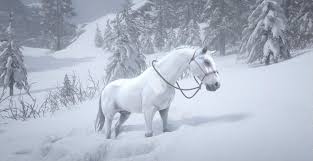
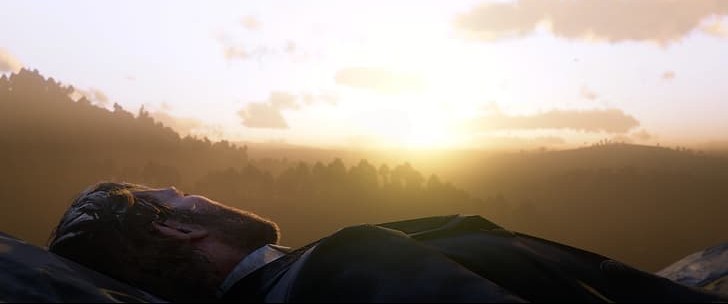
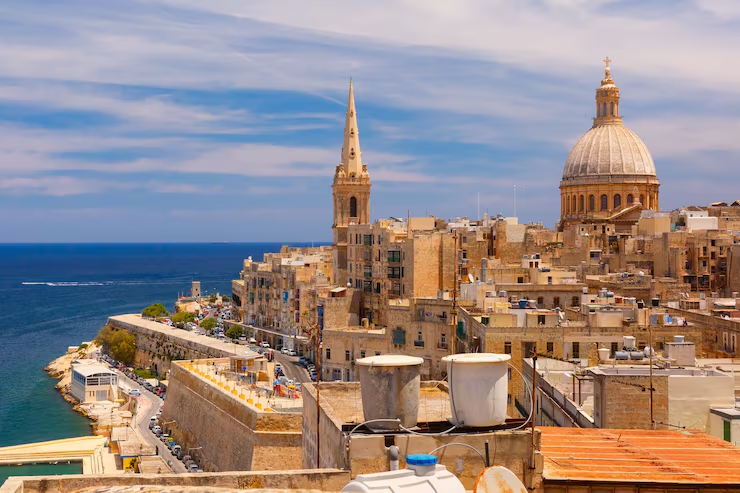
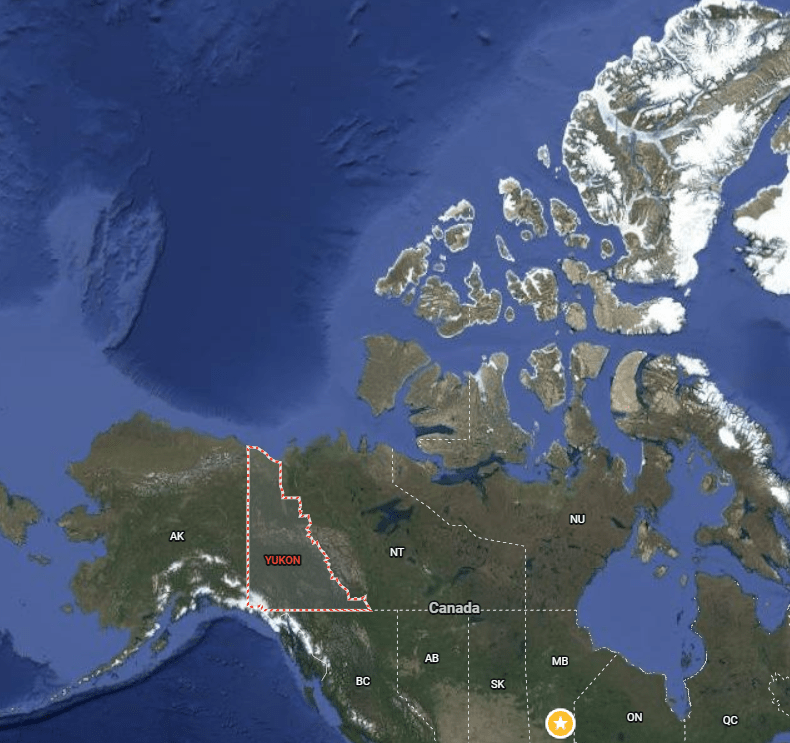
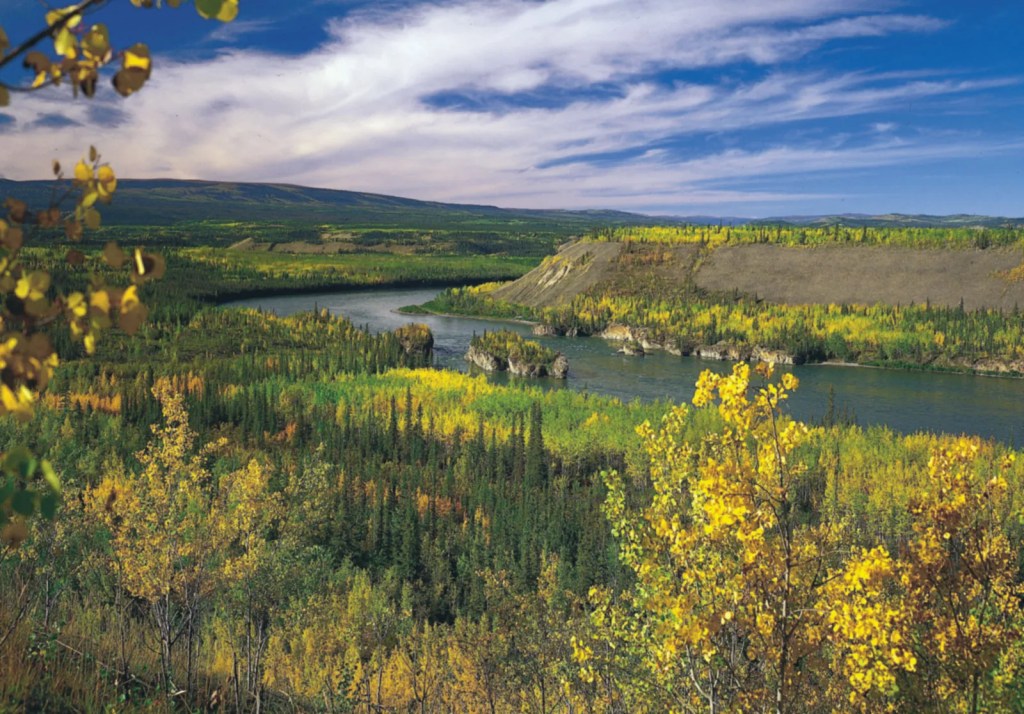
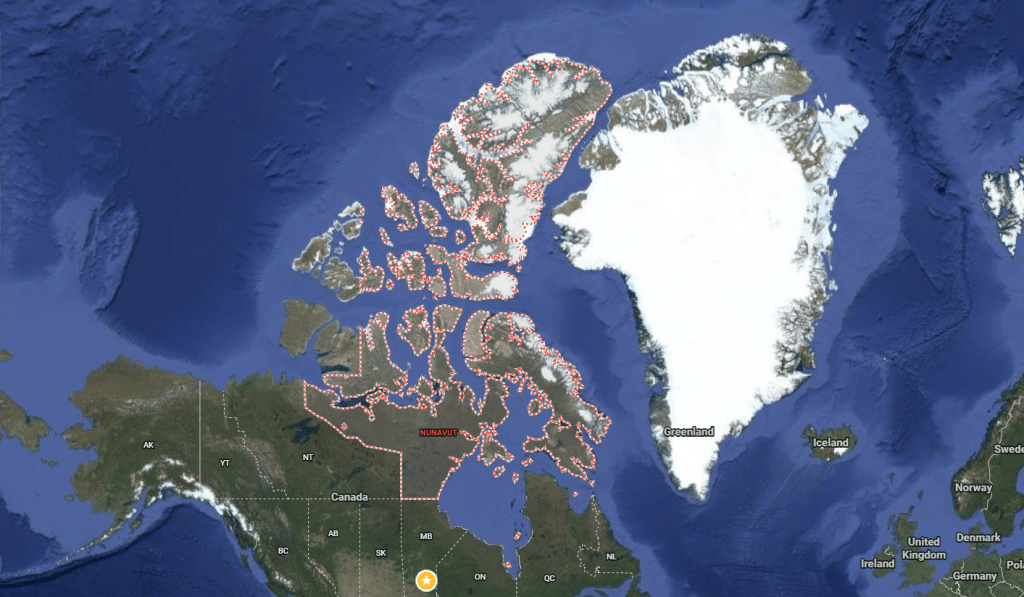
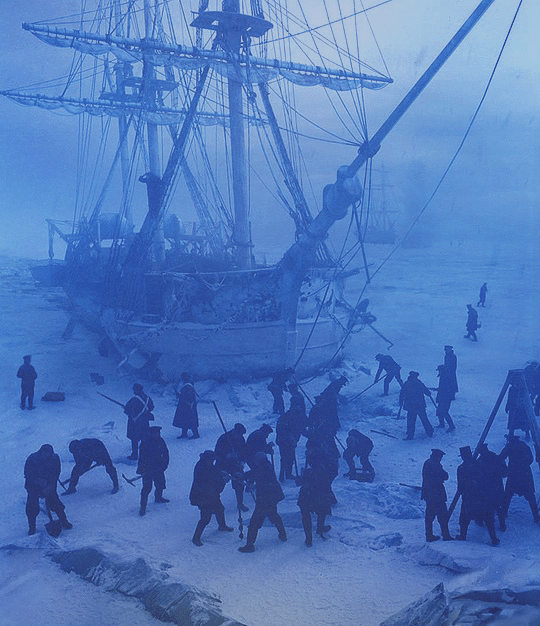
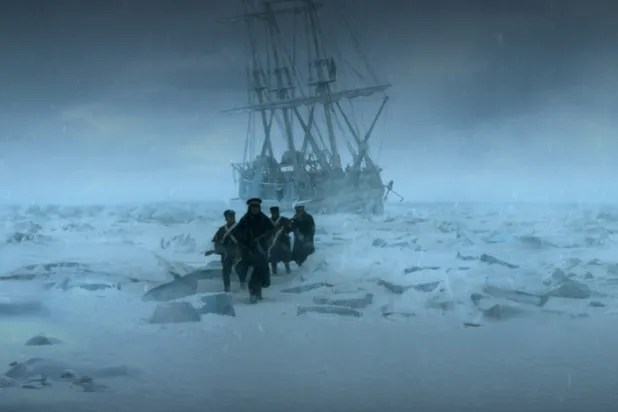
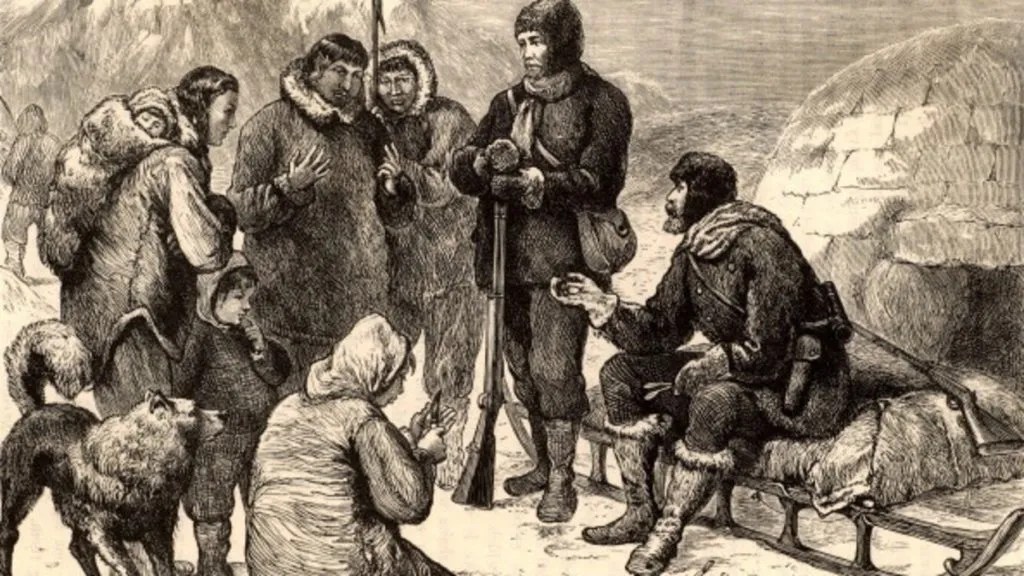

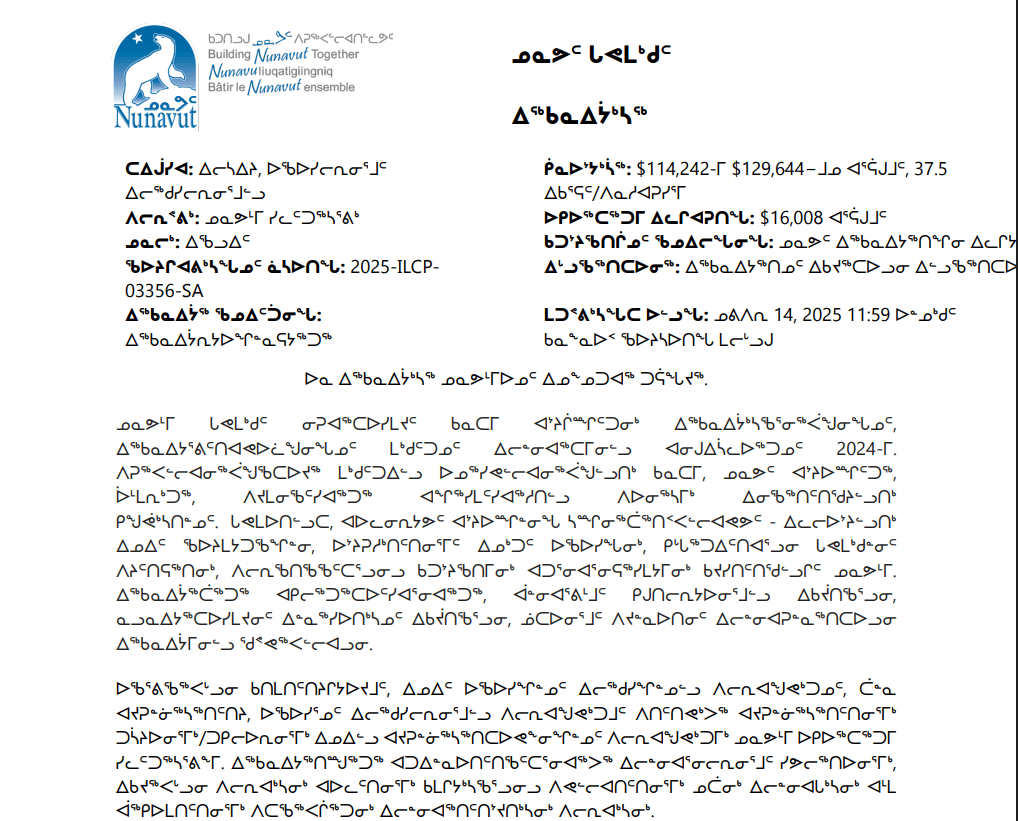
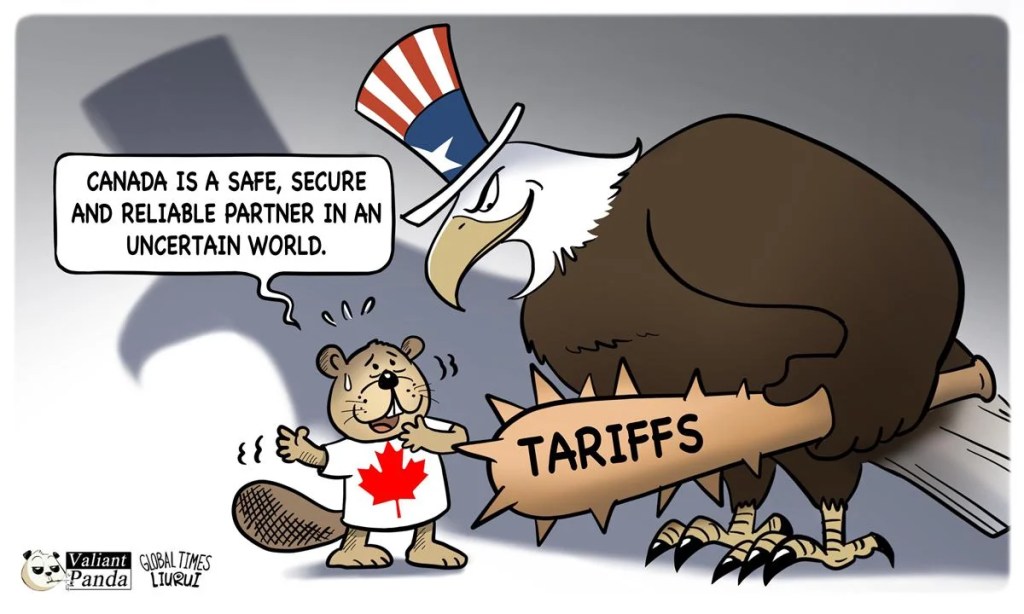

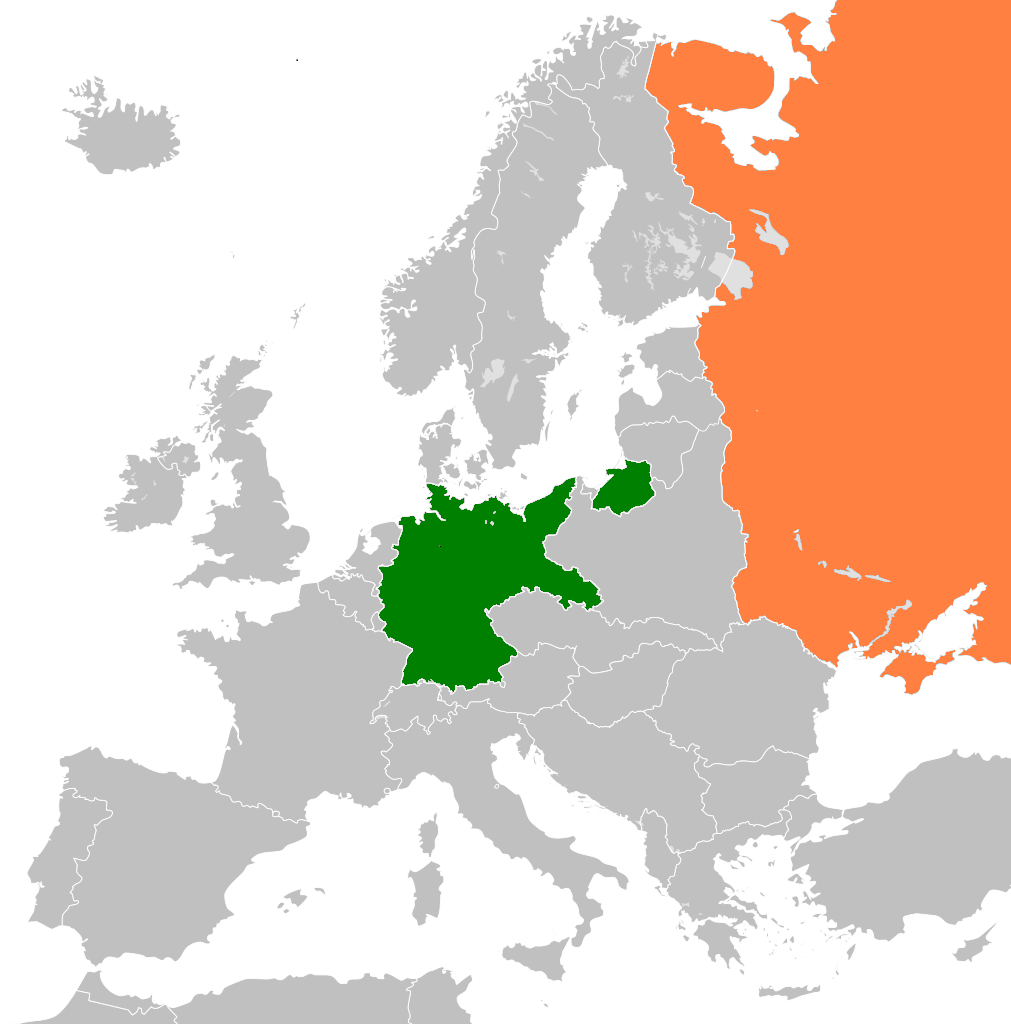
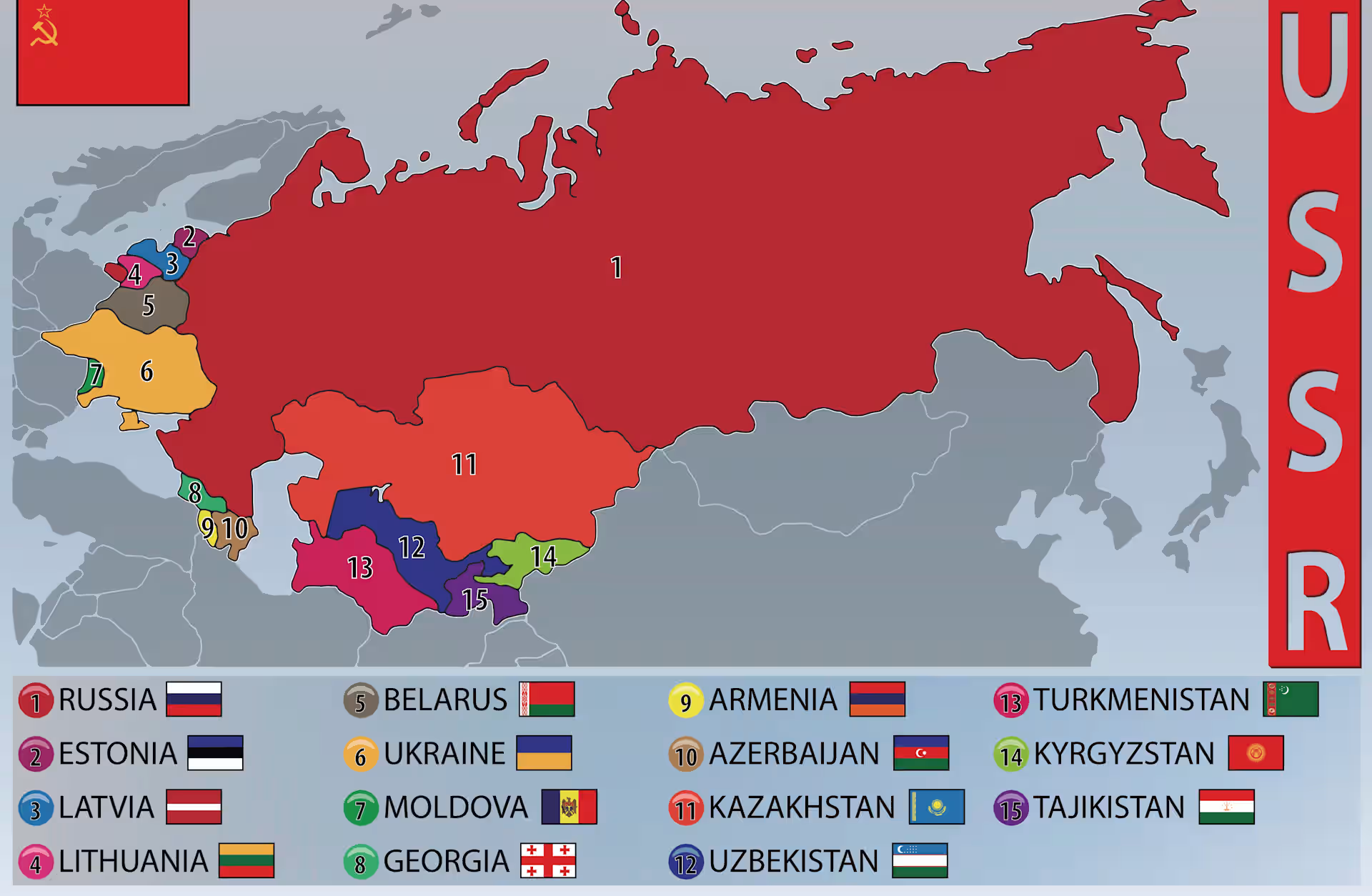
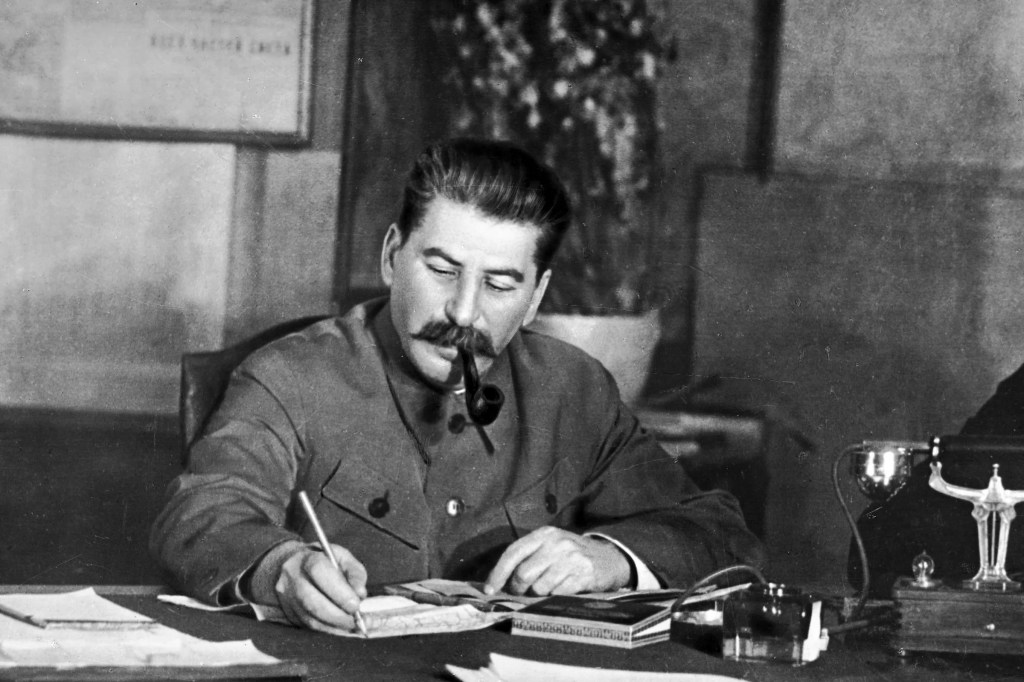
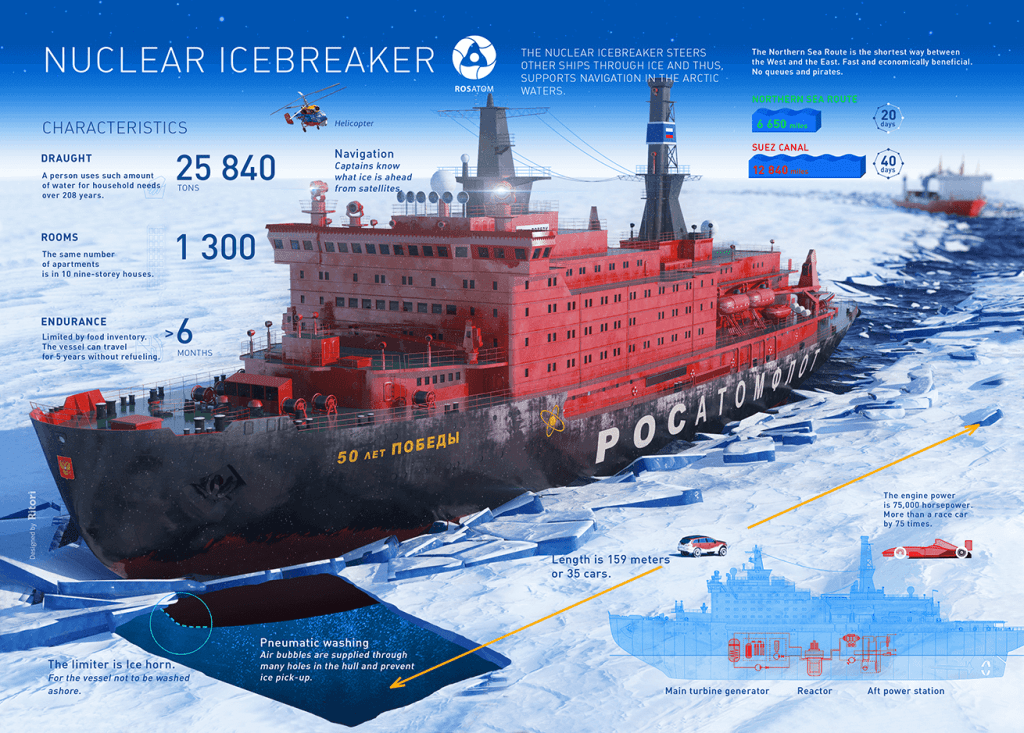

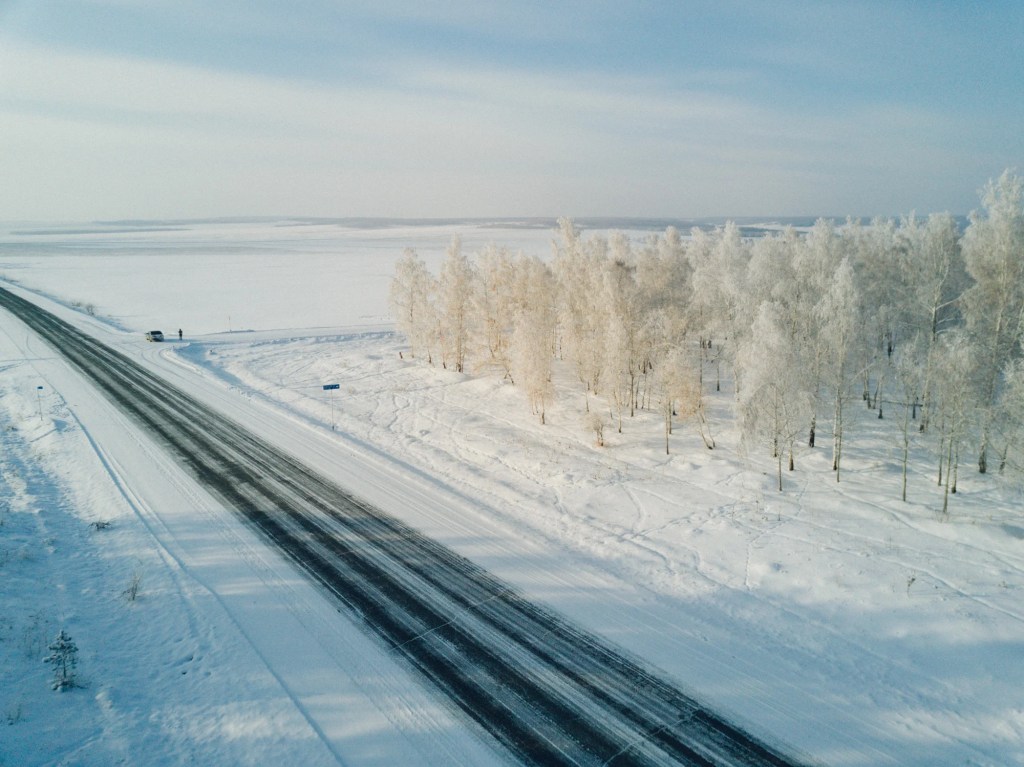
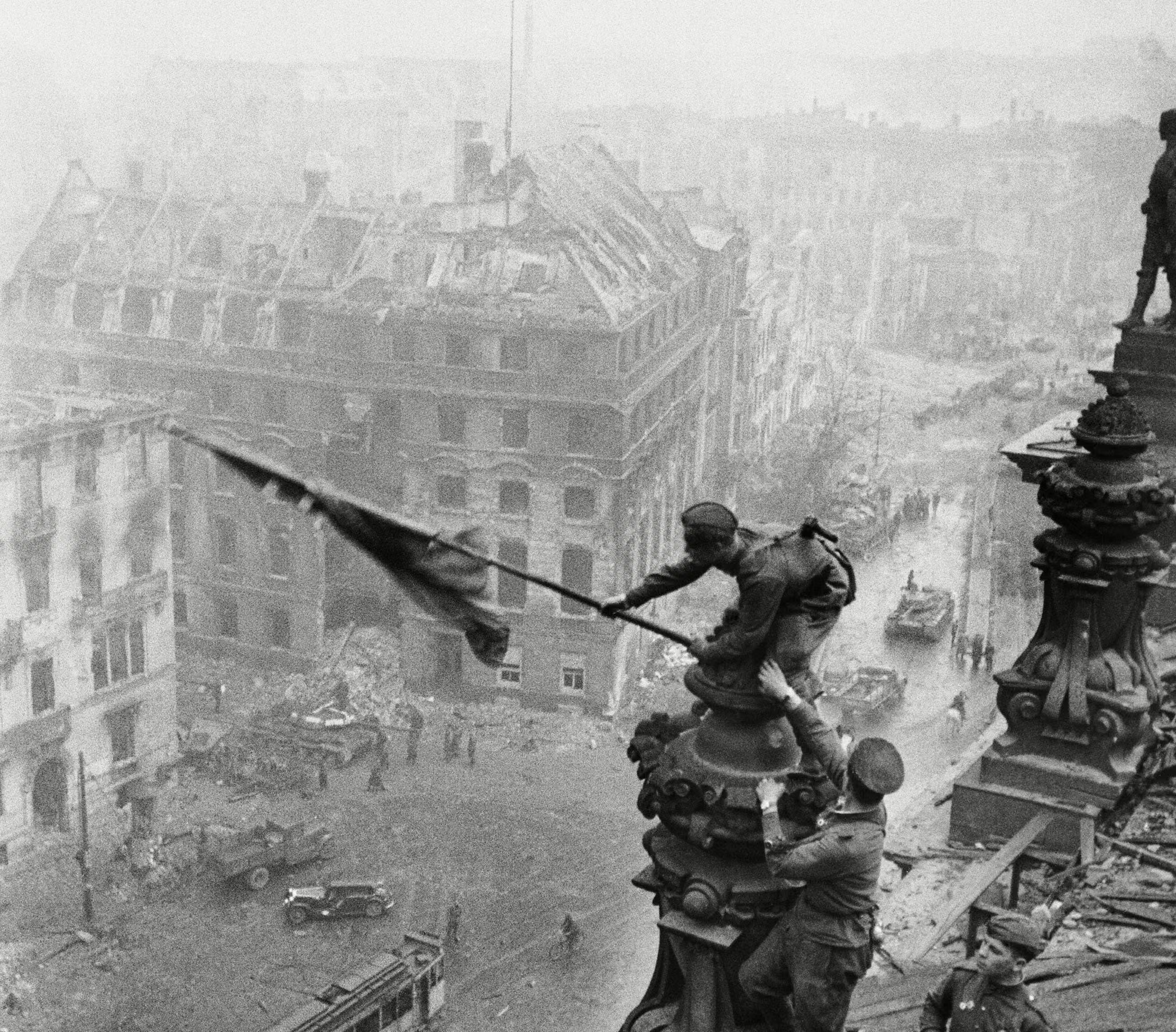
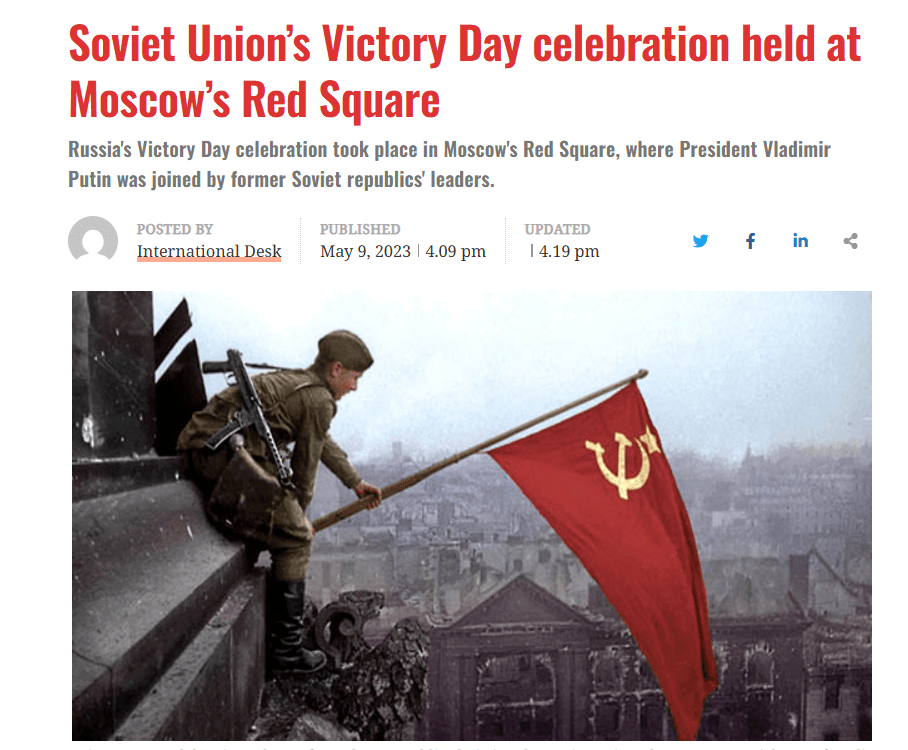
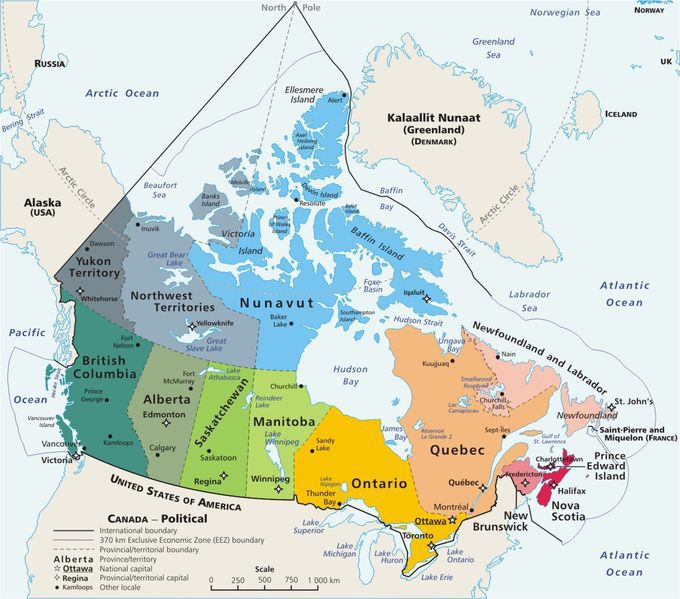


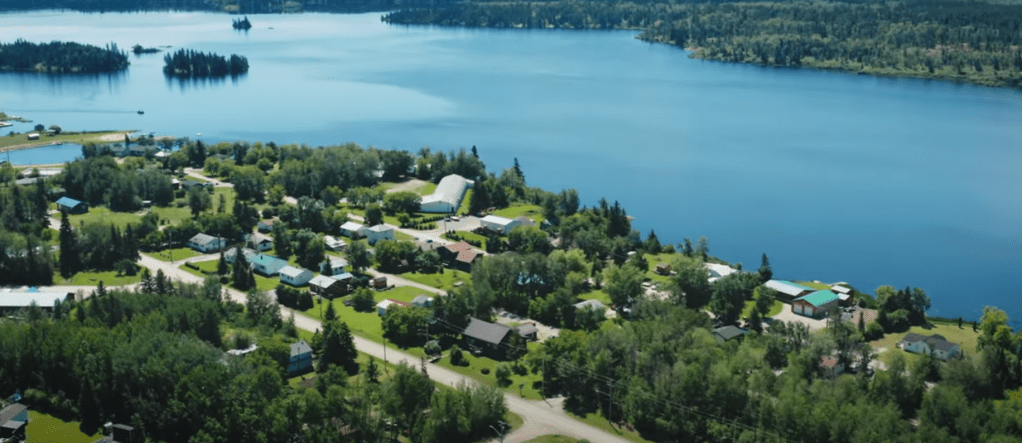
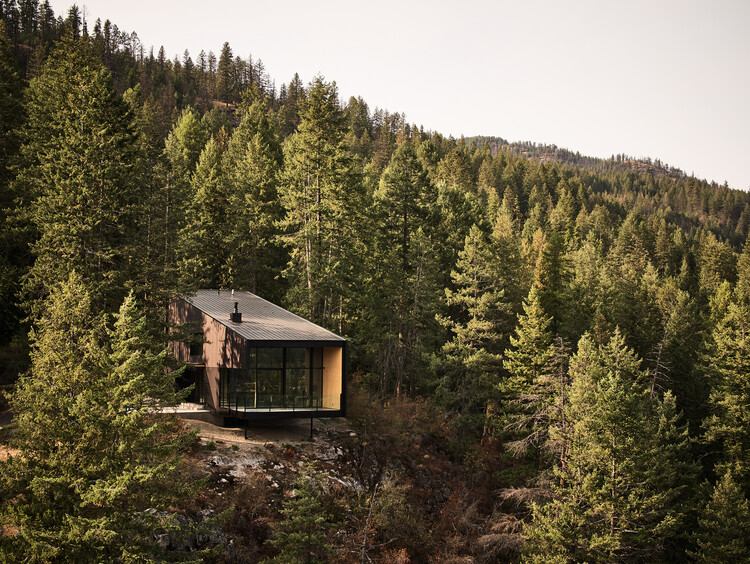
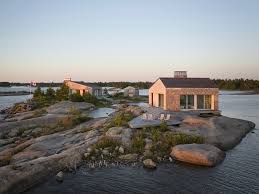
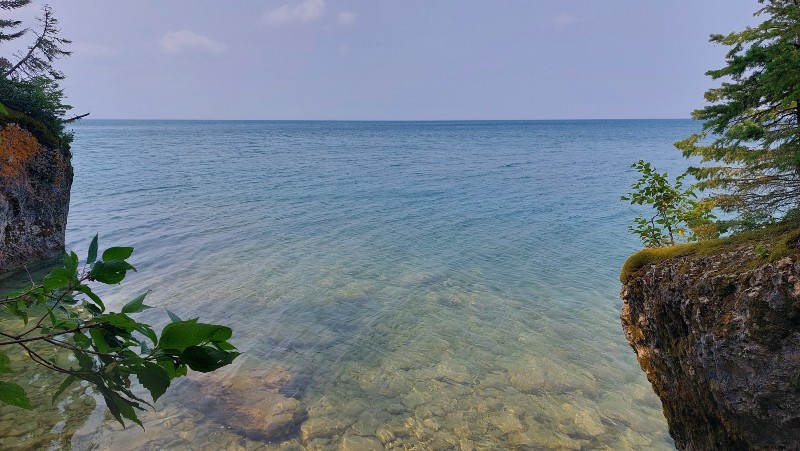
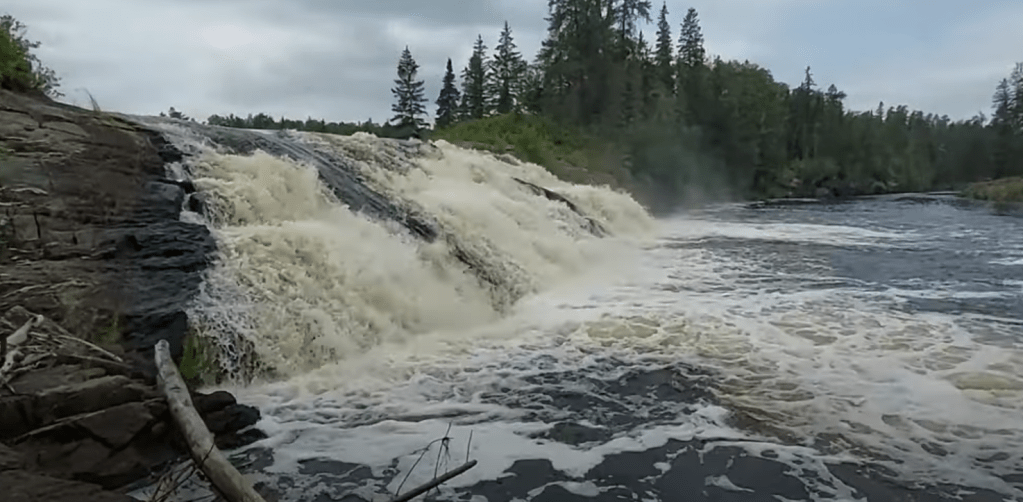
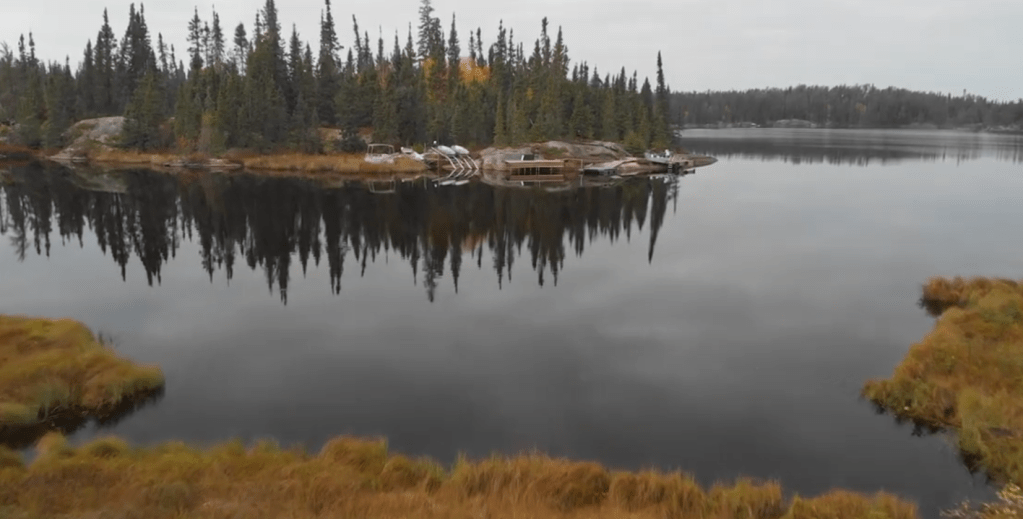
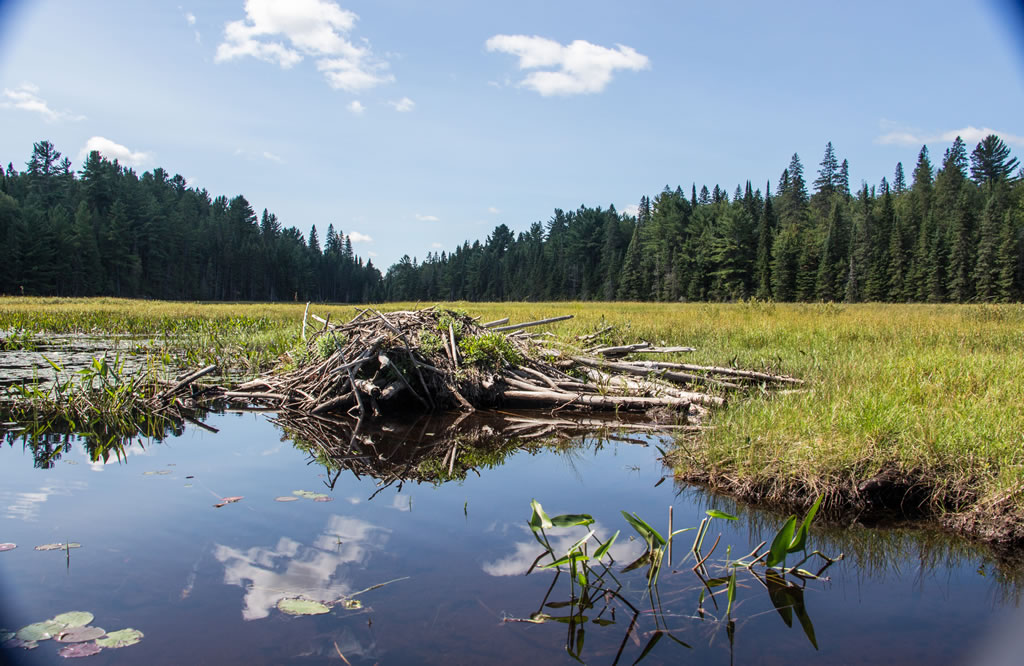
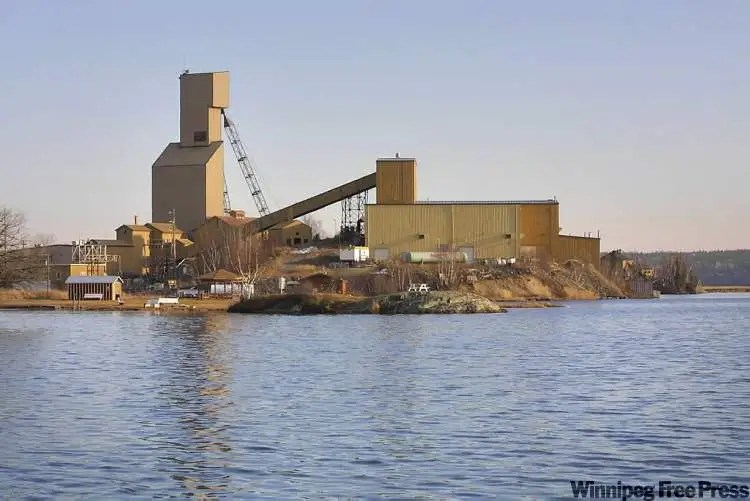
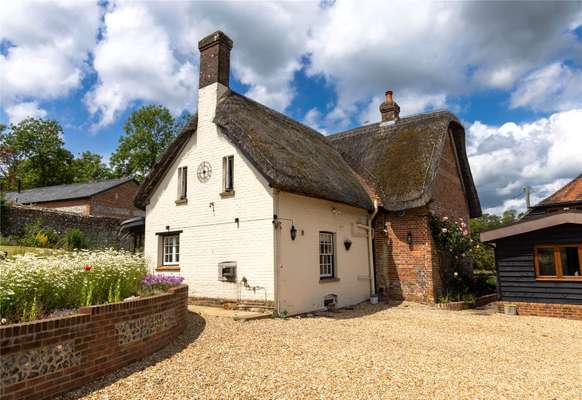
 BeyondTheMargins